

What is a Low-Pressure Continuous Pneumatic Conveying System Equipment? What are its Design Principl
Low-pressure continuous pneumatic conveying systems represent a sophisticated and efficient method for transporting bulk materials over moderate distances. These systems are widely utilized in various industrial sectors, including food processing, pharmaceuticals, chemicals, and minerals, due to their ability to handle a diverse range of materials while maintaining product integrity and operational flexibility. The core of such a system lies in its ability to transport materials using a controlled flow of air or gas, creating a continuous and stable conveying process.
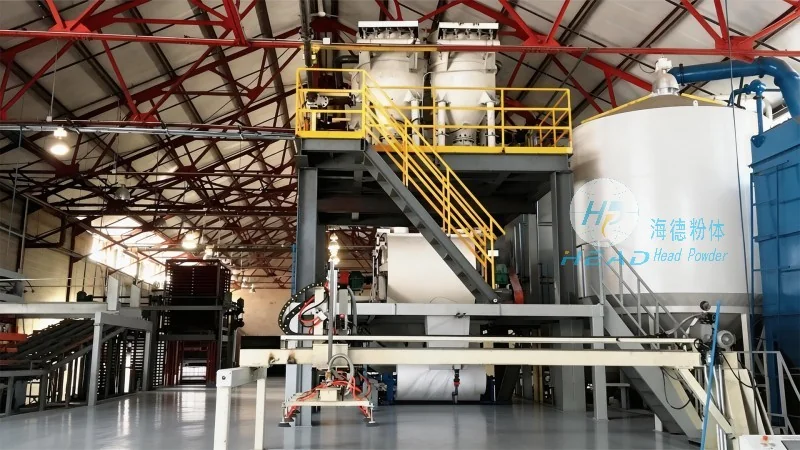
Understanding the Core Components of Low-Pressure Continuous Pneumatic Conveying Systems
A low-pressure continuous pneumatic conveying system typically consists of several key components that work in concert to achieve efficient material transport. The primary components include a hopper or feeder to supply the material, a conveyor line (often a pipeline) where the material is carried by the air stream, a pressure control system to regulate the air pressure, and a discharge point where the material is released. The system may also incorporate features such as cyclones for separation, filters to clean the air, and vacuum or pressure units to maintain the necessary air flow. Each component plays a critical role in ensuring the system operates smoothly and reliably.
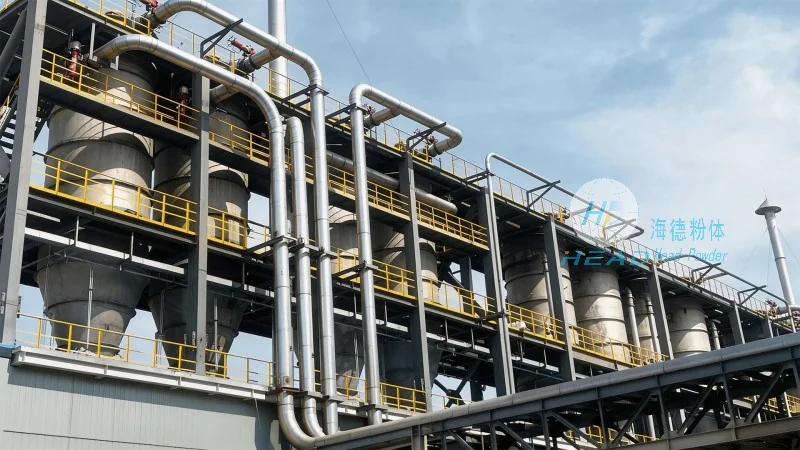
Design Principles Underpinning Low-Pressure Continuous Pneumatic Conveying Systems
The design principles of low-pressure continuous pneumatic conveying systems are centered on maintaining a stable and consistent flow of material within the conveying line. A key principle is the use of a low air velocity, typically ranging from 10 to 20 meters per second, which minimizes material degradation and reduces wear on the system components. The system is designed to operate under a slight negative pressure or low positive pressure, ensuring that the material is drawn or pushed through the pipeline without excessive energy consumption. Another critical design principle is the proper sizing of the pipeline and the air velocity to prevent blockages and ensure that the material particles are adequately suspended by the air stream. This involves careful consideration of the material's properties, such as particle size, density, and moisture content, as well as the system's operating conditions.
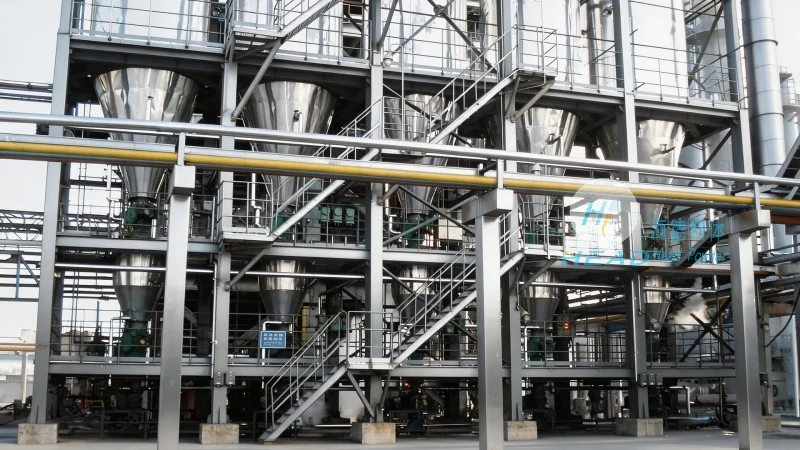
Operational Advantages of Low-Pressure Continuous Pneumatic Conveying Systems
Low-pressure continuous pneumatic conveying systems offer several operational advantages that make them a preferred choice for many industries. One of the main advantages is their ability to handle a wide variety of materials, including powders, granules, and even some liquids, without the need for additional processing steps. The system can also be designed to operate in a continuous mode, which enhances production efficiency and reduces downtime. Additionally, the enclosed nature of the system helps maintain product hygiene and prevents contamination, which is particularly important in industries like food and pharmaceuticals. The low operating pressure also contributes to energy efficiency, as less power is required to maintain the air flow compared to high-pressure systems. Furthermore, the system's flexibility allows for easy integration with existing production lines and can be scaled to accommodate varying production demands.
Key Considerations in the Design and Implementation of Low-Pressure Continuous Pneumatic Conveying Systems
When designing and implementing a low-pressure continuous pneumatic conveying system, several factors must be carefully considered to ensure optimal performance and longevity. First, the material characteristics must be thoroughly analyzed to determine the appropriate air velocity, pipeline diameter, and pressure requirements. For example, materials with high moisture content or sticky properties may require additional measures, such as pre-drying or the use of anti-stick coatings, to prevent blockages. The system's layout and the distance to be covered also play a crucial role in determining the necessary equipment and power requirements. Proper maintenance and regular inspections are essential to prevent system failures and ensure consistent performance. Additionally, the choice of materials for the pipeline and components must be compatible with the conveyed material to avoid corrosion or contamination. These considerations help ensure that the system operates efficiently and meets the specific needs of the application.
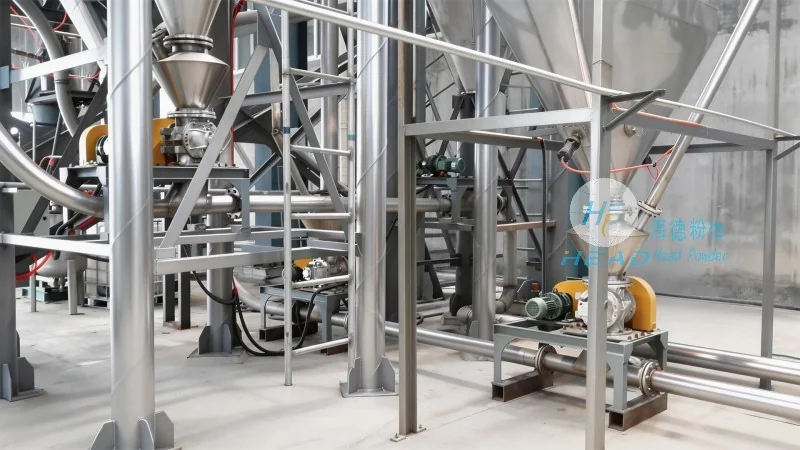
About HeadPowder: A Leading Provider of Pneumatic Conveying Solutions
HeadPowder, or Shandong HeadPowder Engineering Co., Ltd., is a reputable company based in Shandong, China, specializing in the design, manufacturing, and installation of pneumatic conveying systems. With years of experience in the industry, HeadPowder has developed a strong reputation for delivering high-quality, reliable, and efficient conveying solutions tailored to the unique needs of their clients. The company's expertise lies in understanding the diverse requirements of various industries and providing customized solutions that enhance operational efficiency and product quality. HeadPowder's commitment to quality and customer satisfaction has made them a trusted partner for many businesses seeking to improve their material handling processes. By leveraging advanced technology and a deep understanding of pneumatic conveying principles, HeadPowder continues to innovate and provide cutting-edge solutions that meet the evolving demands of the market.