

What is a Pigment Pneumatic Conveying System? What are its Design Principles?
For industrial applications involving the handling of pigments, a reliable and efficient system is essential. The pigment pneumatic conveying system is a specialized equipment designed to transport dry powder materials like pigments through an air stream. This technology offers numerous advantages over traditional methods such as belt conveyors or bucket elevators, particularly in terms of flexibility, cleanliness, and the ability to handle sensitive materials without degradation.
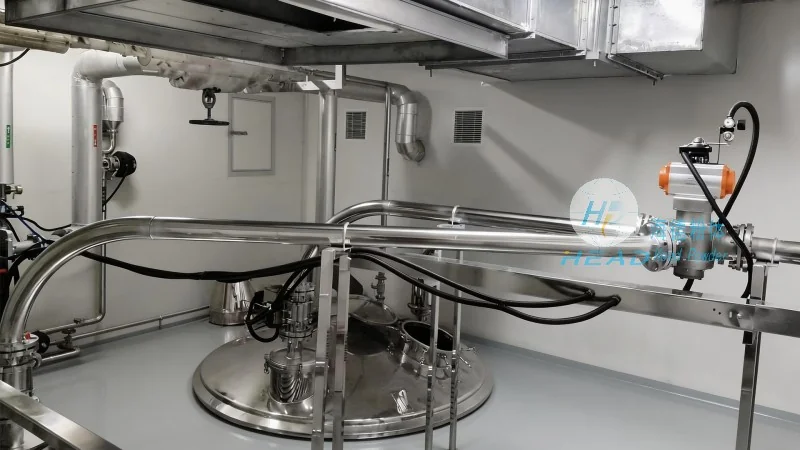
Pigment Pneumatic Conveying System Overview
A pigment pneumatic conveying system typically consists of several key components that work in tandem to achieve the efficient transport of pigments. The core elements include a material hopper or feeder, a conveying line (often equipped with bends and filters), a vacuum or pressure source (depending on the system type), and a collection tank or silo. The system operates by creating a flow of air that carries the pigment particles through the conveying line, ensuring that the material is moved from the source to the destination without the need for physical contact with the conveying equipment.
Design Principles of Pigment Pneumatic Conveying Systems
The design of a pigment pneumatic conveying system is based on several fundamental principles that ensure optimal performance and material integrity. The first principle is the selection of the appropriate conveying method, which can be either vacuum or pressure-based. Vacuum systems are commonly used for short-distance transport and for materials that are difficult to discharge from the source, while pressure systems are ideal for longer distances and for materials that require high pressure to maintain flow. The design also considers the particle size and density of the pigment, as these factors influence the air velocity required for effective transport. Additionally, the system's design incorporates features such as air filters and cyclone separators to prevent dust accumulation and to ensure that the pigment is delivered in a clean and dry state. The choice of materials for the conveying line and components is also critical, as pigments can be abrasive and may require corrosion-resistant materials to extend the system's lifespan.
Key Components and Their Functions
Each component of the pigment pneumatic conveying system plays a vital role in the overall operation. The material hopper or feeder is responsible for storing and feeding the pigment into the system, ensuring a consistent flow rate. The conveying line, which may include straight sections, bends, and vertical lifts, is designed to guide the air-pigment mixture to the destination. The air source, whether a vacuum pump or a positive displacement blower, generates the necessary air pressure or vacuum to move the material. The collection tank or silo receives the pigment at the end of the conveying line, allowing for easy storage and further processing. Air filters and cyclone separators are integrated into the system to capture any fine particles and to maintain the cleanliness of the air stream, preventing contamination and ensuring the longevity of the equipment.
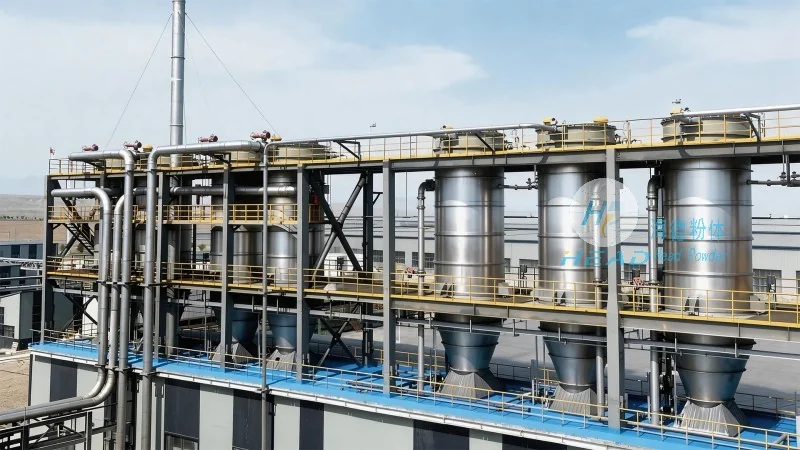
Advantages of Using a Pigment Pneumatic Conveying System
Implementing a pigment pneumatic conveying system offers several advantages over traditional material handling methods. One of the primary benefits is the ability to handle sensitive pigments without causing degradation or agglomeration. The air stream prevents the particles from coming into contact with each other or with the conveying equipment, which is particularly important for pigments that are prone to clumping or that require a specific particle size distribution. Another advantage is the reduced risk of contamination, as the system is enclosed and sealed, preventing the ingress of external particles or moisture. This is crucial for pigments used in high-quality applications such as paints, inks, and coatings, where purity is essential. Additionally, the system offers flexibility in terms of layout, as it can be easily integrated into existing production lines and can be reconfigured to accommodate changes in production volume or material types. The compact design of the system also saves space in the facility, making it suitable for both new installations and retrofitting into existing plants.
Application Examples in the Pigment Industry
Pigment pneumatic conveying systems are widely used in various applications within the pigment industry. For instance, in the production of paints and coatings, these systems are used to transport pigments from storage silos to mixing tanks or to the production line. In the manufacturing of inks, the system efficiently moves pigments from raw material storage to the ink mixing equipment, ensuring a consistent and high-quality product. The system is also utilized in the production of pigments for plastics, where the precise handling of fine particles is critical to achieve the desired color and texture in the final product. Furthermore, in the pharmaceutical and food industries, where the handling of pigments is required, the pneumatic conveying system provides a hygienic and contamination-free method of material transport, meeting the stringent regulatory requirements of these sectors.
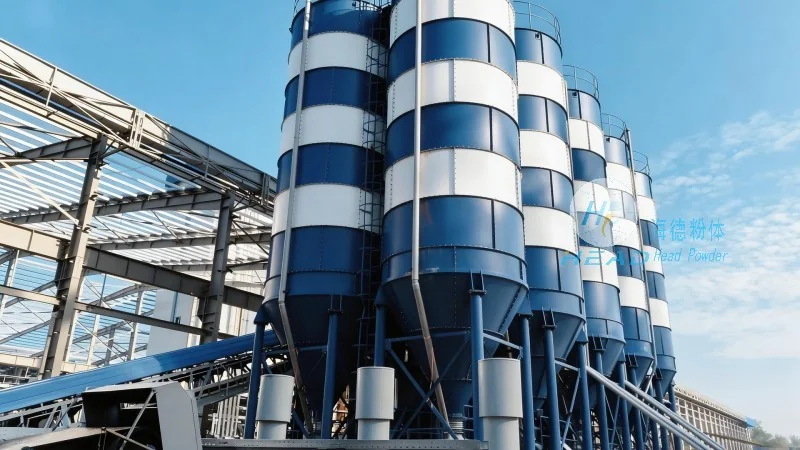
Customization and Scalability
Shandong HeadPowder Engineering Co., Ltd., a leading manufacturer of pneumatic conveying systems, offers customized solutions tailored to the specific needs of each client. The company's expertise lies in designing and manufacturing systems that meet the unique requirements of pigment handling, whether for small-scale production or large industrial applications. The systems can be scaled to accommodate varying production volumes, from small batches to continuous high-volume operations. Customization options include the selection of different conveying methods, the integration of additional components such as dust collectors or material classifiers, and the use of specialized materials for the conveying line to handle specific pigments or operating conditions. This flexibility ensures that clients receive a system that is optimized for their particular application, maximizing efficiency and minimizing downtime.
Installation and Maintenance Considerations
Proper installation and regular maintenance are essential to ensure the long-term performance and reliability of a pigment pneumatic conveying system. During installation, it is crucial to ensure that all components are properly aligned and that the conveying line is free from obstructions or leaks. The air source should be sized appropriately to meet the system's requirements, and the system should be tested to verify that it operates within the desired parameters. Regular maintenance involves checking the condition of air filters and cyclone separators, inspecting the conveying line for wear or damage, and cleaning the system to prevent the buildup of pigment residue. By following a regular maintenance schedule, clients can extend the lifespan of their equipment and ensure consistent performance, minimizing the risk of downtime and costly repairs.
Conclusion
In conclusion, a pigment pneumatic conveying system is a sophisticated and efficient solution for handling dry pigment materials in industrial applications. The system's design, based on fundamental principles of pneumatic transport, ensures that pigments are moved safely, cleanly, and without degradation. The advantages of this technology, including flexibility, contamination control, and material integrity, make it an ideal choice for a wide range of applications in the pigment industry. With the expertise of manufacturers like Shandong HeadPowder Engineering Co., Ltd., clients can obtain customized systems that are tailored to their specific needs, ensuring optimal performance and reliability. By investing in a well-designed pneumatic conveying system, companies can enhance their production processes, improve product quality, and maintain a competitive edge in the market.