

What is a Gypsum Pneumatic Conveying System Equipment? What are its Design Principles?
A gypsum pneumatic conveying system is a specialized industrial equipment designed to transport gypsum powder or related materials through a pipeline using air pressure. This technology is widely used in the construction, mining, and chemical industries due to its efficiency and ability to handle bulk materials over long distances without the need for mechanical components like belts or buckets. The system operates by creating a flow of air that propels the material through the pipeline, making it an ideal solution for applications where traditional conveying methods may be impractical or inefficient.
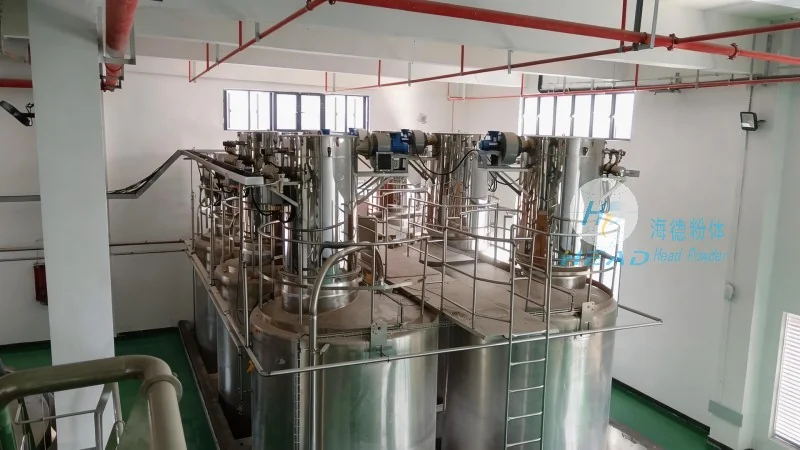
About HeadPowder: A Leading Manufacturer
HeadPowder, or Shandong HeadPowder Engineering Co., Ltd., is a reputable company based in Shandong, China, specializing in the design, manufacturing, and supply of pneumatic conveying systems. With years of experience in the industry, HeadPowder has established itself as a trusted provider of high-quality equipment tailored to meet the specific needs of clients in various sectors. The company's commitment to innovation and customer satisfaction has positioned it as a key player in the global market for material handling solutions.
Design Principles of Gypsum Pneumatic Conveying Systems
The design of a gypsum pneumatic conveying system involves several critical principles aimed at ensuring efficient and reliable operation. First, the system must be capable of handling the specific properties of gypsum, such as its particle size, moisture content, and flow characteristics. The design typically includes a hopper or feeder that feeds the material into the pipeline, followed by a series of components like a rotary valve, air compressor, and filter. The air compressor generates the necessary pressure to move the material, while the filter ensures that the air is clean and free from dust, which is essential for maintaining system performance and preventing equipment damage.
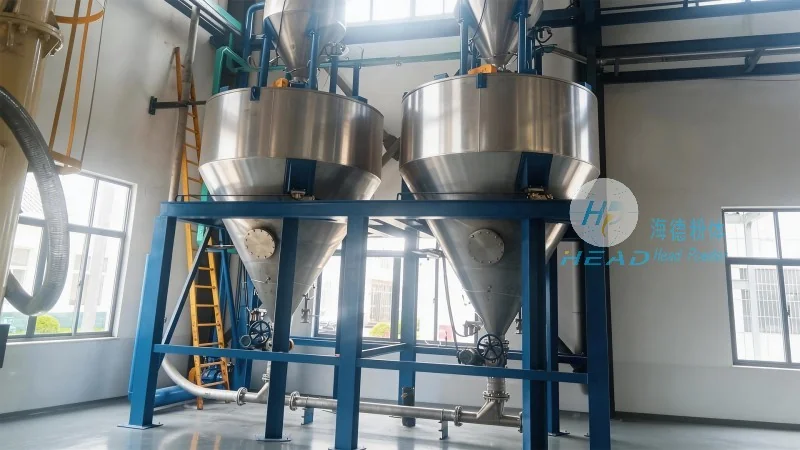
Key Components and Their Functions
Several key components make up a typical gypsum pneumatic conveying system. The hopper or storage silo is where the gypsum is stored before being fed into the system. The rotary valve, often called a feeder, regulates the flow of material into the pipeline, ensuring a consistent and controlled discharge. The air compressor is the heart of the system, providing the required air pressure to convey the material. The pipeline itself is usually made of materials like stainless steel or plastic, chosen for their durability and resistance to corrosion from gypsum. The filter or cyclone separator at the end of the system removes any fine particles from the air, allowing it to be recirculated or released safely. Additionally, the system may include a pressure regulator to maintain stable pressure and a control panel to monitor and adjust the operation.
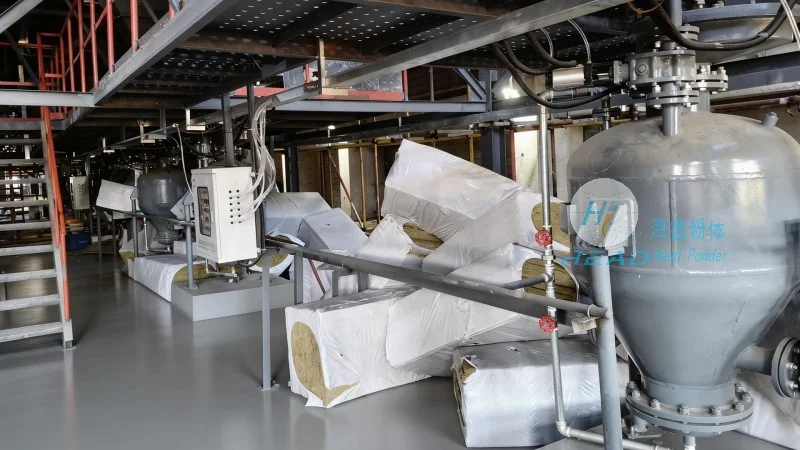
Advantages of Using Pneumatic Conveying for Gypsum
Compared to traditional conveying methods like belt conveyors or bucket elevators, pneumatic conveying offers several advantages when handling gypsum. One of the main benefits is the ability to transport materials over long distances without the need for multiple transfer points or intermediate storage. This reduces the overall footprint of the system and minimizes the risk of material spillage or contamination. Another advantage is the reduced maintenance requirements, as there are no moving parts in contact with the material, which can wear out over time. Pneumatic systems also allow for better control over the flow rate and pressure, enabling precise delivery of the material to the destination. Furthermore, the system can be easily integrated with other processes, such as mixing or packaging, making it a versatile solution for various industrial applications.
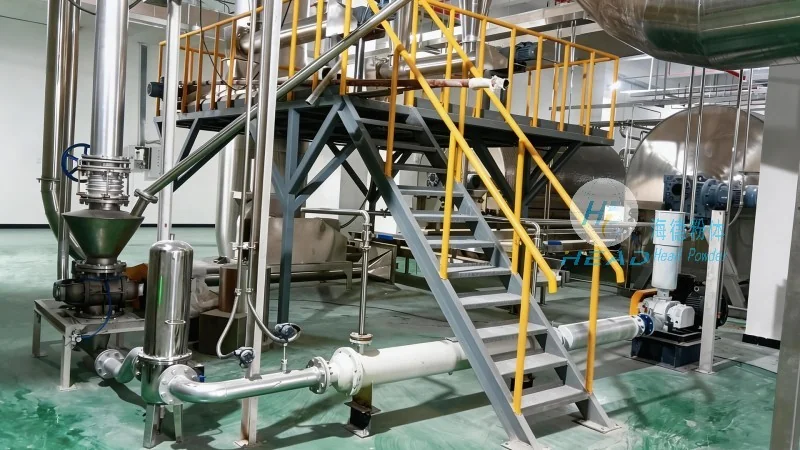
Applications in the Construction and Mining Industries
Gypsum pneumatic conveying systems are widely used in the construction industry for transporting gypsum board materials, which are essential components in building and interior finishing. The systems are also employed in mining operations to transport crushed gypsum from the mine to processing facilities or storage areas. In the chemical industry, they are used for handling gypsum byproducts from manufacturing processes, ensuring efficient and safe material handling. The versatility of the system makes it suitable for a wide range of applications, from small-scale operations to large industrial plants.
Conclusion and Company Commitment
Overall, a gypsum pneumatic conveying system is a highly effective and efficient solution for transporting bulk materials like gypsum. The design principles and components work together to ensure reliable operation, minimal maintenance, and high material throughput. HeadPowder, with its expertise and commitment to quality, provides comprehensive solutions tailored to the specific needs of clients. By leveraging advanced technology and industry knowledge, HeadPowder continues to deliver reliable and durable pneumatic conveying systems that meet the demands of modern industrial applications.