

What is a Lithium-Ion Battery Pneumatic Conveying System Equipment? What is its Design Principle?
Understanding the Lithium-Ion Battery Pneumatic Conveying System Equipment and Its Design Principles
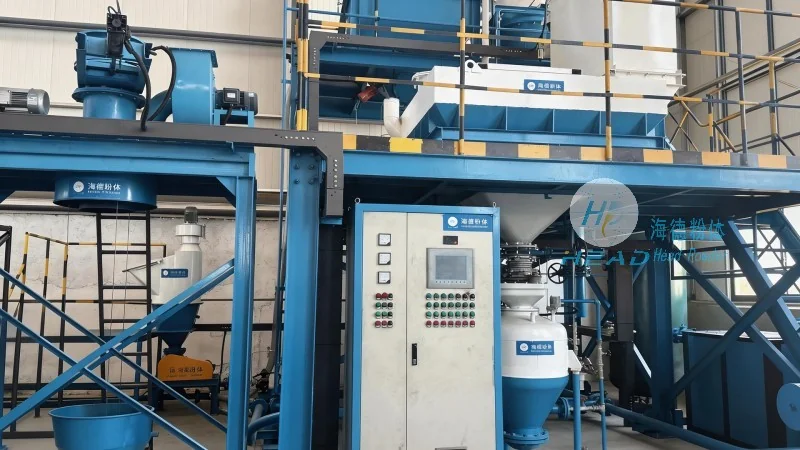
Introduction to Lithium-Ion Battery Pneumatic Conveying Systems
A lithium-ion battery pneumatic conveying system is a specialized industrial equipment designed to transport lithium-ion battery components, such as cells, modules, or packs, with precision and efficiency. This system utilizes pneumatic technology to move materials through a sealed pipeline using air pressure, ensuring a clean, dust-free, and controlled environment. The equipment is crucial in the manufacturing and processing stages of lithium-ion batteries, where handling delicate and potentially hazardous materials requires advanced and reliable solutions.
Key Components of the Pneumatic Conveying System
The lithium-ion battery pneumatic conveying system typically consists of several key components that work in tandem to achieve effective material transport. These components include the hopper or feed hopper, which holds the battery components; the conveying line, which is a sealed pipeline that transports the materials; the air compressor or blower, which provides the necessary air pressure; and the control system, which regulates the flow and pressure of the air. Additionally, the system may include filters, cyclones, or separators to ensure that the materials are handled without contamination and that the air is cleaned before being released back into the environment.
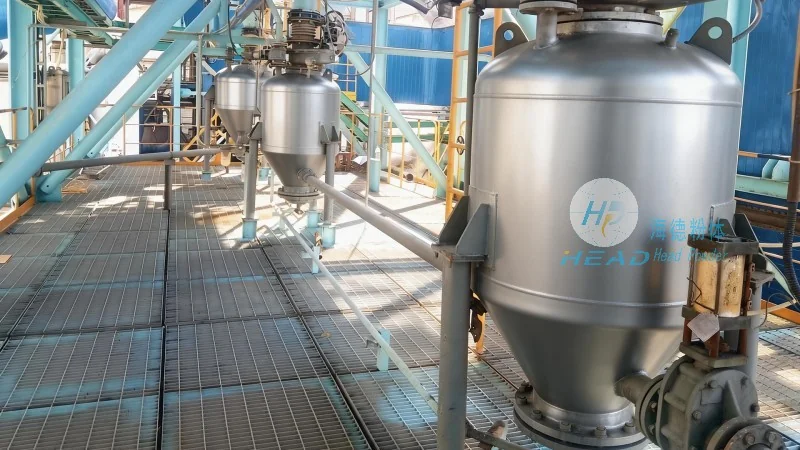
Design Principles Behind the System
The design of a lithium-ion battery pneumatic conveying system is based on several fundamental principles to ensure optimal performance and safety. One of the primary principles is the use of positive pressure or negative pressure to move materials. Positive pressure systems use an air compressor to push air and materials through the pipeline, while negative pressure systems use a vacuum to draw materials into the pipeline. The choice between these systems depends on the material being transported, the distance, and the required flow rate. Another key principle is the consideration of material properties, such as density, size, and moisture content, to select the appropriate conveying velocity and pressure. The system must also be designed to minimize particle breakage and ensure that the materials are not exposed to contaminants, which is critical for maintaining the quality and performance of lithium-ion batteries.
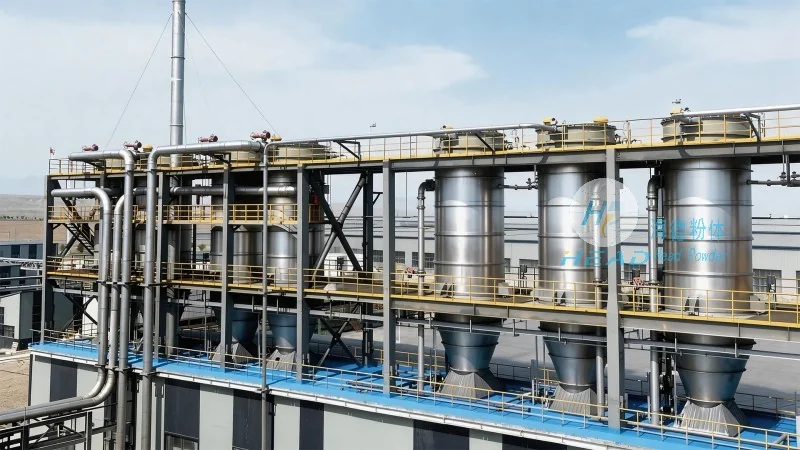
Applications in Lithium-Ion Battery Manufacturing
Lithium-ion battery pneumatic conveying systems are widely used in various stages of battery manufacturing. For example, in the cell assembly process, the system can transport individual battery cells from the cell formation and testing stages to the module assembly line. In the module assembly, it can move assembled modules to the pack assembly stage. The system is also used in the recycling process of lithium-ion batteries, where it can transport used battery cells or packs to the sorting and processing facilities. The versatility of the system allows it to handle different types of battery components and adapt to various production requirements, making it an essential tool in the lithium-ion battery industry.
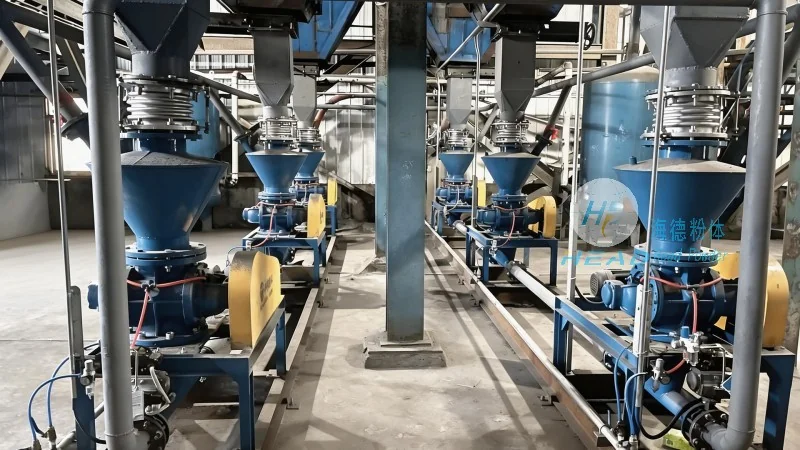
Advantages of Using a Pneumatic Conveying System for Lithium-Ion Batteries
There are several advantages to using a lithium-ion battery pneumatic conveying system compared to traditional methods like belt conveyors or manual handling. One of the main advantages is the ability to handle delicate and fragile materials without causing damage. The sealed pipeline and controlled air pressure prevent the materials from being exposed to external factors that could affect their performance. Another advantage is the reduced risk of contamination, as the system is enclosed and the air is filtered. This is particularly important for lithium-ion batteries, which are sensitive to moisture and dust. Additionally, the system can handle a wide range of material sizes and shapes, from small cells to large packs, and can transport materials over long distances with minimal maintenance. The use of pneumatic conveying also improves safety by eliminating the need for manual handling of heavy or hazardous materials.
Company Information: Shandong HeadPowder Engineering Co., Ltd.
Shandong HeadPowder Engineering Co., Ltd., a leading manufacturer of pneumatic conveying systems, specializes in providing customized solutions for lithium-ion battery manufacturers. The company is located in Shandong, China, and has a team of experienced engineers and technicians dedicated to developing high-quality and reliable equipment. HeadPowder offers a range of pneumatic conveying systems tailored to the specific needs of lithium-ion battery manufacturers, including positive pressure and negative pressure systems, as well as various conveying line configurations. The company's products are designed to meet the strictest industry standards and are backed by a comprehensive warranty and after-sales service. With years of experience in the industry, HeadPowder is committed to providing innovative and efficient solutions to help lithium-ion battery manufacturers improve their production processes and enhance their product quality.