

What is a Barley Powder Conveying Machine? What Are Its Design Principles?
Barley powder conveying machines are specialized equipment designed to handle and transport barley powder efficiently. These machines play a crucial role in various industrial processes, particularly in the food and agricultural sectors where barley is a key ingredient. Understanding the functionality and design principles of such equipment is essential for optimizing production workflows and ensuring consistent quality in handling barley-based products.
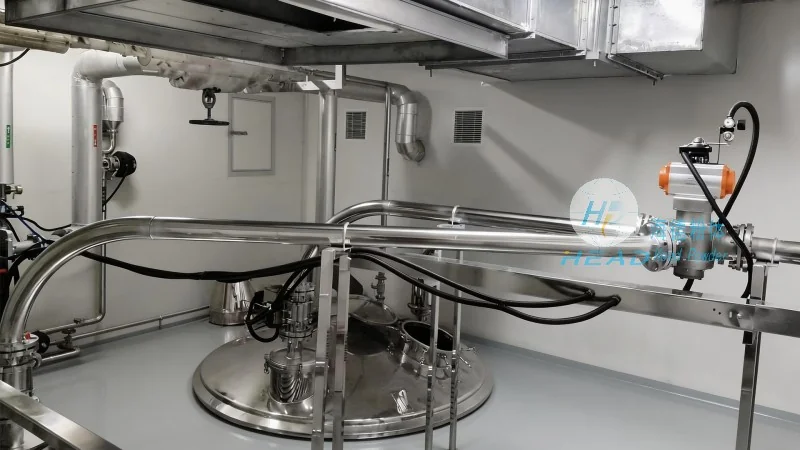
About HeadPowder: Your Expert in Powder Handling Solutions
HeadPowder, a leading manufacturer based in Shandong, China, specializes in the design, development, and production of advanced powder conveying systems. With a strong commitment to innovation and quality, HeadPowder has established itself as a trusted partner for businesses requiring reliable and efficient solutions for handling bulk powders like barley. The company’s headquarters is located in Shandong, China, where it leverages local expertise and resources to deliver cutting-edge equipment tailored to meet diverse industrial needs.
Design Principles of Barley Powder Conveying Machines
The design of a barley powder conveying machine involves several critical principles aimed at ensuring optimal performance, safety, and efficiency. One of the primary considerations is the material compatibility, as the machine must be constructed from materials that are resistant to the chemical properties of barley powder and prevent contamination. Stainless steel is commonly used for the internal components due to its durability and hygienic properties, which are vital in food processing applications.
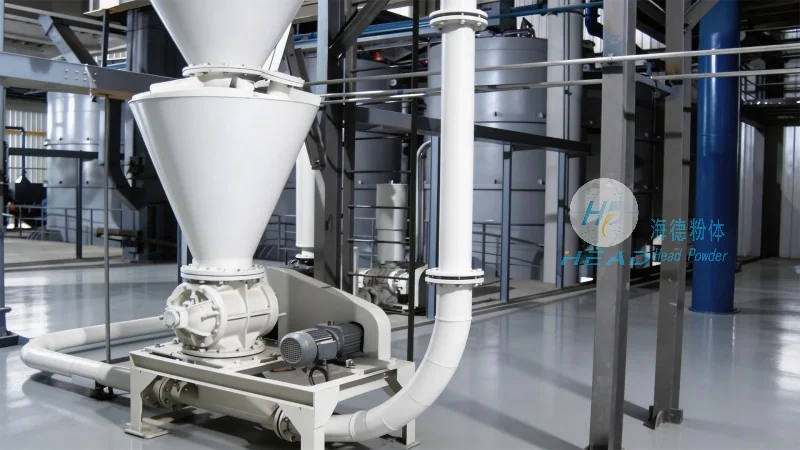
Another key design principle is the system’s ability to handle the unique flow characteristics of barley powder. Barley powder can exhibit cohesive or bridging behavior, which may cause blockages or uneven flow. To address this, conveying machines incorporate features such as agitators, vibrators, or air-assisted mechanisms to maintain consistent material movement. The design also focuses on minimizing dust generation and ensuring proper filtration to maintain air quality and prevent product contamination.
Efficiency and energy consumption are also central to the design. Modern barley powder conveying machines are engineered to operate with minimal energy input while maximizing throughput. This is achieved through optimized motor selection, variable speed drives, and efficient conveying pathways that reduce friction and resistance. Additionally, the design may include features like automatic shut-off valves or level sensors to prevent overfilling and ensure safe operation.
Key Features and Components
Barley powder conveying machines typically consist of several key components that work in tandem to achieve effective material transport. The hopper is the primary inlet where barley powder is loaded, and it is designed with a sloped surface to facilitate smooth material flow into the conveying system. The hopper may also include a discharge valve or gate to control the rate of material release.
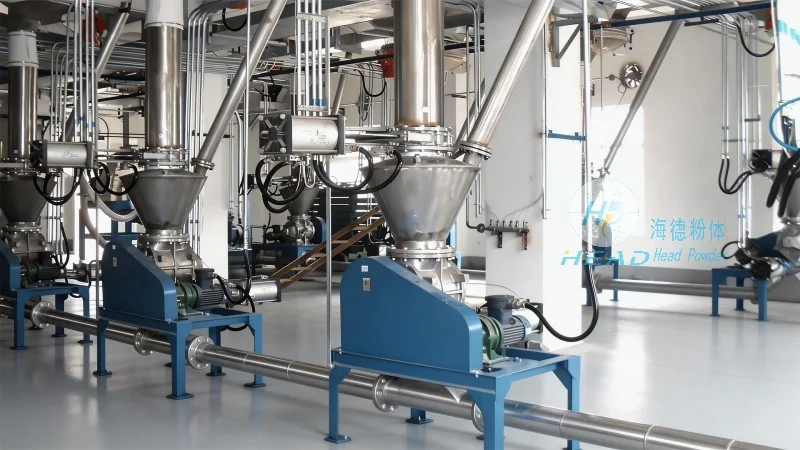
The conveying mechanism, which can be pneumatic or mechanical, is responsible for moving the powder from the hopper to the discharge point. Pneumatic systems use compressed air to create a flow of powder through a pipeline, while mechanical systems employ screws, belts, or augers to physically push the material forward. The choice between these systems depends on factors such as the powder’s characteristics, required throughput, and operational environment.
For pneumatic conveying, the system includes a blower or compressor to generate the necessary air pressure, a filter to remove dust from the exhaust air, and a receiver tank to collect the discharged powder. Mechanical conveying systems may incorporate components like drive motors, reduction gears, and conveyor belts or screws to ensure consistent movement. In both cases, the design emphasizes durability and ease of maintenance to minimize downtime and operational costs.
Applications and Benefits
Barley powder conveying machines find applications in various industries, including food processing, pharmaceuticals, and agriculture. In the food industry, they are used to transport barley flour, malt, or other barley-based products during production, packaging, and storage. The machines help maintain product integrity by preventing contamination and ensuring consistent flow rates, which is critical for maintaining product quality and meeting regulatory standards.
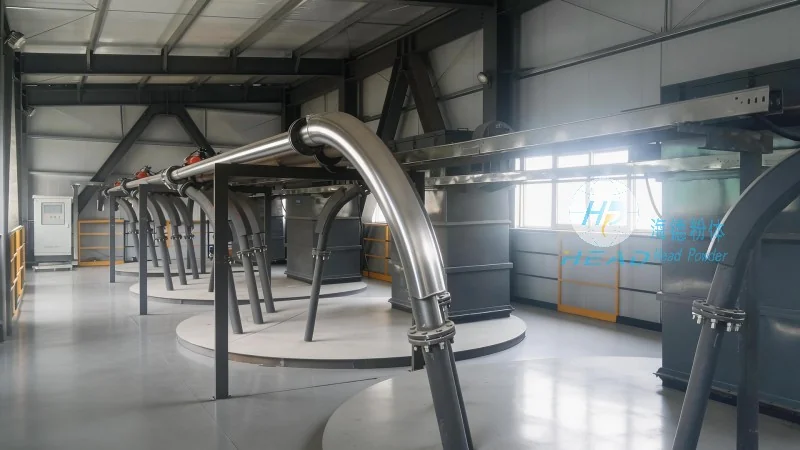
In pharmaceutical applications, the conveying machines are used to handle barley-derived powders used in the formulation of supplements or medications. The hygienic design and material compatibility of these systems ensure that the powder remains free from contaminants, which is essential for meeting stringent quality control requirements in the pharmaceutical sector.
For agricultural operations, barley powder conveying machines assist in the processing of barley grains into flour or other byproducts. The efficient transport of powder reduces labor costs and improves overall productivity, allowing farmers and processors to scale their operations effectively. The machines also contribute to better inventory management by enabling smooth material flow between storage and processing facilities.