

What is a Monosodium Glutamate Powder Conveying Machine? And What Are Its Design Principles?
For industries dealing with monosodium glutamate (MSG) powder, efficient and reliable conveying systems are crucial for maintaining production efficiency and product quality. A monosodium glutamate powder conveying machine is a specialized piece of equipment designed to transport MSG powder from one location to another within a production facility. This article will explore what such a machine is and delve into its fundamental design principles, providing insights into how these systems operate and their importance in the MSG processing industry.
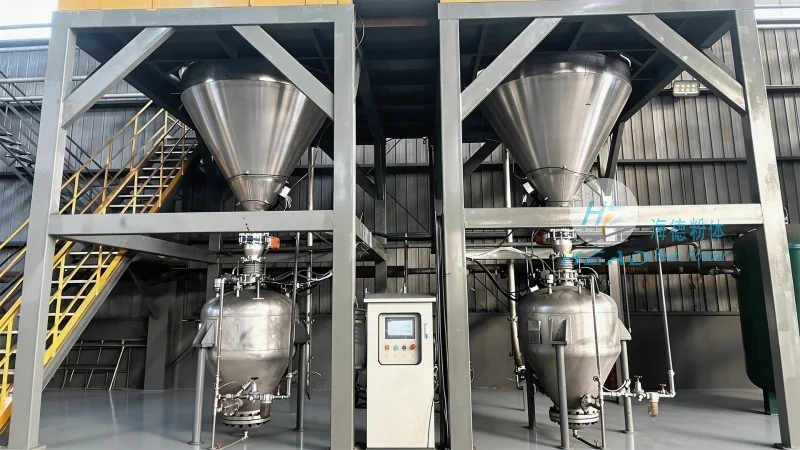
Understanding the Monosodium Glutamate Powder Conveying Machine
A monosodium glutamate powder conveying machine is specifically engineered to handle the unique characteristics of MSG powder. MSG is a fine, hygroscopic powder that requires careful handling to prevent caking, bridging, or other flow-related issues. The conveying machine is designed to address these challenges by ensuring smooth, consistent transport of the powder. These systems are typically used in various stages of MSG production, such as from storage silos to processing equipment, or between different processing units within a facility. The primary goal is to maintain the integrity of the MSG powder while minimizing material loss and ensuring a continuous flow of product.
Key Design Principles of the Conveying Machine
The design of a monosodium glutamate powder conveying machine is based on several critical principles to ensure optimal performance. One of the most important is the use of appropriate material handling components that are resistant to corrosion and wear, as MSG powder can be abrasive and may contain moisture that could lead to material degradation over time. The machine often incorporates features like airtight seals and dust collection systems to prevent contamination and maintain a clean environment. Additionally, the design considers the flow characteristics of the powder, using components like feeders, hoppers, and conveyor belts or pipes that are tailored to the specific particle size and density of MSG. This ensures that the powder moves smoothly without causing blockages or uneven flow.
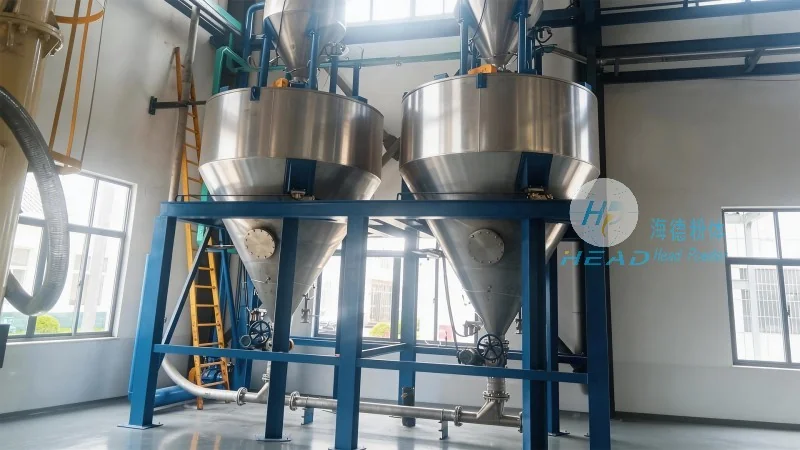
Components and Functionality
Monosodium glutamate powder conveying machines typically consist of several key components that work together to achieve efficient transport. The system usually starts with a hopper or silo that stores the MSG powder. From there, a feeder mechanism, such as a rotary valve or a screw feeder, regulates the flow of powder into the conveying line. The conveying mechanism itself can vary, with options including pneumatic conveying systems (using air to move the powder) or mechanical systems like belt conveyors or screw conveyors. The choice of system depends on factors like the distance to be covered, the volume of powder to be transported, and the specific requirements of the production process. For MSG powder, pneumatic conveying is often preferred due to its ability to handle fine powders without causing excessive friction or particle breakage. The system may also include a dust filter and collection system to ensure that any airborne particles are captured and returned to the process or disposed of safely.
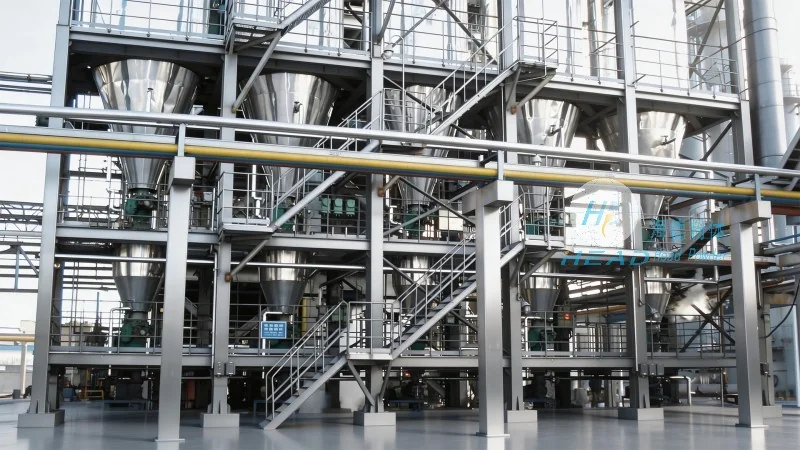
Importance in MSG Processing
The effectiveness of a monosodium glutamate powder conveying machine directly impacts the overall efficiency and quality of MSG production. By ensuring that the powder is transported consistently and without contamination, these machines help maintain product purity and prevent issues like caking or agglomeration, which can affect the final product's quality and marketability. Additionally, efficient conveying reduces downtime and labor costs associated with manual handling, leading to improved operational productivity. In the context of Shandong HeadPowder Engineering Co., Ltd., a company based in China, such conveying machines are designed and manufactured to meet the specific needs of the MSG industry, combining advanced engineering with practical application to deliver reliable performance.
Conclusion
In summary, a monosodium glutamate powder conveying machine is a vital piece of equipment in the MSG processing industry, designed to handle the unique properties of MSG powder with efficiency and precision. Its design principles focus on material compatibility, flow control, and contamination prevention, ensuring that the powder is transported safely and effectively. For businesses in the MSG sector, investing in a well-designed conveying machine is essential for maintaining production standards and achieving long-term success. Shandong HeadPowder Engineering Co., Ltd., with its expertise in engineering and manufacturing, provides solutions tailored to the specific requirements of the industry, helping companies optimize their production processes and enhance overall operational efficiency.