

What is a High-Calcium Powder Conveying System Equipment? And What Are Its Design Principles?
High-calcium powder conveying systems are critical in various industrial sectors, particularly in food processing, chemical manufacturing, and pharmaceutical production. These systems are engineered to efficiently and safely transport high-calcium powders, which often present unique challenges due to their density, moisture content, and potential for agglomeration. Understanding the equipment and its design principles is essential for optimizing production processes and ensuring operational reliability.
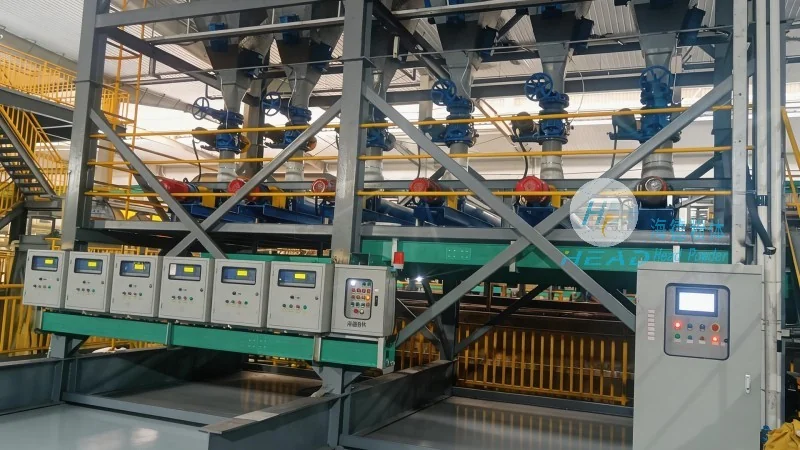
Introduction to High-Calcium Powder Conveying Systems
High-calcium powders, such as calcium carbonate or calcium phosphate, are widely used as nutritional supplements, filler materials, and additives in industrial applications. The efficient handling of these powders requires specialized equipment that can manage their physical properties effectively. Conveying systems for high-calcium powders must address issues like dust generation, material flow control, and equipment wear, as these factors directly impact production efficiency and product quality.
Overview of HeadPowder's High-Calcium Powder Conveying System Equipment
Shandong HeadPowder Engineering Co., Ltd., commonly known as HeadPowder, is a leading manufacturer of advanced powder handling solutions. Based in Shandong, China, the company specializes in designing and manufacturing high-performance conveying systems tailored to the needs of high-calcium powder applications. HeadPowder's equipment is known for its durability, precision, and adaptability, making it a preferred choice for industries requiring reliable and efficient powder transport solutions.
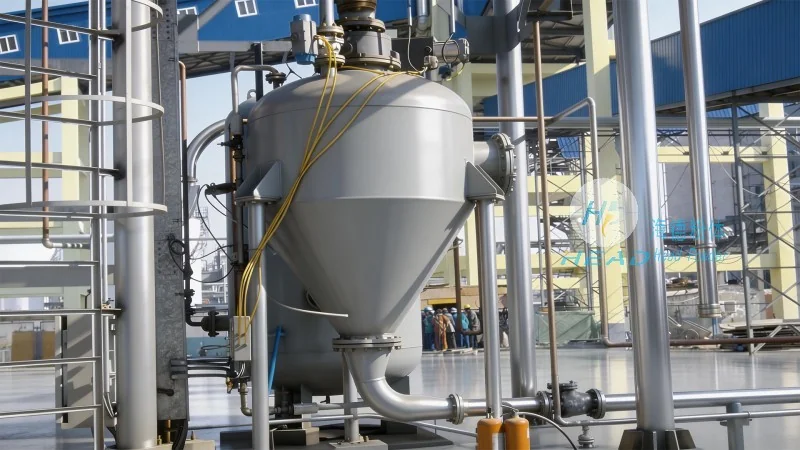
Core Design Principles of the High-Calcium Powder Conveying System
The design of a high-calcium powder conveying system is based on several key principles that ensure optimal performance and longevity. First, thorough analysis of the material's physical characteristics is crucial. This includes assessing the powder's particle size distribution, moisture content, and flowability, as these factors influence the choice of conveying method and equipment components. For high-calcium powders, which may be prone to caking or bridging, the system design incorporates features to prevent blockages and maintain consistent flow.
Second, the system must maintain appropriate pressure and air flow to ensure smooth material transport. This involves selecting the right type of conveyor, such as pneumatic or mechanical systems, and optimizing the air velocity and pressure levels. For high-calcium powders, pneumatic conveying systems are often preferred due to their ability to handle fine powders and minimize material degradation. The design also emphasizes robust sealing and dust control measures to comply with industrial safety standards and environmental regulations.
Key Components and Their Functions
A high-calcium powder conveying system typically consists of several interconnected components, each playing a vital role in the overall operation. The primary components include the feed hopper, which stores and regulates the powder supply; the conveying line, which transports the material from the hopper to the discharge point; the drive unit, which provides the necessary power to move the powder; and the control system, which monitors and adjusts the operation parameters. The feed hopper is designed with a sloped bottom and a discharge valve to prevent material buildup and ensure uniform feeding. The conveying line may use flexible hoses or rigid pipes, depending on the system's layout and material characteristics. The drive unit, often a motor or blower, generates the air or mechanical force required for transport. The control system, equipped with sensors and feedback mechanisms, adjusts the flow rate and pressure to maintain stable operation.
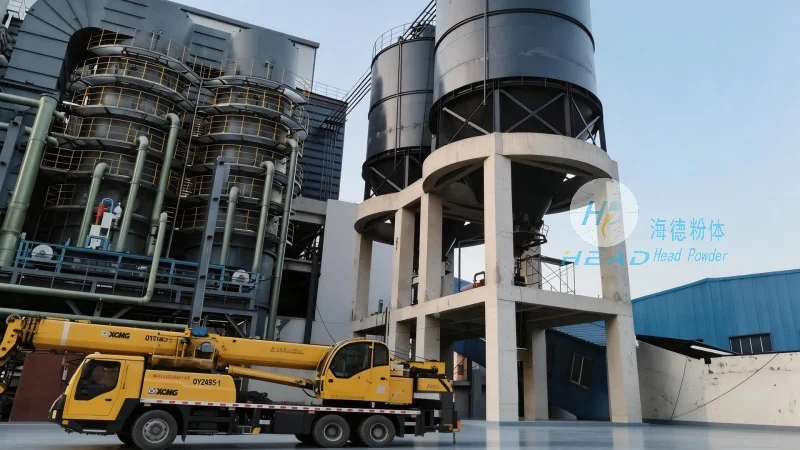
Advantages of the High-Calcium Powder Conveying System
HeadPowder's high-calcium powder conveying systems offer several advantages that enhance industrial productivity and operational efficiency. One key benefit is the system's ability to handle high-calcium powders with minimal wear and tear on equipment components. The design incorporates wear-resistant materials, such as stainless steel or special alloys, in critical areas like the hopper and conveyor line to extend the equipment's lifespan. Additionally, the system's energy efficiency is optimized through advanced control technologies, reducing operational costs and environmental impact. The precise control over material flow ensures consistent product quality, which is crucial in industries where uniformity is essential, such as food and pharmaceutical manufacturing.
Application Scenarios and Industrial Impact
High-calcium powder conveying systems are widely used in various industrial applications. In the food industry, these systems are employed to transport calcium supplements and additives into food processing lines, ensuring accurate dosing and consistent product quality. In chemical manufacturing, they facilitate the handling of calcium-based chemicals in production processes, supporting efficient batch processing and material transfer. The systems also play a role in pharmaceutical production, where high-calcium powders are used as active ingredients or excipients. By improving the efficiency of powder handling, these systems contribute to increased production throughput, reduced downtime, and lower maintenance costs, ultimately enhancing the overall competitiveness of industrial operations.