

What is a Dry Lime Powder Conveying System Equipment? What Are Its Design Principles?
Shandong HeadPowder Engineering Co., Ltd., commonly known as headpowder, is a professional manufacturer dedicated to the research, development, and production of dry powder conveying systems. With a focus on providing efficient and reliable solutions for the transportation of dry lime and other similar powders, the company has established itself as a key player in the industry. This article aims to explore the concept of a dry lime powder conveying system equipment and delve into its underlying design principles, offering insights into how such systems operate and the benefits they bring to various industrial applications.
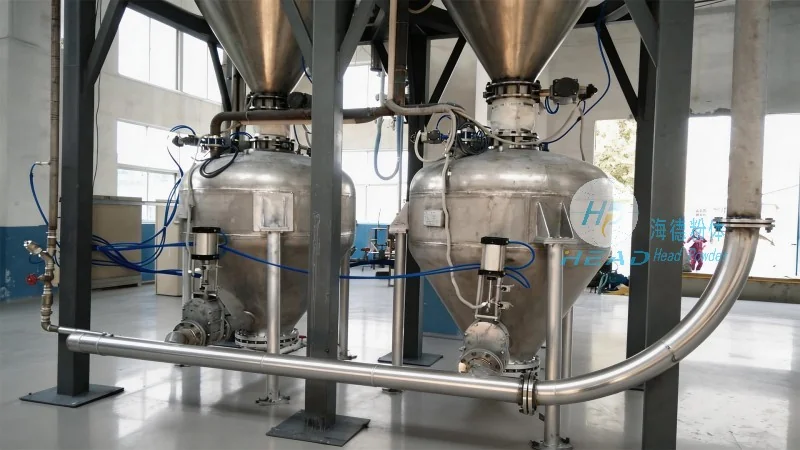
Understanding the Dry Lime Powder Conveying System Equipment
A dry lime powder conveying system equipment is a specialized device designed to transport dry lime or other fine powders from a source to a destination. Unlike traditional methods like bucket elevators or belt conveyors, which may struggle with dust generation and material degradation, these systems utilize advanced air-based or mechanical technologies to ensure safe, efficient, and low-dust transportation. The primary goal of such equipment is to handle dry lime in a manner that minimizes environmental impact while maximizing operational efficiency.
Key Components and Their Functions
The design of a dry lime powder conveying system typically involves several critical components, each playing a vital role in the overall operation. The main components include:
- Feed Hopper: A container that stores the dry lime and feeds it into the system at a controlled rate. This component helps regulate the flow of material to prevent overloading or underflow.
- Feeder: A device that ensures a consistent and uniform feed of dry lime into the conveying line. Common types include screw feeders or rotary valves, which maintain a steady flow even under varying pressure conditions.
- Conveying Pipe: The main channel through which the dry lime is transported. These pipes are often made of materials resistant to corrosion and abrasion, such as stainless steel or special plastic composites, to withstand the wear from the powder and the effects of moisture.
- Air Source System: This includes a blower or compressor that generates the necessary air pressure to move the dry lime particles through the pipe. The air flow rate and pressure are carefully controlled to achieve optimal conveying performance.
- Control Unit: An electronic or mechanical system that monitors and adjusts the operation of the conveying process. It may include sensors to detect pressure, flow rate, and material level, ensuring the system operates within safe and efficient parameters.
- Discharge Hopper: The final component where the dry lime is deposited after being conveyed. This hopper is designed to handle the material gently and can be integrated with downstream processes, such as storage or processing equipment.
The Design Principles Behind the System
The design principles of a dry lime powder conveying system are centered on achieving efficient, reliable, and environmentally friendly material transport. The core principle is the utilization of air to move the dry lime particles, a method known as pneumatic conveying. This approach allows for the reduction of dust emissions compared to traditional mechanical conveyors, which often generate significant airborne particles.
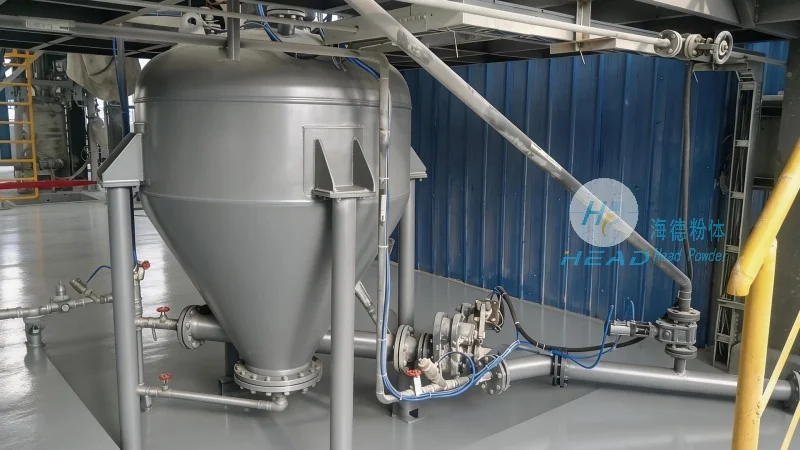
One of the key design considerations is the balance between air velocity and particle size. The air velocity must be sufficient to lift and transport the dry lime particles without causing excessive wear on the conveying pipes or excessive energy consumption. Engineers use fluid dynamics and particle physics to calculate the optimal air velocity and pressure for a given material, ensuring that the system operates efficiently and economically.
Another critical principle is the prevention of material degradation. Dry lime is often sensitive to moisture and can clump or degrade if exposed to air or moisture during transportation. The design of the conveying system, including the use of sealed pipes and controlled humidity levels, helps maintain the quality of the dry lime throughout the process. Additionally, the system is designed to minimize friction and impact, which can cause the powder to break down or become contaminated.
Energy efficiency is also a major design consideration. The system is engineered to use the least amount of energy possible while still achieving the required conveying capacity. This is achieved through optimized air flow rates, efficient blower designs, and the use of high-efficiency motors. By reducing energy consumption, the system not only lowers operational costs but also contributes to a more sustainable industrial operation.
Benefits and Applications
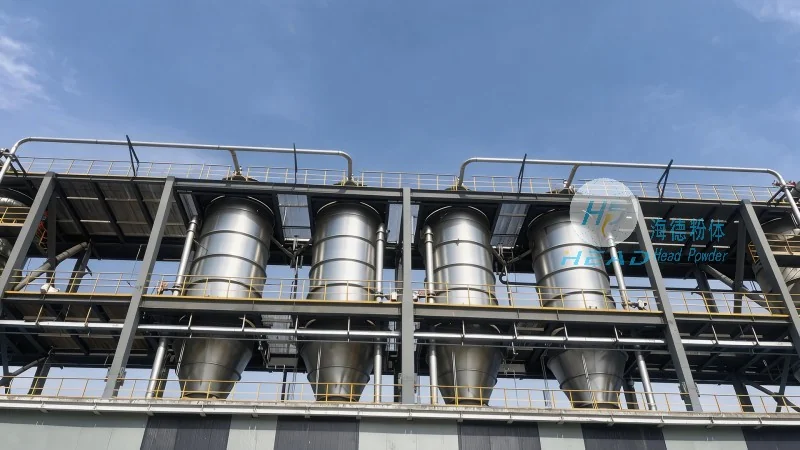
The implementation of a dry lime powder conveying system equipment offers numerous benefits to industrial processes. These systems enhance productivity by providing a continuous and reliable flow of dry lime, reducing downtime associated with material handling. They also improve safety by minimizing dust exposure, which is a significant health hazard in many industrial settings. Furthermore, the systems contribute to environmental sustainability by reducing emissions and improving the overall cleanliness of the workplace.
These conveying systems are widely used in various industries, including construction, agriculture, and chemical processing. In the construction industry, dry lime is often used as a raw material in cement production or as a component in mortar and plaster. The conveying system ensures that the dry lime is delivered to the production line efficiently and without contamination. In agriculture, dry lime is used for soil conditioning and pH adjustment, and the system helps in the precise application of the material. In chemical processing, dry lime is used in various reactions, and the system ensures that the material is delivered to the reactors in a controlled manner.
Conclusion
Shandong HeadPowder Engineering Co., Ltd. specializes in the design and manufacturing of dry lime powder conveying system equipment, leveraging advanced engineering principles to create efficient, reliable, and environmentally friendly solutions. By understanding the key components and design principles behind such systems, industries can benefit from improved productivity, enhanced safety, and reduced operational costs. As the demand for sustainable and efficient material handling solutions grows, the role of dry lime powder conveying systems becomes increasingly important in various industrial applications.