

What is an Organic Salt Powder Conveying System Equipment? What are its Design Principles?
Organic salt powder conveying systems are specialized equipment designed to handle and transport organic salt powders efficiently and safely. These systems are crucial in various industrial applications where the reliable movement of such materials is essential. Understanding the components and design principles behind these systems is vital for optimizing performance and ensuring operational safety.
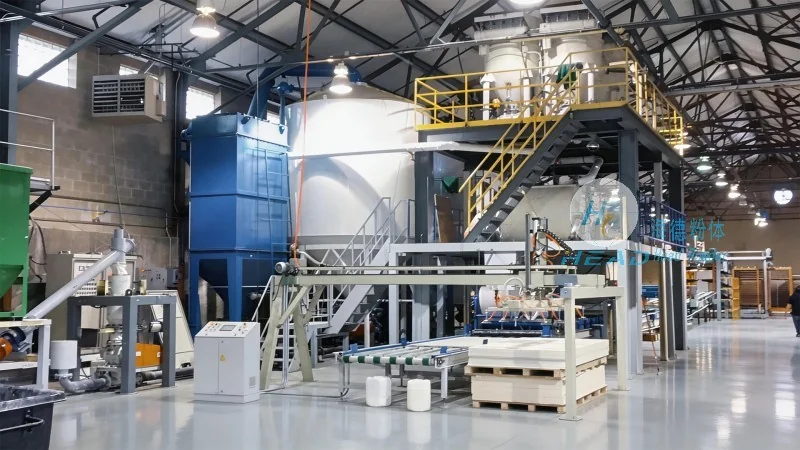
Overview of Organic Salt Powder Conveying Systems
An organic salt powder conveying system typically consists of several key components that work in tandem to facilitate the transport of organic salt powders. These components may include hoppers for material storage, feeders to control the flow rate, conveying mechanisms such as screw conveyors, pneumatic conveyors, or bucket elevators, and control systems to regulate the entire process. The design of each component is tailored to the specific characteristics of the organic salt powder, including its particle size, moisture content, and flowability.
Key Design Principles for Organic Salt Powder Conveying Systems
The design of an organic salt powder conveying system is guided by several fundamental principles aimed at ensuring efficient operation, minimizing material degradation, and maintaining system reliability. One of the primary principles is the prevention of material bridging and agglomeration, which can occur due to the cohesive nature of organic salt powders. To address this, systems often incorporate features like agitators, vibrators, or air knives to keep the material in a fluidized state. Another critical principle is the minimization of friction and wear, as organic salt powders can be abrasive and may cause wear on system components over time. This is achieved through the use of corrosion-resistant materials and smooth, well-lubricated parts.
Components and Their Functions in the System
Each component of an organic salt powder conveying system plays a specific role in the overall operation. The hopper serves as the primary storage vessel, providing a large capacity to accommodate bulk quantities of organic salt powder. It is designed with a sloped bottom to facilitate material flow and prevent stagnation. The feeder, often a rotary valve or a screw feeder, controls the rate at which material is discharged from the hopper. This control is essential for maintaining consistent flow rates and preventing overloading of the conveying mechanism. The conveying mechanism, such as a screw conveyor, uses rotating screws to push the powder forward. The pitch and speed of the screws are carefully selected to match the flow characteristics of the organic salt powder, ensuring smooth and continuous transport. For systems requiring longer distances or vertical transport, pneumatic conveyors or bucket elevators may be employed. These systems use air or mechanical buckets to lift and move the powder, offering flexibility in system layout.
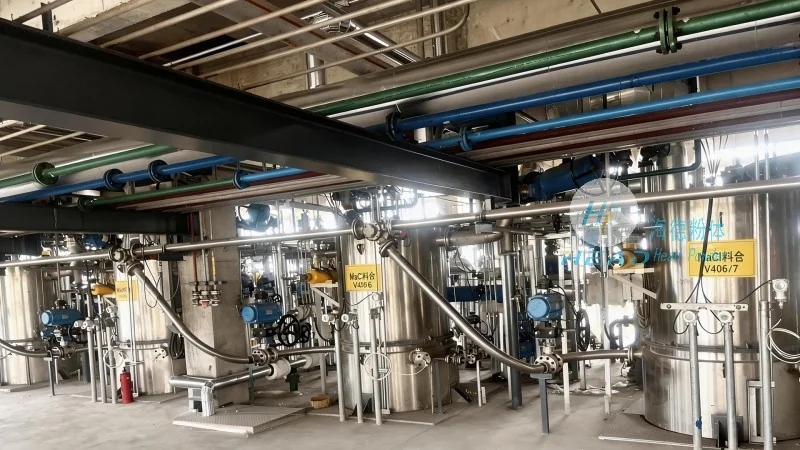
Material Handling Considerations and Safety Features
Handling organic salt powders requires special considerations to ensure both material integrity and operator safety. The system design incorporates features to prevent dust generation and explosions, which are common hazards with powders. This includes the use of explosion-proof motors and proper grounding of electrical components. Additionally, the system may include dust collection systems to capture any airborne particles, protecting the environment and maintaining air quality. The design also focuses on minimizing the risk of material contamination, as organic salt powders are often used in applications where purity is critical. This is achieved through the use of sealed components and cleanable parts, ensuring that the material remains free from external contaminants throughout the conveying process.
Applications and Industry Use Cases
Organic salt powder conveying systems are widely used in various industries, including chemical manufacturing, food processing, and pharmaceuticals. In the chemical industry, these systems are used to transport organic salts used in the production of fertilizers, pharmaceuticals, and other chemical products. In food processing, they are employed to handle organic salt powders used as flavor enhancers or preservatives. The pharmaceutical industry relies on these systems to transport organic salts used in drug formulations, where maintaining purity and consistency is paramount. Each application requires a customized system design to meet specific process requirements, such as flow rates, particle size distribution, and environmental regulations.
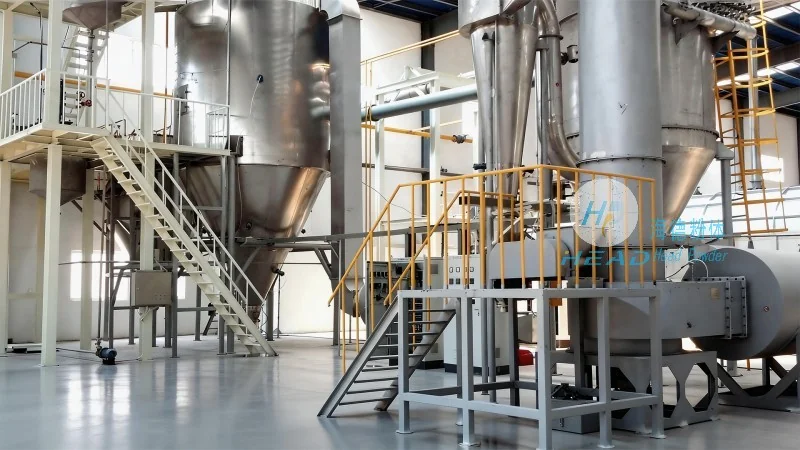
Advantages of Using Organic Salt Powder Conveying Systems
Implementing an organic salt powder conveying system offers several advantages over traditional manual handling methods. The primary benefit is the significant improvement in operational efficiency, as the system can handle large volumes of material with minimal human intervention. This leads to increased production throughput and reduced labor costs. Another advantage is the enhanced safety provided by the automated system, which minimizes the risk of dust explosions and material exposure to operators. The system also ensures consistent material quality by maintaining uniform flow rates and preventing material degradation. Furthermore, the design flexibility allows for integration with other process equipment, such as mixers and reactors, creating a seamless production line. This integration reduces downtime and improves overall process control.
Maintenance and Operational Guidelines
Proper maintenance is essential to ensure the long-term performance and reliability of an organic salt powder conveying system. Regular inspections of components such as hoppers, feeders, and conveying mechanisms are necessary to detect and address any signs of wear or damage. Cleaning procedures should be followed to remove accumulated material and prevent clogging, especially in systems handling organic salt powders that may adhere to surfaces. The control system should be checked regularly to ensure it is functioning correctly and that flow rates are being monitored accurately. Additionally, the system should be operated within the specified parameters, such as temperature and pressure limits, to prevent damage to components. Following these guidelines helps to maximize the system's lifespan and maintain optimal performance.
Conclusion
Organic salt powder conveying systems are sophisticated pieces of equipment designed to efficiently and safely transport organic salt powders in industrial settings. The design principles and components of these systems are carefully selected to address the unique challenges posed by organic salt powders, including their flowability, abrasiveness, and potential for dust generation. By understanding the key aspects of these systems, industries can optimize their material handling processes, improve operational efficiency, and ensure safety. The implementation of such systems, as provided by companies like Shandong HeadPowder Engineering Co., Ltd., offers significant benefits in terms of productivity and material quality, making them a valuable investment for any industrial operation.