

What is Cement Powder Material Handling? What are the Design Principles?
Cement powder material handling is a critical process in industrial operations, particularly in the construction and manufacturing sectors. It involves the efficient movement, storage, and distribution of cement powder from its production point to various end-use locations. This process is essential for ensuring consistent quality, minimizing material loss, and optimizing operational efficiency. The design of cement powder handling systems requires careful consideration of several key factors, including material properties, system layout, and environmental conditions.
Key Design Principles for Cement Powder Handling Systems
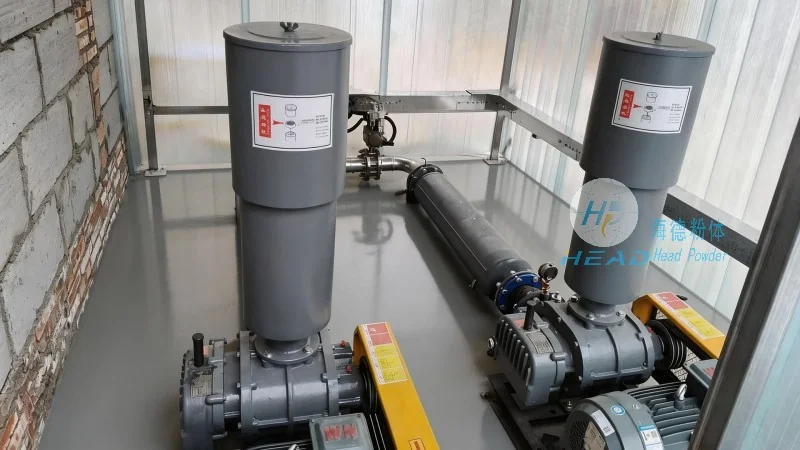
The design of cement powder handling systems is governed by several fundamental principles aimed at ensuring safety, reliability, and efficiency. One of the primary principles is the prevention of material segregation and degradation. Cement powder is a fine, cohesive material that can easily agglomerate or segregate if not handled properly. Therefore, systems are designed to maintain a uniform flow and prevent the separation of different particle sizes or moisture levels. This is achieved through the use of appropriate equipment such as screw conveyors, pneumatic conveyors, and storage silos with proper aeration and mixing mechanisms.
Another critical design principle is the minimization of dust generation and control. Cement powder is highly abrasive and can cause significant dust pollution if not contained properly. Designers incorporate dust collection systems, sealed containers, and proper ventilation to ensure that dust levels are kept within acceptable limits. This not only protects the environment but also enhances worker safety and equipment longevity.
Efficiency and cost-effectiveness are also paramount in cement powder handling system design. The system must be able to handle the required throughput while minimizing energy consumption and maintenance costs. This involves selecting the right type of conveyor system, optimizing the layout to reduce material handling distances, and using durable materials that can withstand the abrasive nature of cement powder. Additionally, the design should allow for easy maintenance and cleaning to prevent blockages and ensure consistent performance over time.
Components of a Typical Cement Powder Handling System
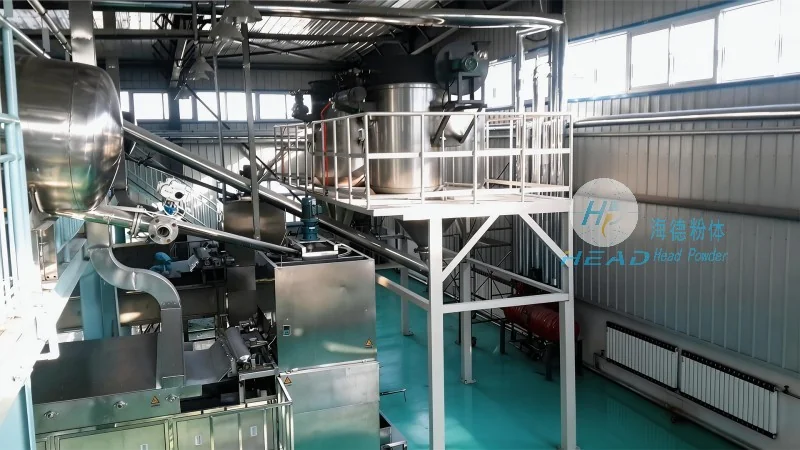
A typical cement powder handling system consists of several interconnected components that work together to achieve the desired material flow. The primary components include raw material storage silos, feeders, conveyors, and discharge equipment. The storage silos are designed to hold large quantities of cement powder and are equipped with aeration systems to prevent caking and maintain material flowability. Feeders, such as rotary valves or vibratory feeders, regulate the flow of cement from the silos to the conveyors. The conveyors, which can be either pneumatic or mechanical, transport the cement powder from the storage area to the processing or packaging units.
The design of each component must be tailored to the specific characteristics of cement powder. For example, pneumatic conveyors are often preferred for long-distance transport due to their ability to handle fine powders without the need for mechanical parts that can wear out quickly. Mechanical conveyors, such as screw or belt conveyors, are suitable for shorter distances and higher capacities. The discharge equipment, such as bagging machines or bulk loading systems, ensures that the cement is delivered to the end user in the required form.
The Role of HeadPowder in Cement Powder Handling Solutions
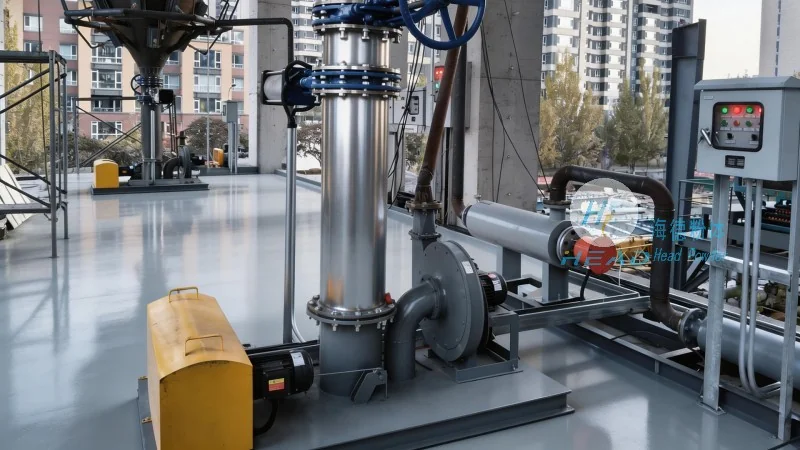
Shandong HeadPowder Engineering Co., Ltd. specializes in the design, manufacturing, and installation of cement powder handling systems. With years of experience in the industry, HeadPowder has developed a comprehensive range of solutions tailored to the unique needs of cement manufacturers and users. The company's expertise lies in understanding the complex behavior of cement powder and translating that knowledge into effective system designs.
HeadPowder's team of engineers uses advanced design software and methodologies to create customized solutions that meet the specific requirements of each client. The company's approach involves a thorough analysis of the client's operational needs, including production capacity, material characteristics, and environmental regulations. This ensures that the final system is not only efficient but also compliant with all relevant standards and regulations.
HeadPowder's products and services include a wide range of equipment such as storage silos, conveyors, feeders, and dust control systems. The company's equipment is known for its durability, reliability, and ease of maintenance. HeadPowder also provides comprehensive after-sales support, including installation, commissioning, and maintenance services, to ensure that clients can maximize the performance and lifespan of their cement powder handling systems.