

What is Resin Pellet Material Handling? What Are the Design Principles?
Resin pellet material handling is a critical process in various industrial applications, particularly in the manufacturing and processing of plastic materials. It involves the efficient transportation of resin pellets from storage to processing equipment, such as extruders or injection molding machines. The design of a resin pellet handling system is crucial for ensuring smooth operations, minimizing downtime, and maintaining product quality. This article explores the fundamental aspects of resin pellet material handling and the key design principles that govern its implementation.
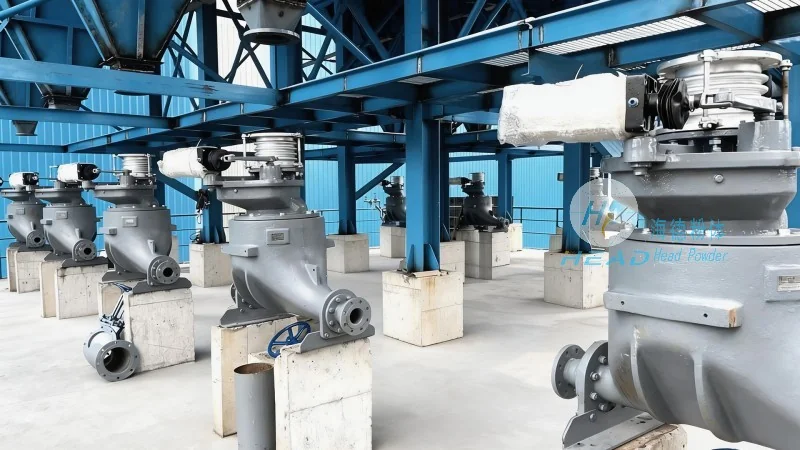
HeadPowder, a leading provider of material handling solutions, specializes in designing and manufacturing systems tailored to the unique needs of resin processing industries. With headquarters in Shandong, China, HeadPowder leverages decades of experience to deliver reliable and efficient solutions for resin pellet handling. Their expertise lies in understanding the specific challenges faced by manufacturers, from bulk storage to precise feeding systems.
Key Components of Resin Pellet Handling Systems
A typical resin pellet handling system comprises several essential components that work in tandem to ensure seamless material flow. The primary components include bulk storage silos or hoppers, conveying equipment (such as screw conveyors or pneumatic systems), feeding mechanisms, and control systems. Each component plays a vital role in the overall efficiency of the process.
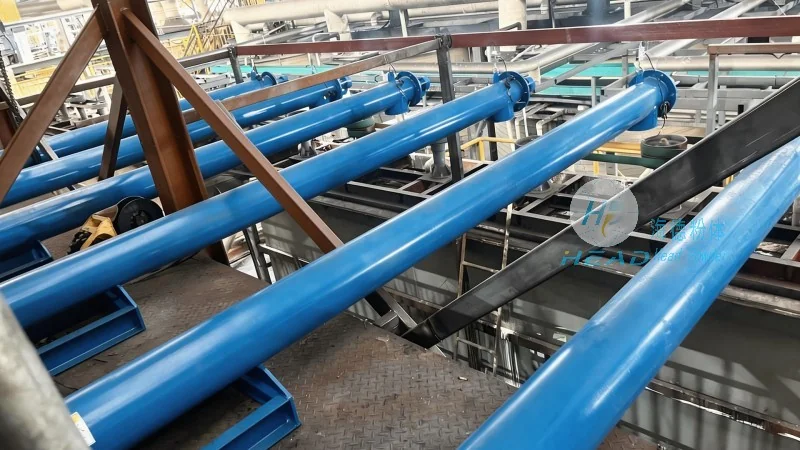
Bulk storage silos are used to store large quantities of resin pellets, providing a stable and controlled environment that prevents moisture absorption and contamination. These silos are often equipped with level sensors to monitor the material level and trigger replenishment when necessary. The design of the silo, including its shape and material, is critical to prevent material bridging or caking, which can disrupt the flow.
Conveying equipment is responsible for moving the resin pellets from the storage area to the processing equipment. Screw conveyors are commonly used due to their ability to handle a wide range of materials and their low maintenance requirements. They are particularly effective for horizontal or slight incline applications. Pneumatic conveying systems, on the other hand, use air pressure to transport pellets, which is ideal for long-distance or vertical transport. The choice of conveying method depends on factors such as the material's properties, the distance to be covered, and the required flow rate.
Feeding mechanisms are designed to deliver the resin pellets to the processing equipment at a controlled rate. These can include gravimetric feeders, volumetric feeders, or rotary valves. Gravimetric feeders provide precise weight measurement, ensuring consistent material delivery, which is crucial for maintaining product quality. Volumetric feeders, while simpler and less expensive, deliver a fixed volume per unit time and are suitable for applications where high precision is not critical. Rotary valves are used to control the flow rate by regulating the opening and closing of the valve, providing a reliable and adjustable feeding system.

Control systems are essential for monitoring and regulating the entire handling process. They include sensors for level, temperature, and flow rate, as well as control panels that allow operators to adjust parameters in real-time. Modern control systems often incorporate automation features, such as PLC (Programmable Logic Controller) technology, to optimize the operation and reduce human intervention. This not only improves efficiency but also enhances safety by minimizing the risk of accidents.
Design Principles for Resin Pellet Handling
The design of a resin pellet handling system must adhere to several key principles to ensure optimal performance and longevity. These principles are based on the physical properties of resin pellets and the operational requirements of the processing plant.