

What is Plastic Pellet Material Handling? And What Are the Design Principles?
Plastic pellet material handling is a critical process in the manufacturing and processing industries, focusing on the efficient movement, storage, and transfer of plastic pellets from one stage of production to another. This process is essential for maintaining smooth workflow, optimizing production efficiency, and ensuring the quality of the final plastic products. The design principles behind plastic pellet handling systems are tailored to address the unique challenges of plastic materials, such as their lightweight nature, potential for static charge, and varying sizes and shapes.
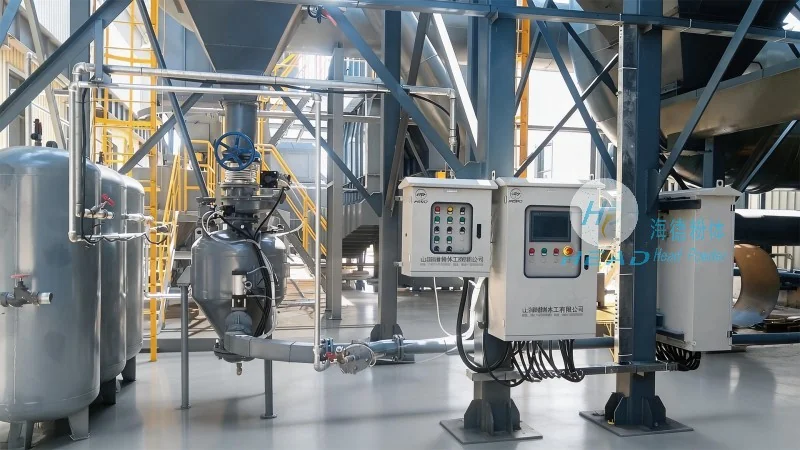
Understanding Plastic Pellet Material Handling
At its core, plastic pellet material handling involves the use of specialized equipment and systems to manage the flow of plastic pellets throughout the production cycle. This includes receiving raw materials, storing them in bulk, conveying them to processing machinery, and managing waste or excess material. The goal is to minimize downtime, reduce material loss, and enhance overall operational efficiency. Effective material handling solutions are crucial for industries that rely on plastic pellets, such as automotive, packaging, and consumer goods manufacturing.
Key Design Principles for Plastic Pellet Handling Systems
The design of plastic pellet handling systems is guided by several fundamental principles that ensure optimal performance and reliability. These principles include: material flow optimization, which ensures that pellets move smoothly and without obstruction; equipment durability, as plastic handling equipment must withstand the rigors of continuous operation with abrasive materials; and safety considerations, addressing potential hazards like dust generation or static electricity buildup. Additionally, the design must accommodate the variability of plastic pellets, including different sizes, densities, and moisture content, to maintain consistent handling performance.
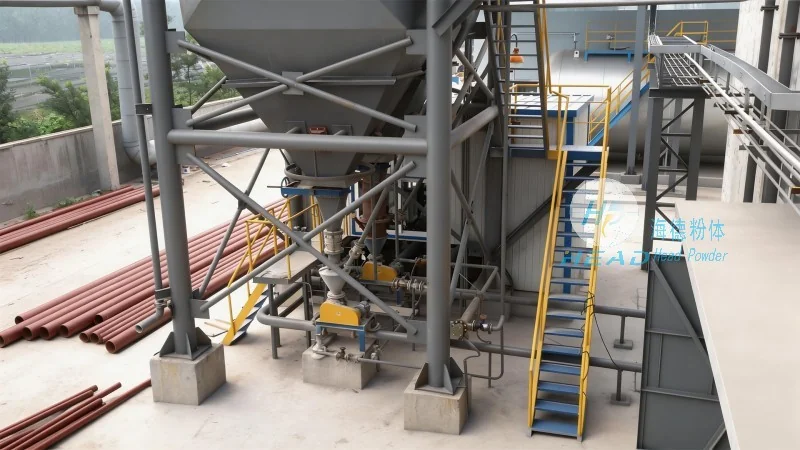
Equipment Used in Plastic Pellet Material Handling
Various types of equipment are employed in plastic pellet material handling to meet the diverse needs of different applications. Conveyors, such as belt conveyors and screw conveyors, are commonly used for transporting pellets horizontally or vertically. Hoppers and silos are utilized for storage, allowing for bulk handling and easy access to materials. Vibratory feeders and magnetic separators are also integral components, ensuring that pellets are properly fed into processing equipment and that contaminants are removed. The selection of equipment depends on factors like production volume, pellet characteristics, and the specific requirements of the manufacturing process.
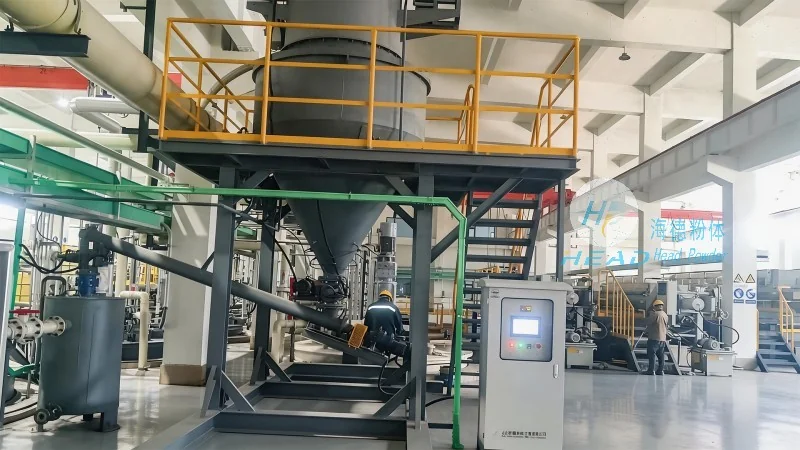
Importance of Proper Design and Implementation
Proper design and implementation of plastic pellet handling systems are essential for achieving long-term operational success. A well-designed system minimizes the risk of material degradation, reduces maintenance costs, and enhances the overall productivity of the production line. It also contributes to workplace safety by preventing accidents related to material handling. Companies like Shandong HeadPowder Engineering Co., Ltd., a leading provider of material handling solutions, specialize in designing and manufacturing customized systems that meet the unique needs of their clients. With a focus on quality and innovation, HeadPowder offers solutions tailored to the specific challenges of plastic pellet handling, ensuring that clients achieve optimal performance and efficiency in their operations.
Conclusion
In conclusion, plastic pellet material handling is a complex yet vital process that requires careful consideration of design principles and equipment selection. By understanding the fundamental aspects of material flow, equipment durability, and safety, manufacturers can develop effective handling systems that enhance productivity and product quality. Companies like Shandong HeadPowder Engineering Co., Ltd. play a crucial role in supporting these efforts by providing expert solutions and customized equipment designed to meet the specific demands of the plastic manufacturing industry.