

What is a Mobile Material Handling System? What are its Design Principles?
When it comes to efficient material handling in industrial settings, mobile material handling systems have emerged as a crucial solution. These systems are designed to transport goods and materials within a facility or between different locations, offering flexibility and adaptability that traditional fixed systems may lack. Understanding what these systems are and how they are designed is essential for businesses seeking to optimize their operations.
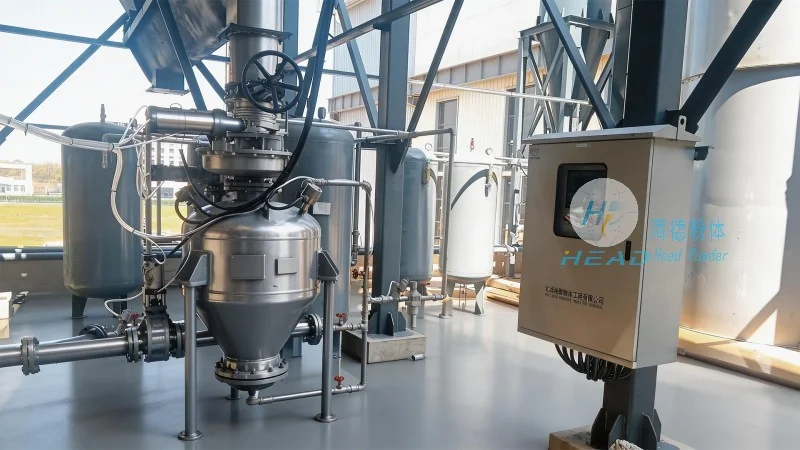
Defining Mobile Material Handling Systems
A mobile material handling system refers to a collection of equipment and mechanisms that can be moved or repositioned as needed to facilitate the movement of materials. Unlike fixed conveyor systems or static storage solutions, these systems are designed for mobility, allowing them to be reconfigured based on changing operational needs. This flexibility is particularly valuable in dynamic environments where production processes, storage requirements, or workflow layouts may evolve over time.
Key Components of Mobile Material Handling Systems
At the core of a mobile material handling system are several key components that work together to enable efficient material transport. These typically include mobile platforms or carts equipped with lifting mechanisms, such as hydraulic or electric lifts, which allow for the elevation and movement of loads. Additionally, these systems may incorporate features like adjustable shelving, storage bins, or integrated control panels to enhance functionality and user interaction. The integration of these components ensures that the system can handle a wide range of materials, from bulk items to smaller, more delicate products.
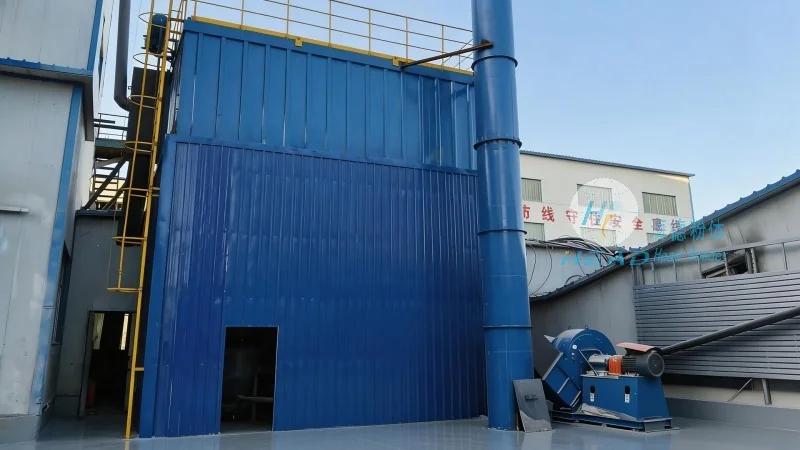
Design Principles Behind Mobile Material Handling Systems
The design of mobile material handling systems is guided by several fundamental principles aimed at maximizing efficiency, safety, and adaptability. One of the primary principles is modularity, which allows for the easy addition or removal of components to suit specific operational requirements. This modularity enables businesses to scale their material handling capabilities as their needs change, without the need for extensive system overhauls. Another key principle is ergonomics, ensuring that the systems are designed to minimize operator fatigue and reduce the risk of injuries during operation. This includes features like adjustable heights, intuitive controls, and smooth movement mechanisms that enhance user experience.
How Mobile Material Handling Systems Enhance Operational Efficiency
Implementing a mobile material handling system can significantly improve operational efficiency in various industries. By providing the ability to reposition equipment and storage areas, these systems reduce the time and effort required to move materials between different workstations or storage locations. This leads to faster production cycles, reduced downtime, and improved overall productivity. Additionally, the ability to customize the system to fit specific workflow patterns allows for better space utilization, as mobile units can be moved to optimize the use of available floor space. This adaptability is particularly beneficial in environments where space is limited or where production layouts are frequently adjusted.
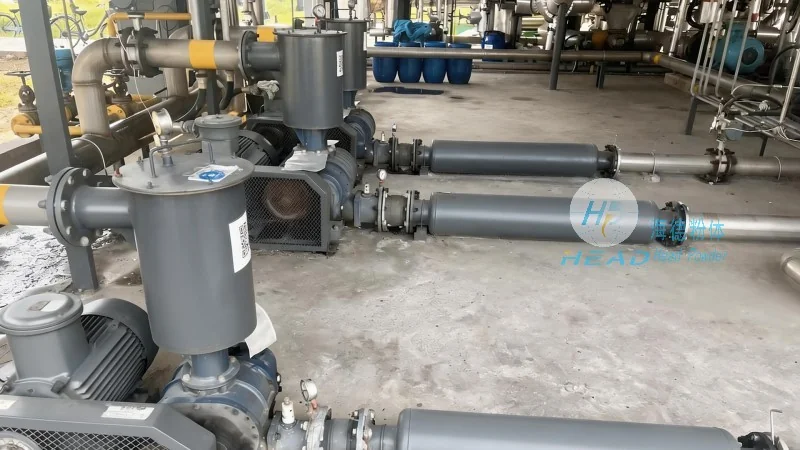
Customization and Integration with Existing Systems
Mobile material handling systems are often designed to be compatible with existing infrastructure and equipment, allowing for seamless integration into current operational setups. This includes the ability to connect with existing control systems, such as warehouse management software or automated storage and retrieval systems (AS/RS). The integration of mobile systems with these technologies enables real-time tracking of materials, improved inventory management, and enhanced overall operational visibility. Customization options, such as adjustable dimensions, load capacities, and control interfaces, further allow businesses to tailor the system to their unique needs, ensuring optimal performance and alignment with their specific operational goals.
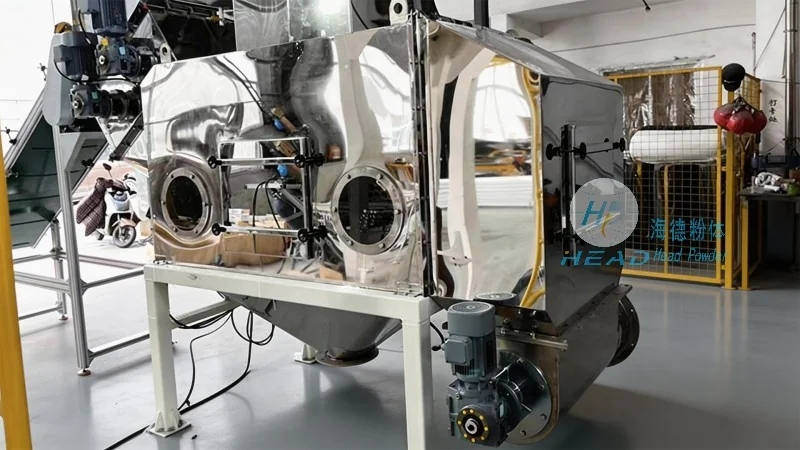
Considerations for Implementing Mobile Material Handling Systems
When considering the implementation of a mobile material handling system, several factors should be taken into account to ensure successful integration and long-term effectiveness. These include assessing the specific material handling requirements of the facility, evaluating the available space and layout constraints, and determining the appropriate load capacity and mobility features needed. Additionally, the selection of a reliable and experienced supplier is critical, as the quality and performance of the system directly impact operational efficiency and safety. Working with a reputable company like Shandong HeadPowder Engineering Co., Ltd., which specializes in engineering and manufacturing such systems, can provide valuable expertise and support throughout the implementation process.
Conclusion: The Role of Mobile Material Handling Systems in Modern Operations
In conclusion, mobile material handling systems represent a sophisticated and adaptable solution for optimizing material transport in industrial and commercial environments. By combining mobility, modularity, and advanced design principles, these systems offer significant advantages in terms of efficiency, flexibility, and operational control. As businesses continue to seek ways to enhance productivity and adapt to changing market demands, the importance of well-designed mobile material handling systems will only grow. With the expertise and commitment of companies like Shandong HeadPowder Engineering Co., Ltd., businesses can leverage these advanced systems to achieve their operational goals and maintain a competitive edge in their respective industries.