

[What is an Oat Flour Material Handling System? What Are Its Design Principles?]
For businesses involved in the processing and distribution of oat flour, an efficient material handling system is crucial. This system ensures the safe, reliable, and efficient movement of oat flour from storage to processing lines or packaging areas. Understanding the components and design principles of such a system is essential for optimizing operations and maintaining product quality. This article explores the key aspects of oat flour material handling systems, with a focus on the expertise of Shandong HeadPowder Engineering Co., Ltd., a leading provider based in China.
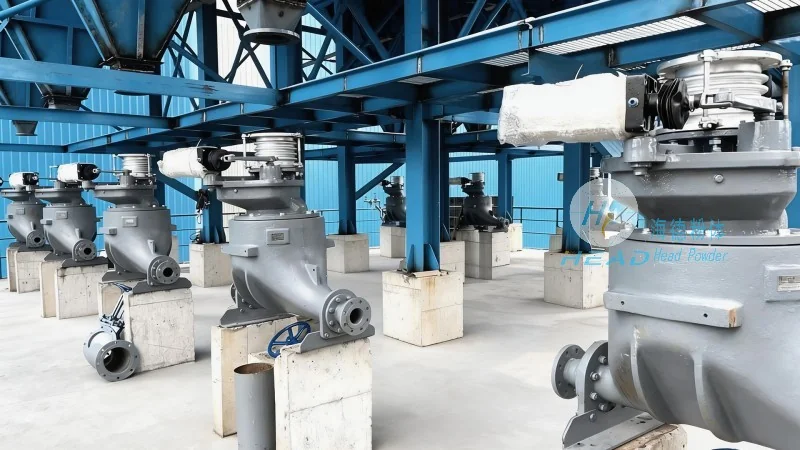
Introduction to Oat Flour Material Handling Systems
Oat flour material handling systems are specialized setups designed to manage the flow of oat flour, a popular ingredient in food production. These systems integrate various equipment such as conveyors, hoppers, and storage silos to ensure smooth and consistent operation. The primary goal is to minimize product contamination, reduce labor costs, and enhance overall productivity. A well-designed system adapts to the unique characteristics of oat flour, which can vary in moisture content, particle size, and flowability. By addressing these factors, the system ensures that the flour moves without clogging or degradation, maintaining its quality for end-use applications.
Understanding the Core Components of an Oat Flour Material Handling System
The effectiveness of an oat flour material handling system relies on its core components, each playing a vital role in the overall process. The first component is the storage silo, which provides a large-capacity, airtight container to store bulk oat flour. This silo is typically made of stainless steel or other corrosion-resistant materials to prevent contamination and maintain the flour's freshness. The silo is equipped with a discharge valve or a rotary valve that controls the flow of flour into the next stage of the system. Next, the system includes a conveyor system, which can be belt conveyors, screw conveyors, or pneumatic conveyors, depending on the specific requirements. Belt conveyors are ideal for transporting loose oat flour over short to medium distances, while screw conveyors are suitable for vertical or inclined transport. Pneumatic conveyors, or air slides, are often used for fine powders like oat flour, as they can handle delicate materials without causing damage. Additionally, the system may include a hopper or a surge bin to regulate the flow rate and prevent overloading the downstream equipment. These components work in tandem to ensure a continuous and controlled flow of oat flour.
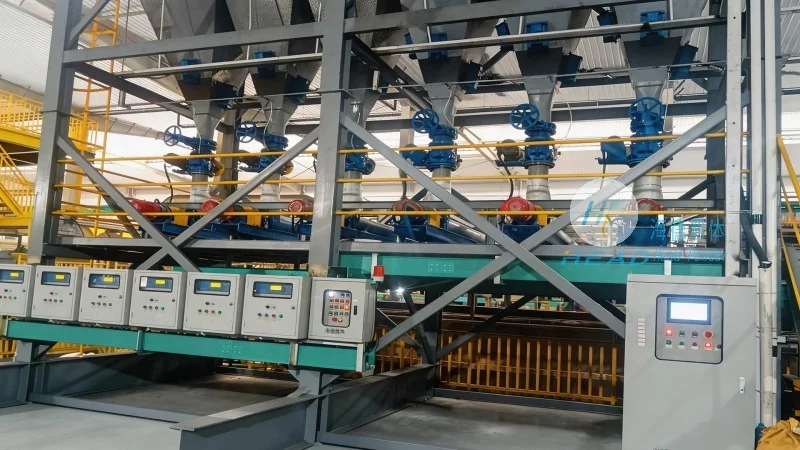
Design Principles for Efficient Oat Flour Material Handling
Designing an efficient oat flour material handling system involves adhering to several key principles that prioritize safety, efficiency, and product integrity. First, the system must be designed to minimize dust generation and control airborne particles. Oat flour is a fine powder that can easily become airborne, leading to health hazards and product contamination. Therefore, the system incorporates dust collection systems, such as cyclones or baghouses, to capture and filter the dust before it is released into the environment. Second, the system must consider the flow properties of oat flour. Oat flour can be prone to bridging or caking, especially if it is stored for extended periods or has high moisture content. To prevent this, the system includes vibration devices or rotary valves that break up any agglomerates and ensure smooth flow. Third, the system is designed for easy cleaning and maintenance. The components are constructed with smooth surfaces and accessible parts, allowing for thorough cleaning to prevent cross-contamination between batches. Fourth, the system is integrated with sensors and controls to monitor the flow rate, pressure, and other critical parameters. This allows operators to adjust the system in real-time, ensuring optimal performance and preventing equipment damage. By following these design principles, the system ensures that oat flour is handled safely and efficiently, meeting the highest standards of quality and reliability.
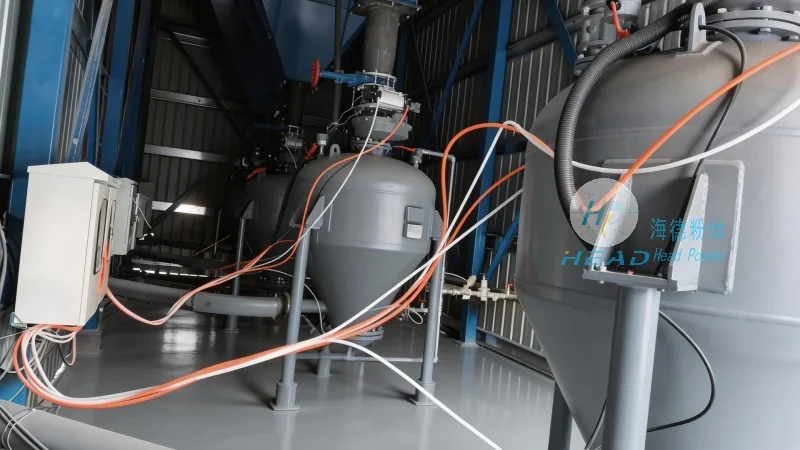
HeadPowder's Expertise in Oat Flour Material Handling Solutions
Shandong HeadPowder Engineering Co., Ltd., based in China, is a leading manufacturer and supplier of specialized material handling systems for the food industry. With years of experience in the field, HeadPowder has developed a deep understanding of the unique challenges associated with handling oat flour and other fine powders. The company's team of engineers and technicians works closely with clients to design customized systems that meet their specific needs. HeadPowder's systems are built with high-quality materials, such as stainless steel and food-grade plastics, to ensure durability and compliance with industry standards. The company also provides comprehensive after-sales support, including installation, training, and maintenance services. By leveraging advanced technology and a commitment to quality, HeadPowder delivers reliable and efficient oat flour material handling solutions that enhance productivity and product quality for its clients.
Key Features and Benefits of Our Material Handling Systems for Oat Flour
HeadPowder's oat flour material handling systems offer several key features that set them apart from other solutions in the market. One of the primary features is the use of advanced control systems, which allow for precise monitoring and adjustment of the flow rate. This ensures that the system operates at its optimal efficiency, reducing energy consumption and minimizing waste. Another key feature is the integration of dust control systems, which not only improve safety but also extend the life of the equipment by preventing corrosion and wear. The systems also include easy-to-clean components, which are essential for maintaining hygiene standards in food processing facilities. This reduces the risk of product contamination and ensures compliance with regulatory requirements. Additionally, the systems are designed for flexibility, allowing them to be adapted to different production volumes and processing requirements. This makes them suitable for both small-scale and large-scale operations. The benefits of using HeadPowder's systems are significant. They improve operational efficiency by reducing downtime and labor costs, enhance product quality by minimizing contamination and degradation, and increase safety by controlling dust and preventing accidents. Overall, HeadPowder's oat flour material handling systems provide a comprehensive solution for businesses looking to optimize their processing operations and maintain high standards of quality and safety.