

What is a Magnesium Oxide Powder Material Handling System? What Are Its Design Principles?
Understanding the material handling systems used for magnesium oxide powder is crucial for industries that rely on this material. These systems are engineered to efficiently transport, store, and manage the powder, ensuring safety and operational efficiency. In this article, we explore the fundamental aspects of such systems and their underlying design principles.
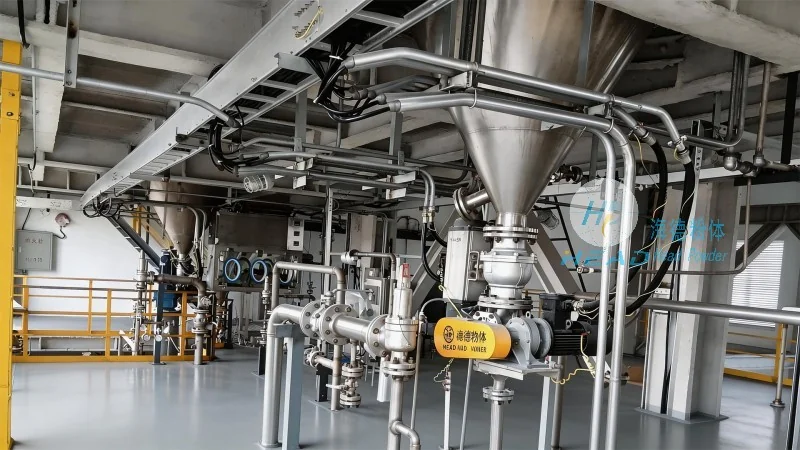
About Shandong HeadPowder Engineering Co., Ltd.
Shandong HeadPowder Engineering Co., Ltd. is a leading provider of specialized equipment and solutions for material handling, particularly in the processing of magnesium oxide powder. With a strong focus on innovation and quality, the company has established itself as a trusted partner in the industry. HeadPowder's expertise lies in designing and manufacturing systems that meet the unique challenges of handling fine powders like magnesium oxide, ensuring reliable performance and longevity.
Design Principles of Magnesium Oxide Powder Material Handling Systems
The design of a magnesium oxide powder material handling system involves several key principles aimed at optimizing performance, safety, and cost-effectiveness. First, the system must address the inherent properties of magnesium oxide powder, which includes its fine particle size, potential for static electricity, and susceptibility to caking or bridging. Engineers must consider these characteristics when selecting materials for components like hoppers, conveyors, and storage silos. For instance, anti-static coatings and proper grounding are essential to prevent powder accumulation and potential fire hazards. Additionally, the system's design must incorporate features that minimize material degradation, such as using smooth, non-abrasive surfaces and avoiding high-impact areas that could cause particle breakage.
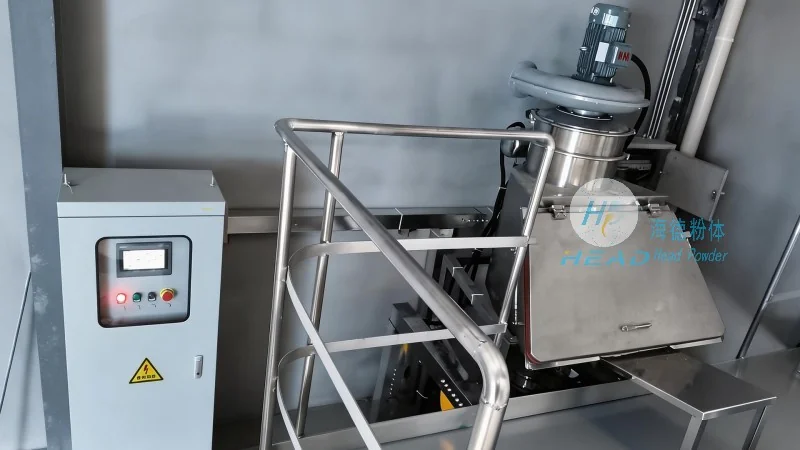
Key Components of the Material Handling System
A typical magnesium oxide powder material handling system consists of several interconnected components that work together to achieve efficient material flow. The primary components include a hopper for initial storage, a feeder to control the flow rate, a conveyor system for transporting the powder to the processing or storage areas, and a silo or storage tank for bulk storage. Each component is carefully selected and designed to handle the specific characteristics of magnesium oxide powder. The hopper is often equipped with a discharge valve to regulate the release of powder, while the feeder may use a rotary valve or screw conveyor to maintain a consistent flow. The conveyor system, such as a belt or pneumatic conveyor, is chosen based on the required capacity and distance of transport. The storage silo is designed with a conical bottom to facilitate uniform discharge and prevent material bridging, which can lead to blockages.
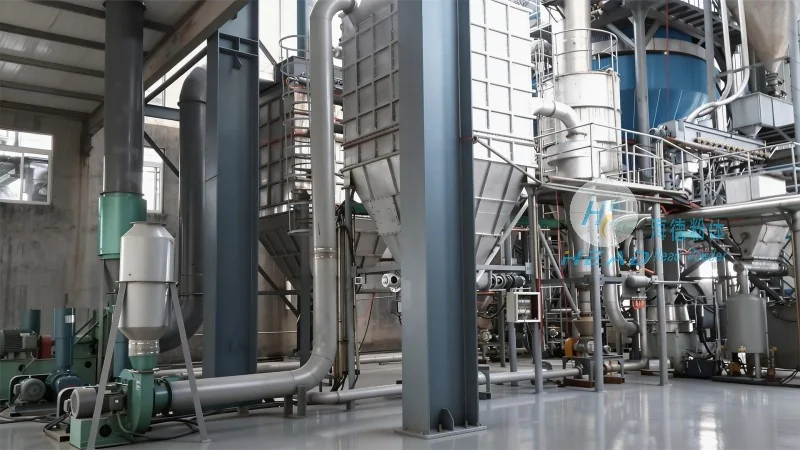
Advantages of Using a Specialized Material Handling System
Implementing a dedicated material handling system for magnesium oxide powder offers numerous advantages for industrial operations. One of the most significant benefits is improved safety. By controlling the flow and storage of the powder, the system reduces the risk of dust explosions, which are a major concern with fine powders. The anti-static measures and proper ventilation in the system further enhance safety by minimizing the accumulation of static charge. Another key advantage is operational efficiency. The system ensures a consistent and controlled flow of material, reducing downtime caused by clogging or blockages. This leads to higher productivity and lower maintenance costs over time. Additionally, the system's design allows for easy integration with other processing equipment, streamlining the overall production process and improving overall plant efficiency.
Conclusion
Understanding the design principles and components of a magnesium oxide powder material handling system is essential for industries that rely on this material. The systems developed by Shandong HeadPowder Engineering Co., Ltd. are tailored to address the unique challenges of handling fine powders, ensuring safety, efficiency, and reliability. By incorporating advanced engineering principles and materials, these systems provide a robust solution for the transportation and storage of magnesium oxide powder, supporting the needs of various industrial applications.