

What is a Pyrolysis Char Material Handling Equipment? What Are Its Design Principles?
Pyrolysis char material handling equipment is a specialized system engineered to transport and manage char, a byproduct commonly generated during the pyrolysis process of organic materials. This equipment plays a crucial role in the efficient processing and utilization of pyrolysis-derived char, which is often used in various industrial applications such as soil amendment, fuel, or as a raw material for further processing. Understanding the design principles behind this equipment is essential for optimizing its performance and ensuring reliable operation in industrial settings.
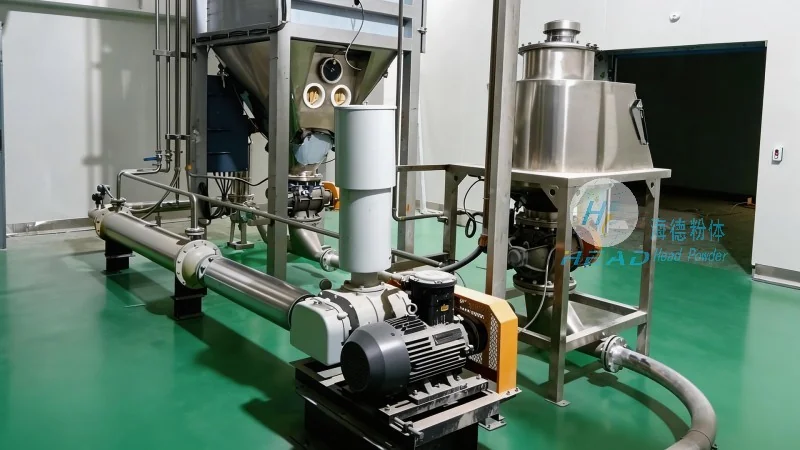
Key Components and Functional Design of Pyrolysis Char Handling Systems
The design of pyrolysis char material handling equipment typically incorporates several key components that work in tandem to ensure efficient material transport. These components include feed hoppers, conveyor mechanisms (such as screw conveyors, belt conveyors, or pneumatic conveying systems), control systems, and discharge mechanisms. The feed hopper is designed to receive the pyrolysis char from the pyrolysis reactor, ensuring a consistent and controlled flow of material into the handling system. Conveyor mechanisms are critical for transporting the char from the feed point to the storage or processing area. Screw conveyors are commonly used for horizontal or slight incline transport due to their ability to handle dry, free-flowing materials without the need for additional air or power. Belt conveyors may be employed for larger volumes or when a more robust transport solution is required. Pneumatic conveying systems are suitable for fine or dusty char, utilizing air pressure to move the material through pipes. Control systems are integrated to regulate the flow rate, monitor the system's operational status, and ensure safety by preventing overloading or blockages. Discharge mechanisms, such as rotary valves or gates, are used to control the release of char from the conveyor system to the next stage of processing or storage.
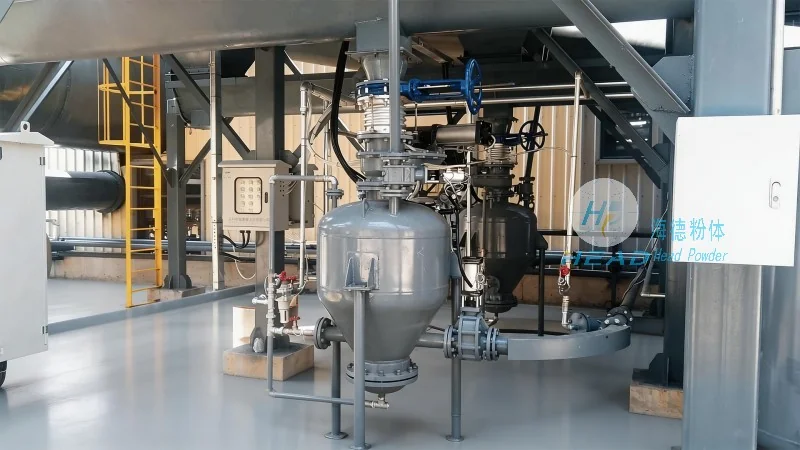
Design Principles for Optimal Performance and Reliability
The design principles of pyrolysis char material handling equipment focus on several critical factors to ensure optimal performance, reliability, and safety. First, material compatibility is a key consideration. The equipment must be constructed from materials that are resistant to the chemical and thermal properties of pyrolysis char, which can be abrasive and corrosive. Common materials used in the construction of these systems include stainless steel, high-grade alloys, and specialized coatings to prevent wear and degradation. Second, the system's design must address the challenges of handling fine or dusty char, which can lead to blockages and reduced efficiency. Features such as self-cleaning mechanisms, air filtration systems, and adjustable feed rates help mitigate these issues. Third, the equipment is designed to minimize material loss and contamination. Sealed systems and proper sealing of components prevent the escape of char particles and the ingress of external contaminants, ensuring the purity of the material being transported. Fourth, the design emphasizes energy efficiency and operational cost reduction. This includes the use of energy-efficient conveyor systems, minimal maintenance requirements, and the integration of automation to reduce labor costs and improve overall productivity. Finally, safety is a paramount consideration in the design. The equipment incorporates safety features such as emergency stop buttons, overload protection, and proper ventilation to prevent dust explosions and ensure the safety of operators.
Application and Integration in Pyrolysis Processes
Pyrolysis char material handling equipment is typically integrated into the overall pyrolysis process as a critical component for material flow management. The equipment is positioned downstream of the pyrolysis reactor, where the char is collected and then transported to storage silos, processing units, or downstream applications. The design of the handling system must be compatible with the flow rates and material characteristics produced by the pyrolysis reactor. For example, if the pyrolysis reactor produces a high volume of fine char, a pneumatic conveying system may be more suitable than a screw conveyor. Conversely, if the char is coarse and free-flowing, a screw or belt conveyor may be more efficient. The handling equipment must also be designed to handle variations in char properties, such as changes in moisture content or particle size, which can occur due to fluctuations in the pyrolysis feedstock or operating conditions. This adaptability is crucial for maintaining consistent performance and preventing system downtime.
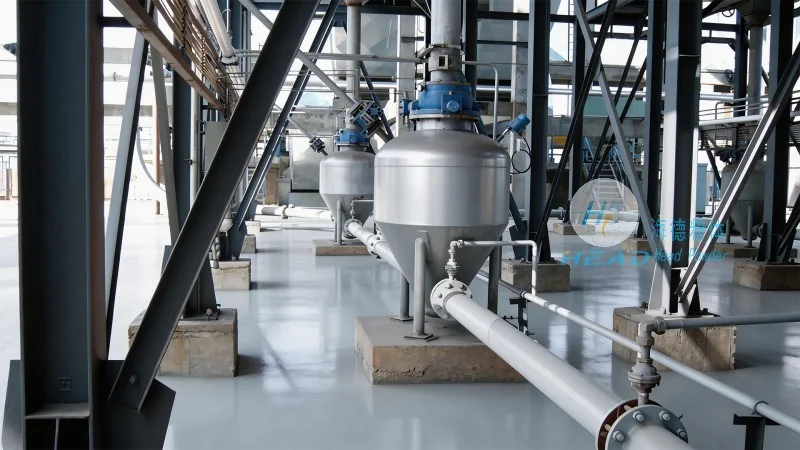
Maintenance and Operational Considerations
Proper maintenance and operational practices are essential for ensuring the long-term performance and reliability of pyrolysis char material handling equipment. Regular maintenance activities include inspecting and cleaning conveyor components, checking for wear and tear on parts such as bearings and seals, and verifying the functionality of control systems. The equipment should be cleaned regularly to prevent the buildup of char particles, which can lead to blockages and reduced efficiency. Operators should be trained to monitor the system's performance and identify any signs of malfunction, such as unusual noises, vibrations, or changes in flow rates. Additionally, the system should be designed with easy access to maintenance points, allowing for quick and efficient repairs. Proper operational procedures, such as starting and stopping the system in the correct sequence, should be followed to prevent damage to components and ensure safety. By adhering to these maintenance and operational guidelines, the equipment can maintain its performance and extend its service life, contributing to the overall efficiency of the pyrolysis process.