

What is a Fine Chemical Material Conveying Line? What Are Its Design Principles?
Understanding the core components and design principles of fine chemical material conveying lines is essential for industries that rely on the precise handling of delicate substances. These specialized systems are engineered to transport fine chemicals with minimal risk of contamination and degradation, making them indispensable in sectors such as pharmaceuticals, specialty chemicals, and advanced materials.
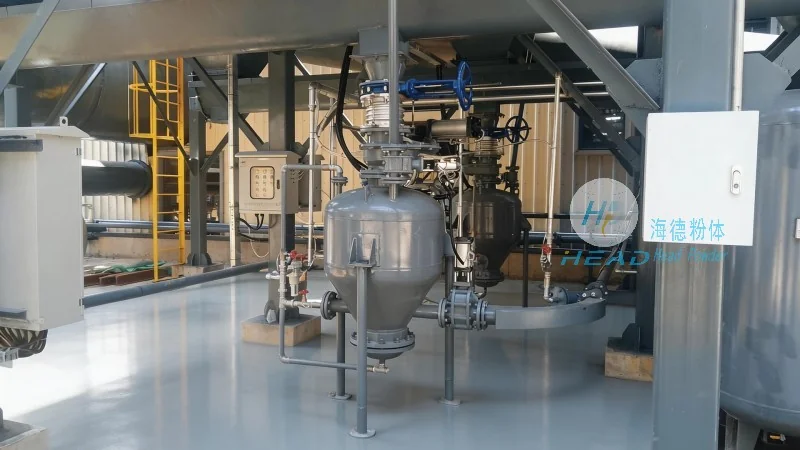
Introduction to Fine Chemical Material Conveying Lines
Fine chemical material conveying lines are specialized systems designed to handle and transport fine chemicals with precision and efficiency. These lines are critical in industries where the integrity and purity of chemical substances are paramount, such as pharmaceuticals, specialty chemicals, and advanced materials. The design of these systems focuses on minimizing contamination, maintaining consistent flow rates, and ensuring that delicate materials are handled without degradation. By integrating advanced engineering principles and materials science, these conveying lines provide a reliable solution for the complex demands of modern industrial processes.
Understanding the Core Components of the Conveying Line
A typical fine chemical material conveying line consists of several key components that work in tandem to achieve optimal performance. These include feed hoppers, which are designed to store and feed materials into the system, often with level sensors to monitor inventory. Conveying mechanisms, such as pneumatic or mechanical systems, are used to transport the materials through the line. Pneumatic conveying systems utilize compressed air to move powders and granules, while mechanical systems rely on screws, belts, or rollers. The line also incorporates control systems, which regulate the flow rate, pressure, and other parameters to maintain stability. Additionally, filtration and dust collection systems are integrated to ensure that the environment remains clean and that the materials are not contaminated during transport. Each component is carefully selected and designed to meet the specific requirements of the materials being handled, ensuring that the entire system operates efficiently and reliably.
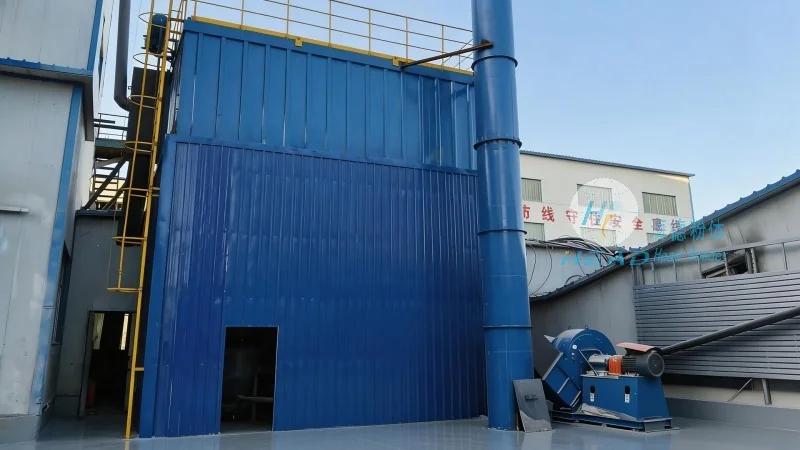
Design Principles for Efficient Material Handling
The design principles of fine chemical material conveying lines prioritize several critical factors to ensure reliability and performance. One key principle is the minimization of material degradation, which is achieved through gentle handling and controlled flow rates. The systems are engineered to avoid high shear forces or excessive friction that could alter the chemical properties of the materials. Another principle is the prevention of cross-contamination, which is essential in industries where product purity is non-negotiable. This is achieved through sealed systems, separate air filtration, and dedicated pipelines for different materials. The design also considers scalability and adaptability, allowing the system to be adjusted for different batch sizes or material types without significant modifications. Furthermore, energy efficiency is a key consideration, with systems optimized to use minimal power while maintaining performance. These principles collectively ensure that the conveying line operates with high efficiency, low maintenance, and consistent quality output.
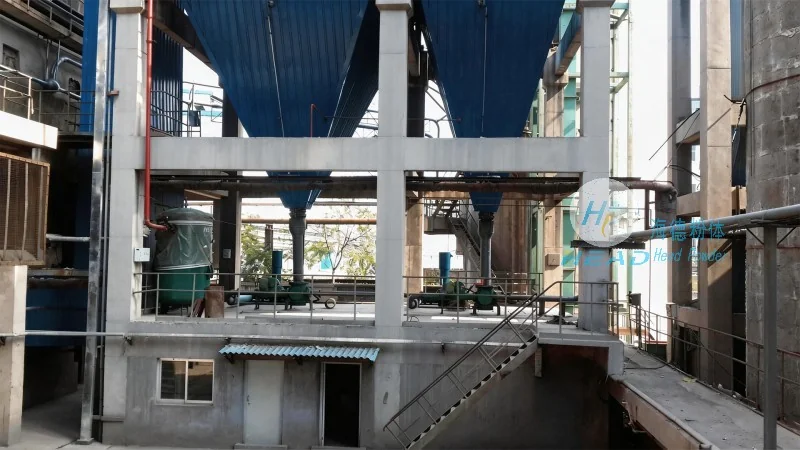
Key Features and Advantages of the System
The fine chemical material conveying line from Shandong HeadPowder Engineering Co., Ltd. (headpowder) offers several distinct advantages that make it a preferred choice for industries dealing with delicate chemicals. One of the primary features is its high level of precision in material handling, which ensures that the flow rate and pressure are maintained within tight tolerances. This precision is crucial for processes that require consistent dosing or mixing. The system also features advanced control capabilities, allowing for real-time monitoring and adjustment of parameters through digital interfaces. This enables operators to respond quickly to changes in material properties or system conditions. Another advantage is the robust construction, which is designed to withstand the corrosive and abrasive nature of fine chemicals, ensuring long-term durability and minimal maintenance. The system is also modular, allowing for easy integration into existing production lines or expansion as production needs grow. These features combine to provide a cost-effective and reliable solution for material handling in the fine chemical industry.
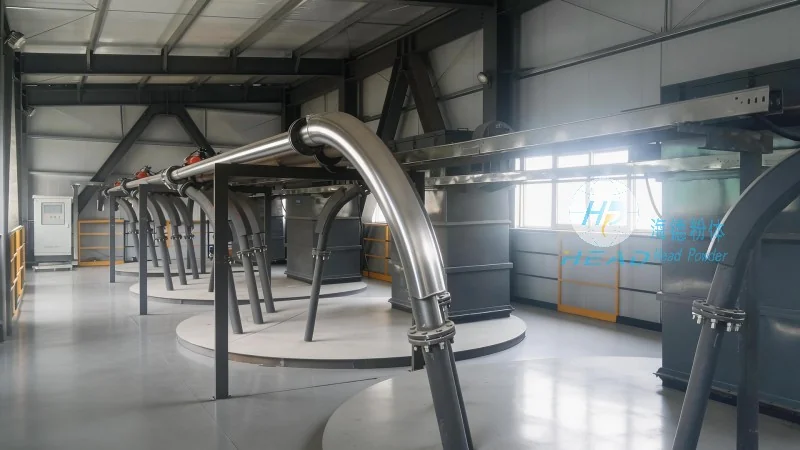
Application Scenarios and Industry Relevance
Fine chemical material conveying lines are widely used in various applications across different industries. In the pharmaceutical industry, these systems are essential for transporting active pharmaceutical ingredients (APIs) and excipients, ensuring that the final product meets stringent purity standards. In the specialty chemicals sector, they are used to handle high-value materials like pigments, dyes, and catalysts, where even minor contamination can affect product quality. The advanced materials industry also relies on these systems for transporting nanomaterials and other delicate powders, which require precise control to maintain their unique properties. The versatility of the system makes it suitable for a wide range of applications, from small-scale laboratory operations to large-scale industrial production lines. By addressing the specific challenges of each industry, the conveying line enhances productivity and ensures compliance with regulatory requirements.
About Shandong HeadPowder Engineering Co., Ltd.
Shandong HeadPowder Engineering Co., Ltd., commonly known as headpowder, is a leading manufacturer and supplier of specialized material handling systems for the fine chemical industry. With its headquarters in Shandong, China, the company has established itself as a trusted partner for businesses seeking reliable and efficient conveying solutions. HeadPowder's team of engineers and technicians specializes in designing and manufacturing systems that meet the unique requirements of each client, ensuring that the final product is tailored to specific industry needs. The company is committed to quality and innovation, continuously investing in research and development to improve the performance and functionality of its conveying lines. By combining advanced technology with practical application expertise, headpowder provides solutions that enhance productivity, reduce costs, and ensure compliance with industry standards. As a result, headpowder has become a key player in the global market for fine chemical material handling systems, serving clients across multiple sectors and contributing to the advancement of industrial processes worldwide.