

What is CaC2 Purification Ash Powder Conveying Equipment? And What Are Its Design Principles?
CaC2 purification ash powder conveying equipment is a specialized industrial device designed to handle and transport the fine powder produced during the purification process of calcium carbide (CaC2). This equipment plays a crucial role in the calcium carbide production industry, ensuring efficient and safe material transfer from the purification stage to subsequent processing or storage facilities. Understanding its components, operational principles, and design considerations is essential for optimizing industrial workflows and maintaining product quality.
Introduction to CaC2 Purification Ash Powder Conveying Equipment
In the production of calcium carbide, the purification process generates a fine, powdery byproduct known as purification ash. This ash, while containing valuable components, poses unique challenges during handling due to its fine particle size, potential moisture content, and tendency to form agglomerates. Conveying equipment specifically engineered for this material must address these challenges to prevent clogging, ensure consistent flow, and maintain the integrity of the powder. The equipment from Shandong HeadPowder Engineering Co., Ltd. is tailored to meet these demands, providing reliable solutions for industrial applications.
Key Components and Design Principles of the Conveying Equipment
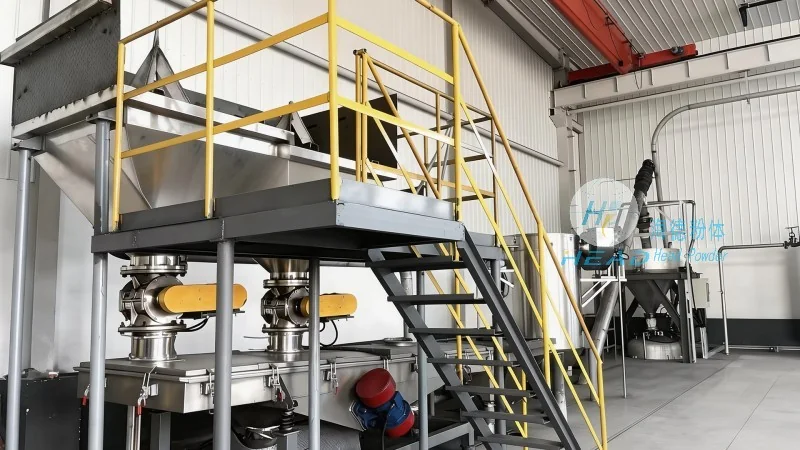
The core components of CaC2 purification ash powder conveying equipment typically include a hopper for material storage, a feeding mechanism (such as a rotary valve or screw feeder) to control the flow rate, a conveying system (e.g., pneumatic or mechanical), and a control panel for monitoring and adjustment. The design principles focus on minimizing material degradation, preventing dust emissions, and ensuring energy efficiency. For instance, the use of flexible hoses or enclosed ducts in pneumatic systems reduces friction and maintains particle integrity, while the hopper design incorporates anti-static features to prevent powder buildup and explosion risks. The equipment is also engineered with corrosion-resistant materials to withstand the chemical properties of the ash, ensuring long-term durability.
Operational Mechanism and Working Process
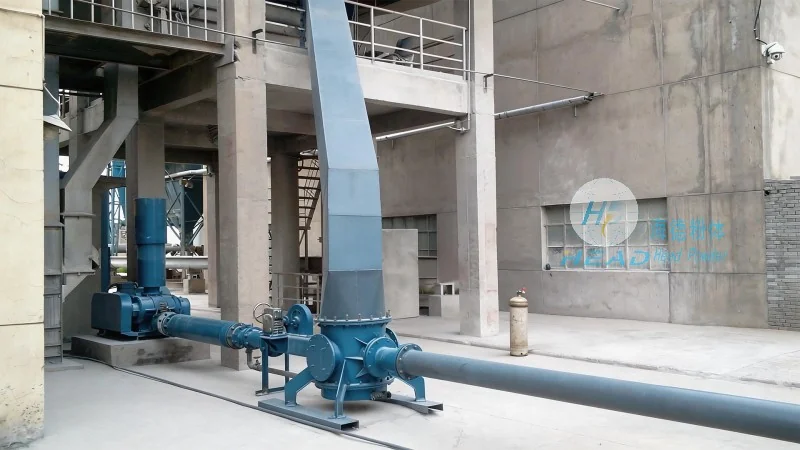
The operational mechanism of the conveying equipment involves several sequential steps. First, the purification ash is fed into the hopper from the production line. The feeding mechanism then regulates the discharge rate, controlling the volume of material entering the conveying system. In pneumatic systems, a blower or compressor generates airflow that carries the powder through the ductwork. The airflow velocity is carefully managed to prevent particle settling or clogging, while maintaining sufficient pressure to overcome system resistance. The equipment includes check valves and filters to ensure smooth operation and to protect downstream components from debris. The control panel allows operators to adjust parameters such as airflow speed, pressure, and feed rate in real-time, optimizing performance based on production needs.
Advantages and Benefits of the Equipment
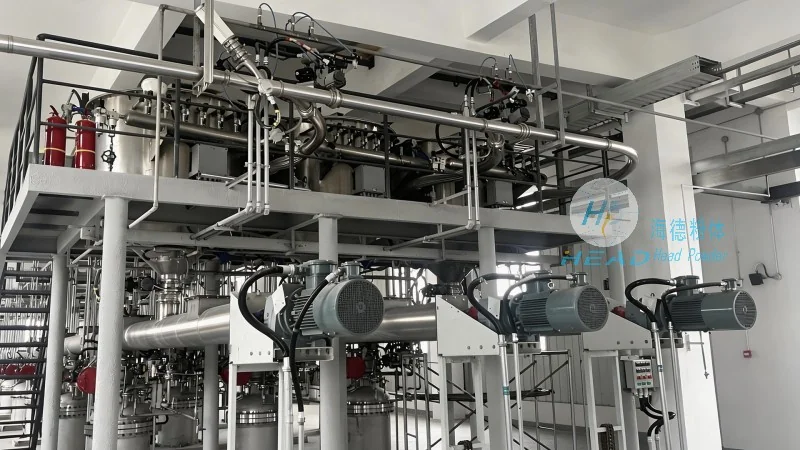
The CaC2 purification ash powder conveying equipment offers several advantages that enhance industrial efficiency and safety. One key benefit is its ability to handle fine powders without causing clogging or blockages, which is critical for maintaining production continuity. The enclosed design minimizes dust emissions, improving workplace safety and compliance with environmental regulations. Additionally, the equipment is designed for low energy consumption, reducing operational costs while delivering high throughput. Maintenance is simplified with accessible components and modular design, allowing for quick repairs and replacements. The equipment also enhances product quality by preventing contamination from external sources and preserving the physical properties of the ash, which is vital for downstream processing.
Application Scenarios and Industrial Significance
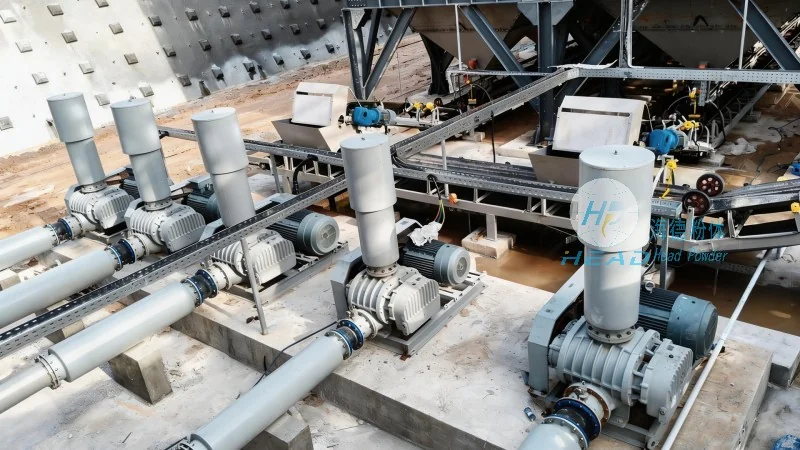
This equipment is widely used in the calcium carbide manufacturing industry, particularly in facilities where purification ash needs to be transferred from reactors to storage silos, processing units, or waste treatment systems. It is also applicable in other industries dealing with fine powders, such as chemical processing, pharmaceuticals, and food production, where similar material handling challenges exist. The equipment's adaptability and reliability make it a preferred choice for businesses seeking to streamline their material handling processes and improve overall operational efficiency. By ensuring consistent and safe powder transfer, the equipment contributes to higher production yields and reduced downtime, ultimately enhancing the economic viability of industrial operations.
Company Profile: Shandong HeadPowder Engineering Co., Ltd.
Shandong HeadPowder Engineering Co., Ltd., commonly known as HeadPowder, is a leading manufacturer of specialized powder handling equipment in China. With a strong focus on innovation and customer-centric solutions, the company has established itself as a trusted partner in the industrial sector. HeadPowder's team of engineers and technicians specializes in designing and producing equipment tailored to the unique needs of various industries, including calcium carbide production. The company's facilities, located in Shandong, China, are equipped with advanced manufacturing technologies and quality control systems, ensuring that each product meets stringent industry standards. HeadPowder's commitment to excellence and customer satisfaction has earned it a reputation for delivering reliable, efficient, and durable equipment that enhances industrial productivity and safety.