

What is a High-Pressure Dense-Phase Powder Conveying System? And What Are Its Design Principles?
High-pressure dense-phase powder conveying systems represent a sophisticated method for transporting bulk powders over long distances with high efficiency and minimal product degradation. This technology is widely used in industries such as chemical processing, pharmaceuticals, food processing, and mining, where the reliable and safe movement of powders is critical to operational success.
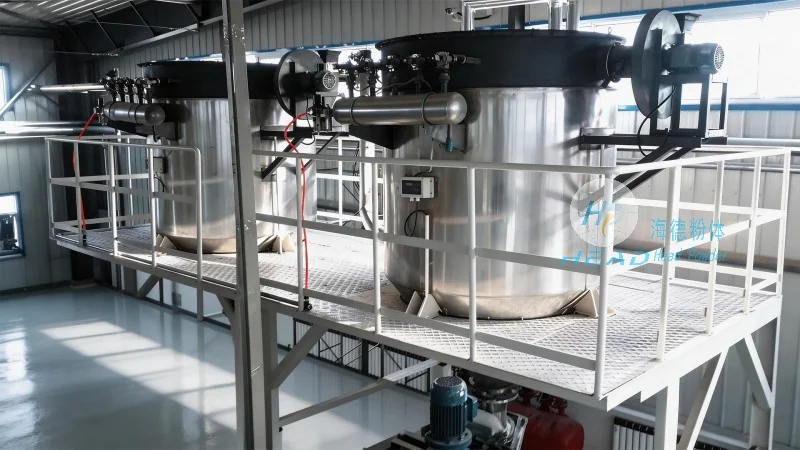
Understanding the Core Concept of High-Pressure Dense-Phase Powder Conveying
A high-pressure dense-phase powder conveying system operates by creating a dense, slurry-like mixture of powder and gas within a pipeline. Unlike traditional pneumatic conveying systems that rely on low-pressure, low-density flows, dense-phase systems use higher pressures and lower gas velocities to achieve a more stable and controlled transport. This approach minimizes particle attrition, reduces segregation, and ensures consistent flow rates, making it ideal for sensitive materials.
The Fundamental Design Principles of High-Pressure Dense-Phase Conveying
The design of a high-pressure dense-phase powder conveying system is governed by several key principles that ensure optimal performance and reliability. These principles include the selection of appropriate pump technology, the configuration of the pipeline network, and the control of gas-solid ratios. The system typically consists of a positive displacement pump, which provides the necessary pressure to move the powder, and a series of pipelines that guide the material from the source to the destination. The pump is designed to handle high pressures, often ranging from 5 to 30 bar, and can accommodate a wide range of powder types and particle sizes.
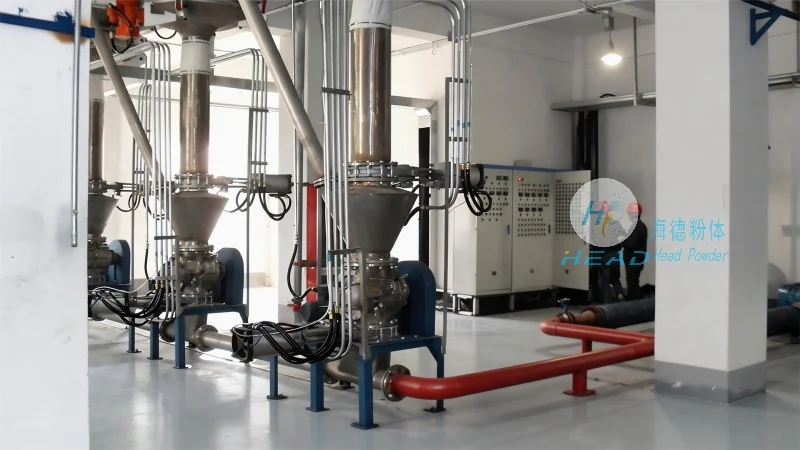
Key Components and Their Roles in the System
Several critical components work in tandem to ensure the smooth operation of a high-pressure dense-phase powder conveying system. The positive displacement pump is the heart of the system, responsible for generating the pressure needed to move the powder. This pump can be either a rotary lobe pump or a piston pump, depending on the specific application and material characteristics. The pipeline network is constructed from materials such as stainless steel or polyethylene, chosen for their durability and resistance to corrosion from the powder and gas mixture. Additionally, the system includes pressure regulators, flow meters, and control valves to monitor and adjust the pressure and flow rates in real-time, ensuring consistent performance.
Advantages of High-Pressure Dense-Phase Conveying Over Traditional Methods
Compared to conventional pneumatic conveying systems, high-pressure dense-phase conveying offers several distinct advantages. The most significant benefit is the reduction in particle degradation, as the higher pressure and lower gas velocities minimize the impact and friction between particles. This is particularly important for sensitive materials like pharmaceuticals or food products, where maintaining product integrity is paramount. Additionally, dense-phase systems can handle a wider range of powder characteristics, including cohesive or abrasive materials, without requiring extensive modifications to the system. The ability to transport powders over long distances with minimal energy consumption also makes this technology economically viable for large-scale operations.
Applications and Industries Where High-Pressure Dense-Phase Conveying Is Essential
The versatility of high-pressure dense-phase powder conveying systems makes them suitable for a variety of industrial applications. In the chemical industry, these systems are used to transport raw materials and finished products, such as powders for coatings or catalysts. The pharmaceutical sector relies on dense-phase conveying to ensure the safe and hygienic transfer of active ingredients and excipients, minimizing the risk of contamination. The food processing industry also benefits from this technology, as it allows for the efficient and sanitary movement of powders like flour, sugar, or spices. In mining operations, dense-phase systems are used to transport ore from processing plants to storage facilities, improving overall operational efficiency.
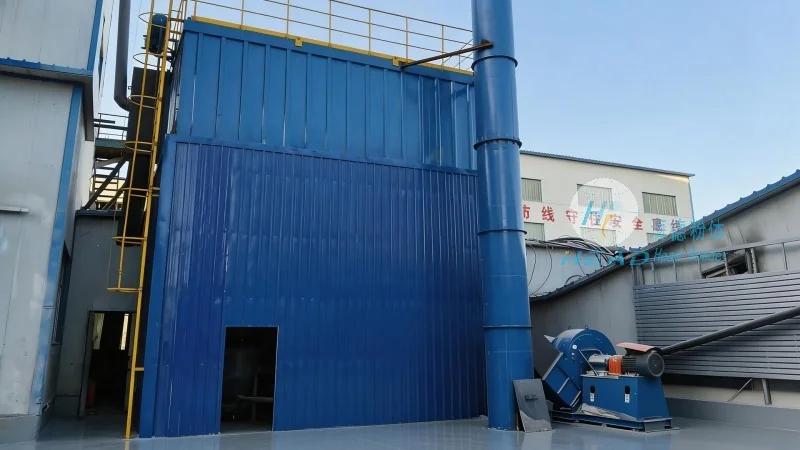
Customization and Integration with Existing Facilities
One of the key strengths of high-pressure dense-phase powder conveying systems is their adaptability to existing industrial setups. Companies like Shandong HeadPowder Engineering Co., Ltd. specialize in designing and manufacturing customized systems that integrate seamlessly with existing pipelines, storage tanks, and processing equipment. This approach minimizes downtime and reduces the need for extensive facility modifications, making it a cost-effective solution for businesses looking to upgrade their material handling capabilities. The engineers at HeadPowder work closely with clients to assess their specific needs, including the type of powder, distance to be covered, and required flow rates, to develop a tailored system that meets all operational requirements.
Ensuring Reliability and Longevity Through Proper Maintenance
Like any industrial equipment, high-pressure dense-phase powder conveying systems require regular maintenance to ensure optimal performance and longevity. Proper maintenance includes routine checks of pump components, pipeline integrity, and control system functionality. Regular cleaning of the pipeline and pump to remove accumulated powder is also essential to prevent blockages and maintain efficiency. By following a proactive maintenance schedule, companies can extend the lifespan of their equipment and avoid costly downtime due to system failures. Shandong HeadPowder Engineering Co., Ltd. provides comprehensive maintenance services and technical support to help clients maintain their systems in top condition, ensuring consistent and reliable operation.