

What is a Fine Light Sand Powder Conveying Line? And What Are Its Design Principles?
For industries dealing with fine light sand powders, an efficient and reliable conveying system is crucial for maintaining production efficiency and product quality. The fine light sand powder conveying line, also known as a fine powder handling system, is a specialized equipment setup designed to transport fine, lightweight particles such as light sand, powders, and other similar materials. This system is engineered to address the unique challenges associated with handling fine powders, including dust generation, material segregation, and efficient material transfer over various distances and elevations.
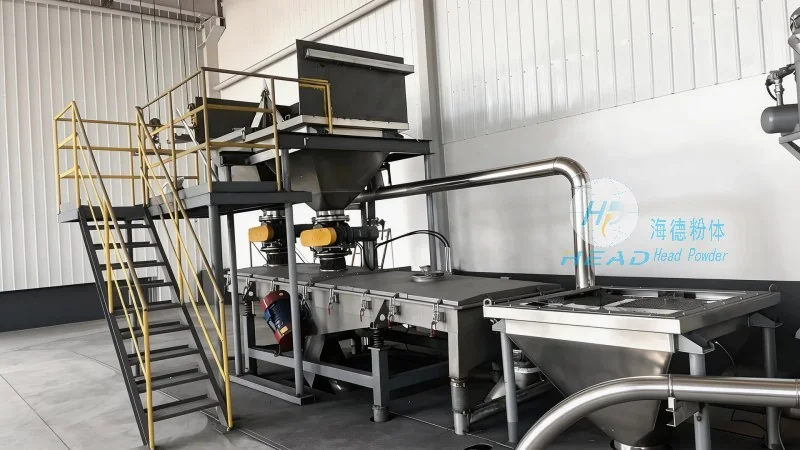
The design principles of a fine light sand powder conveying line are centered on several key factors to ensure optimal performance. First, the system must minimize material degradation and loss during transport. This is achieved through the use of appropriate materials for the conveyor components, such as stainless steel or corrosion-resistant alloys, to prevent particle contamination and wear. Second, the design focuses on controlling dust and preventing air pollution. Advanced sealing mechanisms, dust collection systems, and enclosed conveyor structures are integrated to maintain a clean working environment and comply with environmental regulations. Third, the system is optimized for energy efficiency and low maintenance. Variable speed drives, efficient motor selections, and robust construction reduce operational costs and downtime. Finally, the system is designed for flexibility and adaptability, allowing for easy integration with existing production lines and adjustments to accommodate different powder types and processing requirements.
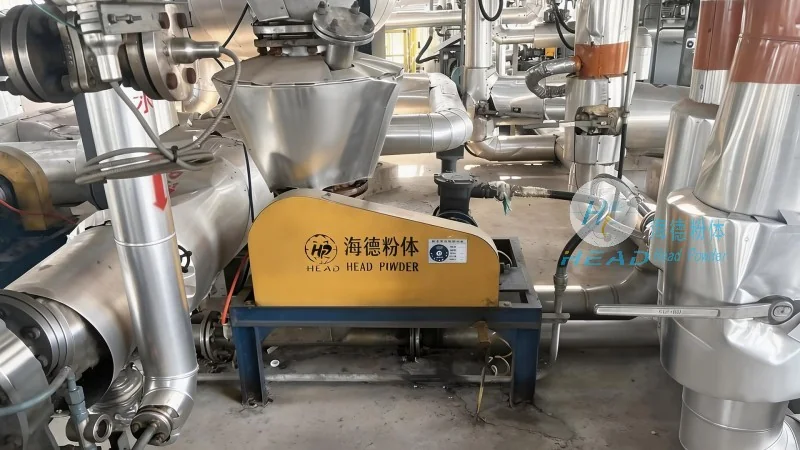
Key Components and Their Functions in the Conveying Line
The fine light sand powder conveying line typically consists of several critical components that work in concert to achieve effective material transport. The primary components include the material feed hopper, which stores and feeds the fine sand powder into the system; the conveyor itself, which can be a screw conveyor, pneumatic conveyor, or a combination of both, depending on the specific application; and the discharge outlet, which delivers the material to the next processing stage. The feed hopper is designed with a wide opening and a smooth interior to prevent material bridging and ensure consistent feeding. The conveyor mechanism, whether mechanical or pneumatic, is engineered to handle the low density and fine particle size of light sand, minimizing blockages and ensuring smooth flow. Additionally, the system may include a dust filter and collection unit to capture any airborne particles, maintaining air quality and preventing contamination of the surrounding environment.
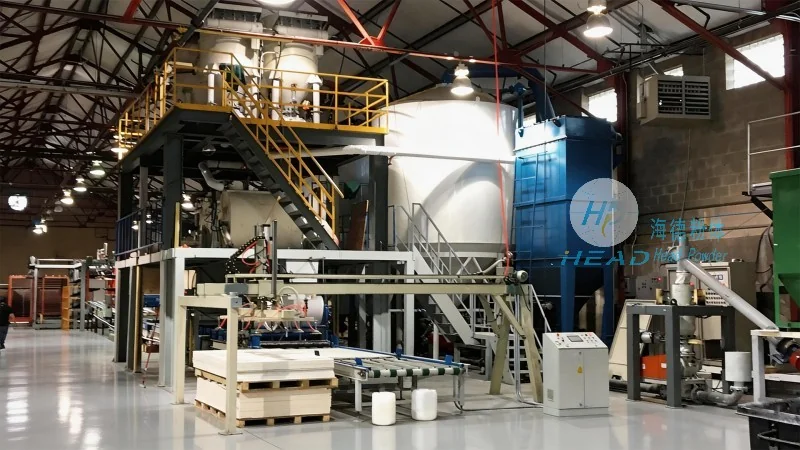
Design Considerations for Optimal Performance
When designing a fine light sand powder conveying line, several factors must be carefully considered to ensure the system meets the specific needs of the application. The first consideration is the material properties of the fine sand, including its particle size distribution, density, and moisture content. These properties influence the choice of conveyor type and the necessary adjustments to the system's speed and pressure. For example, very fine particles may require a pneumatic conveyor with higher air pressure to prevent clogging, while larger particles might be better suited for a screw conveyor with appropriate pitch and speed. Second, the system's layout and the distance and elevation changes between the feed and discharge points are critical. The design must account for the required headroom and space constraints in the facility, ensuring the conveyor can be installed without interfering with other equipment or operations. Third, the system's integration with the overall production process is essential. The conveying line should be designed to work seamlessly with other equipment, such as mixers, classifiers, and storage silos, to form a cohesive material handling system. Finally, the system's maintenance and operational requirements must be considered. The design should include easy access points for maintenance, such as removable sections of the conveyor or accessible filter units, to minimize downtime and reduce maintenance costs.
Applications and Industries Using Fine Light Sand Powder Conveying Lines
Fine light sand powder conveying lines are widely used in various industries that handle fine, lightweight materials. Some of the primary applications include the construction industry, where light sand is used as a filler in concrete and mortar mixes. The conveying line ensures that the sand is delivered to the mixing plant efficiently and without dust contamination. In the chemical industry, fine powders are used in the production of coatings, pigments, and other chemical products. The system helps maintain product purity and prevents cross-contamination between different powder types. The food industry also utilizes fine light sand powder conveying lines for the handling of food-grade powders, such as sugar, flour, and other ingredients. The design of the system ensures that the materials remain hygienic and free from contaminants, meeting strict food safety regulations. Additionally, the pharmaceutical industry uses these conveying lines for the handling of fine powders used in drug formulations, where cleanliness and material integrity are paramount.

Advantages of Using a Fine Light Sand Powder Conveying Line
Implementing a fine light sand powder conveying line offers several advantages over traditional manual or less efficient handling methods. First, the system significantly improves production efficiency by automating the material transport process. This reduces labor costs and increases the speed at which materials are moved from one stage of production to the next. Second, the system enhances product quality by minimizing material loss and contamination. The enclosed design and dust control features prevent the fine sand from mixing with other materials or being exposed to the environment, ensuring that the final product meets the required specifications. Third, the system reduces operational costs through energy efficiency and low maintenance. The use of variable speed drives and robust components reduces energy consumption, while the design minimizes the need for frequent repairs and replacements. Fourth, the system improves workplace safety by eliminating manual handling of fine powders, which can cause respiratory issues and other health hazards. The enclosed conveyor and dust collection systems create a safer working environment for employees. Finally, the system provides flexibility and scalability, allowing businesses to adapt to changing production needs and expand their operations as required.