

What is a Cotton Powder Conveying Machine? What Are Its Design Principles?
Understanding the Cotton Powder Conveying Machine: Design Principles and Applications
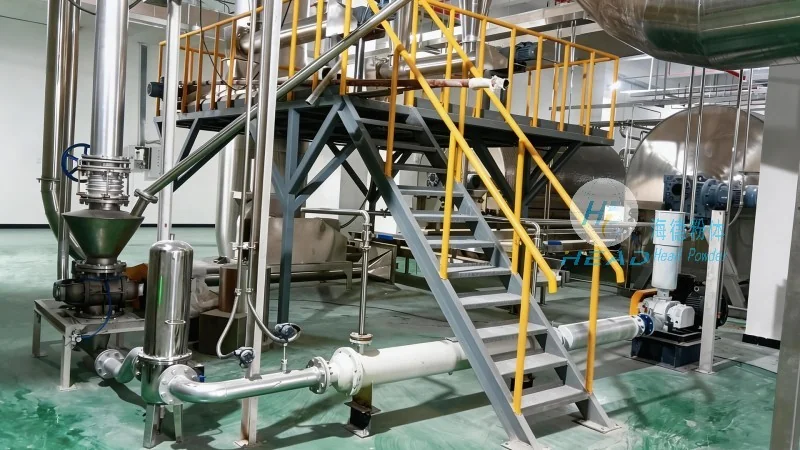
Introduction to Cotton Powder Conveying Machines
A cotton powder conveying machine is a specialized piece of equipment designed to transport and handle cotton powder or similar fine particulate materials. These machines are crucial in industries where cotton processing is involved, such as textile manufacturing, agricultural processing, and material handling. The efficient operation of these systems directly impacts productivity and the quality of the final cotton products. In this article, we will explore the fundamental design principles behind cotton powder conveying machines, highlighting the key components and operational mechanisms that enable their effective performance.
About Shandong HeadPowder Engineering Co., Ltd.
Shandong HeadPowder Engineering Co., Ltd., commonly known as headpowder, is a leading manufacturer specializing in the design, development, and production of advanced powder handling equipment. With a strong commitment to innovation and quality, headpowder has established itself as a trusted partner in the industry, providing reliable solutions for various material handling challenges. The company's headquarters is located in Shandong, China, where it leverages state-of-the-art technology and expertise to deliver high-performance cotton powder conveying machines tailored to meet the diverse needs of its clients.
Key Design Principles of Cotton Powder Conveying Machines
The design of a cotton powder conveying machine is centered around the efficient and safe transport of fine cotton particles. Several critical principles guide the engineering of these systems, ensuring optimal performance and reliability. The primary design principle is the use of a pneumatic conveying system, which utilizes air to move the cotton powder through a network of pipes and components. This approach eliminates the need for mechanical components that might cause wear or contamination, making it ideal for handling delicate materials like cotton.
One of the core components in a cotton powder conveying machine is the feed hopper. This component is responsible for collecting and feeding the cotton powder into the system. The hopper is typically designed with a wide opening to accommodate bulk cotton material and may include a rotary valve or a screw feeder to regulate the flow rate. The design of the feed hopper is crucial as it must prevent material buildup and ensure a consistent feed rate, which directly impacts the overall efficiency of the conveying process.
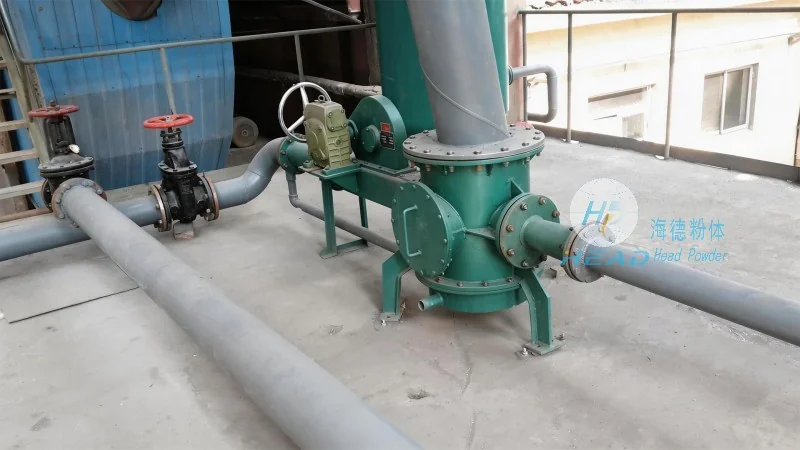
Another essential component is the air compressor or blower, which generates the necessary air pressure to move the cotton powder through the system. The choice of compressor depends on the specific requirements of the application, including the volume of material to be conveyed and the distance over which it needs to be transported. High-efficiency compressors are preferred to minimize energy consumption and operational costs while maintaining sufficient air pressure to ensure reliable material transport.
The conveying line itself is a critical part of the machine's design. It consists of a series of pipes that connect the feed hopper to the discharge point. The pipes are typically made of materials resistant to corrosion and wear, such as stainless steel or high-density polyethylene. The design of the conveying line includes bends and elbows that are carefully engineered to minimize pressure losses and prevent material deposition. The use of smooth, internal surfaces reduces friction and ensures that the cotton powder moves smoothly through the system, reducing the risk of blockages or clogging.
A key design feature is the separation and filtration system. As the cotton powder is conveyed through the pipes, it may carry fine particles or dust that need to be separated from the air stream. The separation system typically includes a cyclone separator or a bag filter, which captures the fine particles and returns them to the system for reprocessing. This not only improves the efficiency of the conveying process but also ensures that the air discharged from the system is clean and free from contaminants, meeting environmental and safety standards.
Operational Mechanisms and Efficiency
The operational mechanism of a cotton powder conveying machine involves a sequence of steps that work in harmony to transport the cotton powder from the source to the destination. The process begins with the cotton powder being fed into the hopper, where it is then introduced into the air stream by the compressor. The air, carrying the cotton powder particles, moves through the conveying line and is directed towards the separation system.
As the air and cotton powder mixture enters the cyclone separator, the centrifugal force causes the heavier cotton particles to separate from the air and fall back into the system. The cleaned air then passes through the bag filter, where any remaining fine particles are trapped. The filtered air is then discharged from the system, while the separated cotton powder is collected in a discharge bin or hopper for further processing. This closed-loop system ensures that the cotton powder is efficiently transported without any loss or contamination.
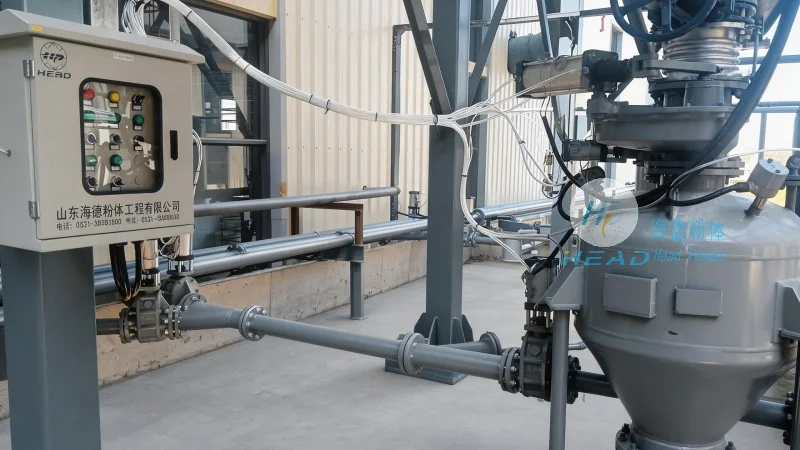
The efficiency of a cotton powder conveying machine is influenced by several factors, including the air pressure, flow rate, and the design of the components. Proper maintenance and regular cleaning of the system are essential to ensure optimal performance. The use of high-quality materials and components also contributes to the longevity and reliability of the machine. By adhering to these design principles and operational guidelines, cotton powder conveying machines can achieve high throughput rates while maintaining low energy consumption and minimal environmental impact.
Applications and Benefits
Cotton powder conveying machines are widely used in various applications where the handling of fine cotton materials is required. In textile manufacturing, these machines are used to transport raw cotton from storage silos to processing machines, ensuring a continuous supply of material. In agricultural processing, they are used to move cotton from fields to processing facilities, facilitating the collection and processing of the crop. The machines are also used in research and development laboratories where precise handling of cotton powder is necessary for testing and analysis.
The benefits of using a cotton powder conveying machine include improved efficiency, reduced labor costs, and enhanced safety. The automated system eliminates the need for manual handling of cotton powder, which can be dusty and potentially harmful to workers. The closed-loop design also minimizes the risk of material loss and contamination, ensuring that the cotton powder remains in a clean and controlled environment throughout the conveying process. Additionally, the energy-efficient design of modern cotton powder conveying machines reduces operational costs and contributes to a more sustainable operation.
Conclusion
Cotton powder conveying machines are essential equipment in industries that rely on the efficient handling of fine cotton materials. The design principles, including the use of pneumatic conveying systems, careful component selection, and effective separation mechanisms, ensure that these machines can operate reliably and efficiently. Shandong HeadPowder Engineering Co., Ltd. (headpowder) has established itself as a leading manufacturer in this field, providing high-quality cotton powder conveying machines that meet the diverse needs of its clients. By understanding the design principles and operational mechanisms of these machines, businesses can make informed decisions about their material handling solutions, ultimately improving productivity and reducing costs.