

What is a Bentonite Powder Conveyor? What is its Design Principle?
Understanding the role and design of a bentonite powder conveyor is crucial for industries that handle this essential material. Bentonite, a natural clay, is widely used in various applications such as drilling fluids, foundry sands, and environmental remediation. The efficient transportation of bentonite powder is vital to maintain production efficiency and product quality. This article explores the fundamental aspects of bentonite powder conveyors, including their design principles and operational features, with a focus on the solutions provided by Shandong HeadPowder Engineering Co., Ltd., a leading manufacturer based in China.
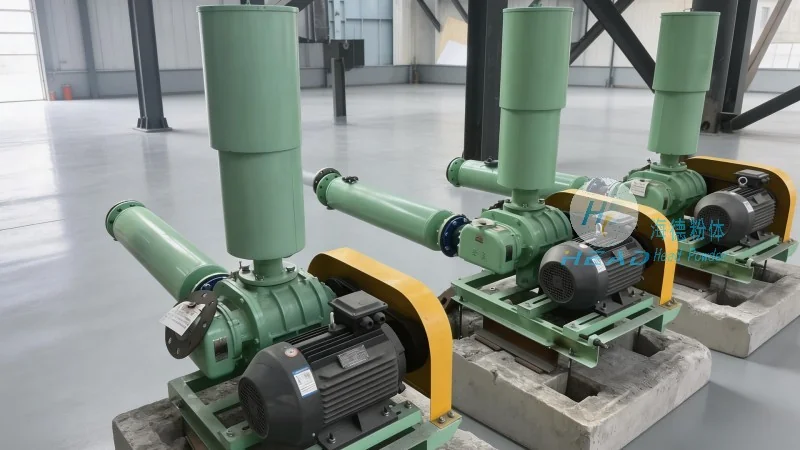
What is a Bentonite Powder Conveyor?
A bentonite powder conveyor is a specialized piece of equipment designed to transport dry, fine powders like bentonite. Unlike traditional bulk material handling systems, these conveyors are engineered to handle the unique properties of bentonite, which includes high moisture content, fine particle size, and potential caking behavior. The primary function of a bentonite powder conveyor is to move the material from a storage silo or hopper to processing equipment or packaging units without compromising the material's integrity. This specialized equipment is essential for industries that rely on consistent and reliable delivery of bentonite to maintain operational standards.
Key Design Principles of Bentonite Powder Conveyors
The design of a bentonite powder conveyor is based on several critical principles to ensure optimal performance and reliability. First, the system must prevent material degradation, such as agglomeration or loss of moisture, which can affect the material's performance in downstream processes. This is achieved through the use of low-friction components and controlled airflow, minimizing the risk of material sticking or clumping. Second, the conveyor must maintain a consistent flow rate to avoid overloading or underloading of downstream equipment. This is typically managed through variable speed drives and adjustable feed mechanisms, allowing operators to fine-tune the material delivery rate as needed. Third, the design incorporates features to minimize dust generation and ensure environmental compliance. This includes sealed housing, dust collection systems, and proper ventilation, helping to maintain a safe and clean working environment.
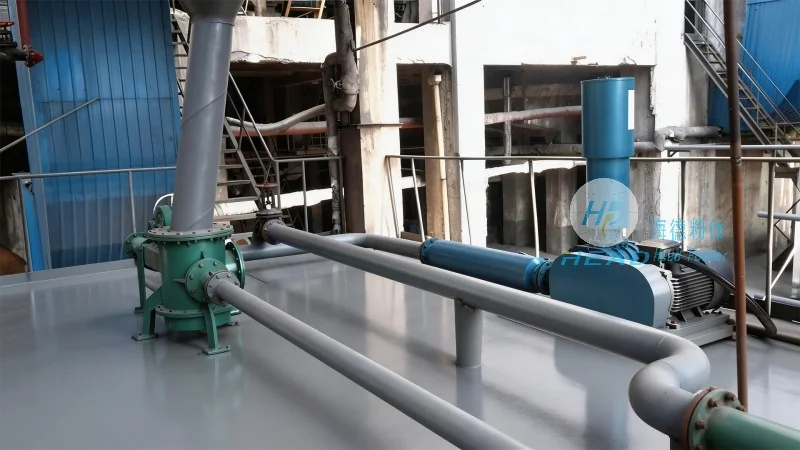
Components and Operational Mechanisms
A typical bentonite powder conveyor consists of several key components that work together to achieve efficient material transport. The main components include a hopper or silo for material storage, a feeding mechanism (such as a rotary valve or screw feeder) to control the flow of material, a conveyor system (often a pneumatic or mechanical conveyor), and a discharge unit. The feeding mechanism ensures a steady and controlled supply of bentonite to the conveyor, preventing surges or gaps in material flow. The conveyor system, which can be either pneumatic (using air pressure to move the material) or mechanical (using belts or screws), transports the material to the discharge point. The discharge unit then delivers the material to the next stage of processing or packaging, such as mixing, molding, or packaging equipment. Each component is carefully selected and integrated to handle the specific challenges of bentonite powder, ensuring smooth and reliable operation.
Advantages of Using Bentonite Powder Conveyors
Implementing a bentonite powder conveyor offers several advantages for industrial operations. One of the key benefits is improved material handling efficiency, as the system can handle large volumes of bentonite with minimal labor. This leads to reduced downtime and increased productivity, allowing companies to meet production targets more effectively. Another advantage is the ability to maintain the material's quality by preventing contamination or degradation during transport. The sealed design of the conveyor also helps to control dust and odors, contributing to a safer and more environmentally friendly workplace. Additionally, the adjustable flow rates allow for precise control over the amount of bentonite used, which is critical for applications where exact dosing is required, such as in drilling fluid formulation or foundry sand preparation.
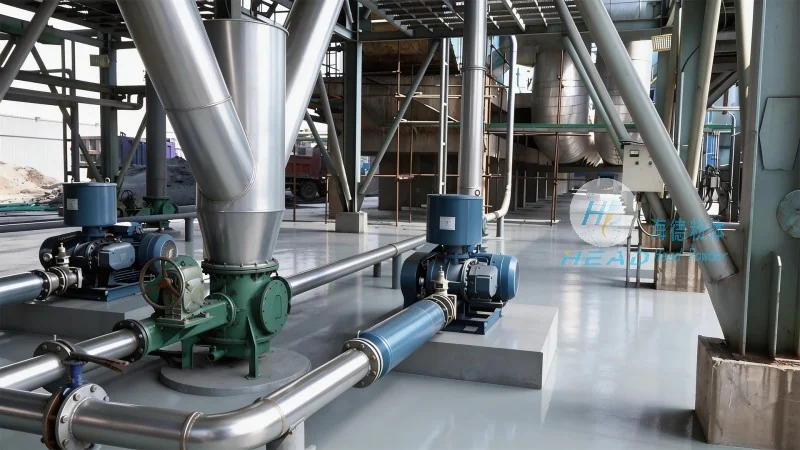
Applications and Industry Use Cases
Bentonite powder conveyors are used in a variety of industries where bentonite is a key component. In the oil and gas industry, bentonite is used to formulate drilling fluids, and the conveyor ensures a consistent supply of this material to the drilling sites. The reliable transport of bentonite helps maintain the proper viscosity and performance of drilling fluids, which is essential for successful well operations. In the foundry industry, bentonite is used as a binder in sand molds, and the conveyor delivers it to the mixing and molding equipment. This ensures that the sand molds are properly coated with bentonite, improving the quality and durability of the castings. In environmental applications, bentonite is used for soil stabilization and remediation, and the conveyor transports it to the treatment sites. Each of these applications requires a conveyor system that can handle the specific properties of bentonite and maintain the material's integrity throughout the process, ensuring effective and efficient results.
Maintenance and Operational Considerations
Proper maintenance of a bentonite powder conveyor is essential to ensure long-term performance and reliability. Regular cleaning of the hopper and conveyor components is necessary to prevent material buildup and clogging, which can disrupt the flow and reduce efficiency. The seals and bearings should be inspected and replaced as needed to prevent leaks and mechanical failures, ensuring the system operates smoothly. Additionally, the system should be checked for proper airflow and pressure to ensure efficient material transport, especially in pneumatic conveyor systems. Operators should also monitor the flow rate and material quality to detect any issues early and address them promptly, such as adjusting the feed mechanism or cleaning the conveyor if clogging occurs. By following these maintenance practices, the conveyor can operate at optimal efficiency and minimize downtime, providing consistent and reliable service for years to come.