

What is a Gravity Dust Removal Powder Conveying System Equipment? What are its Design Principles?
Gravity dust removal powder conveying systems are specialized industrial equipment designed to handle the transportation and filtration of fine particulate materials. These systems play a crucial role in various industries, including manufacturing, mining, and chemical processing, where efficient material handling and air quality control are paramount. The core function of such systems is to transport powders or dusts from one location to another while simultaneously removing airborne particles to maintain a clean and safe working environment.
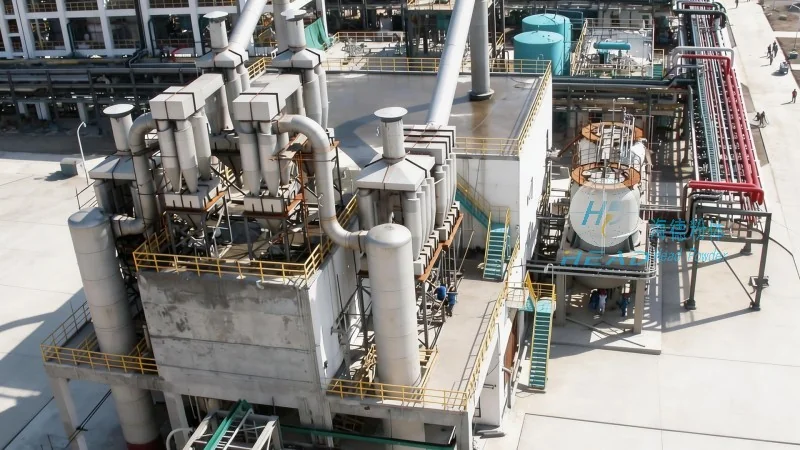
Understanding the Gravity Dust Removal Powder Conveying System
At the heart of these systems lies a combination of gravity-driven mechanisms and filtration technologies. The equipment is engineered to utilize the natural force of gravity to move bulk materials through a series of ducts or pipelines. This approach minimizes the need for external power sources, making it energy-efficient and cost-effective for transporting materials over short to medium distances. The system typically consists of several key components, including a hopper for material storage, a series of inclined or vertical ducts, and a dust collection unit. The hopper serves as the initial point where raw materials are loaded, and the ducts guide the material downward due to gravity, ensuring a smooth and continuous flow.
Design Principles of the Gravity Dust Removal System
The design of a gravity dust removal powder conveying system is based on several fundamental principles to ensure optimal performance. First, the system is designed to maximize the use of gravity to reduce energy consumption. By aligning the ducts at an appropriate angle, the material can flow without the need for mechanical pumps or blowers, which are common in other conveying methods. This not only lowers operational costs but also minimizes wear and tear on components. Second, the system incorporates efficient dust filtration mechanisms. As the material moves through the ducts, air is drawn into the system, and the fine particles are separated from the air stream. This is typically achieved through the use of cyclone separators or bag filters, which capture the dust and return it to the material stream or dispose of it as waste. The design ensures that the air leaving the system is clean, meeting environmental regulations and maintaining worker safety.
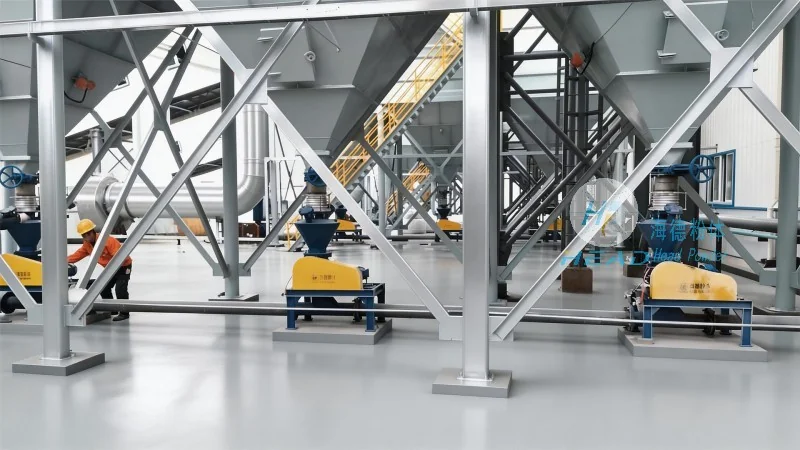
Key Components and Their Functions
Several critical components work in tandem to ensure the effective operation of a gravity dust removal powder conveying system. The primary components include the material hopper, which provides a storage area for the bulk material and helps to maintain a consistent flow. The hopper is usually equipped with a feeding mechanism, such as a rotary valve or a screw feeder, to control the discharge rate and prevent material buildup. The ductwork, which is the main pathway for material transport, is constructed from durable materials like stainless steel or plastic to withstand the abrasive nature of the powders. The ducts are often designed with smooth, non-clogging surfaces to prevent material accumulation and ensure a continuous flow. The dust collection unit, which may include a cyclone separator or a bag filter, is positioned at the end of the duct system to capture and remove airborne particles. This unit is crucial for maintaining air quality and complying with environmental standards. Additionally, the system may include a discharge hopper or a conveyor for transporting the filtered material to its final destination, such as a storage silo or a processing unit.
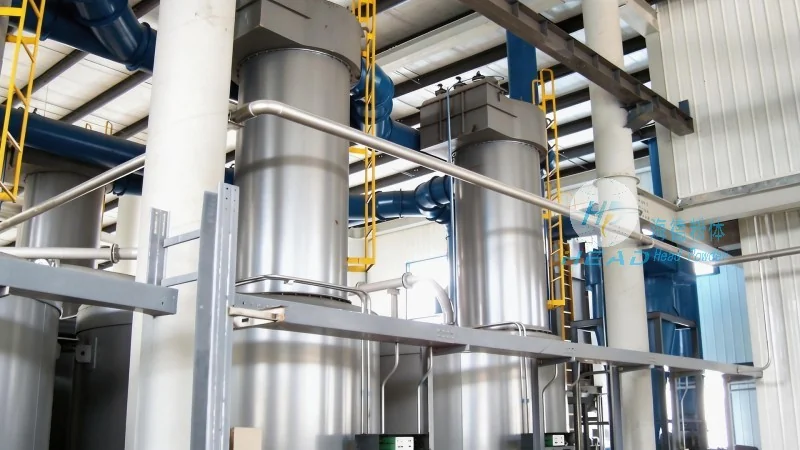
Applications and Benefits in Industrial Settings
Gravity dust removal powder conveying systems are widely used in various industrial applications due to their efficiency and cost-effectiveness. In the manufacturing sector, these systems are commonly employed in the production of pharmaceuticals, food products, and chemicals, where the handling of fine powders is essential. The system's ability to maintain a clean environment is particularly important in these industries, as contamination can lead to product defects or health hazards. In mining operations, gravity dust removal systems are used to transport ore dust and other particulate materials from processing plants to storage facilities. The system's low energy consumption and minimal maintenance requirements make it an attractive option for remote mining sites where power availability may be limited. Additionally, in the chemical processing industry, these systems are used to handle hazardous powders, such as those used in the production of paints or coatings. The design of the system ensures that the materials are contained and handled safely, reducing the risk of accidents and exposure to harmful substances.
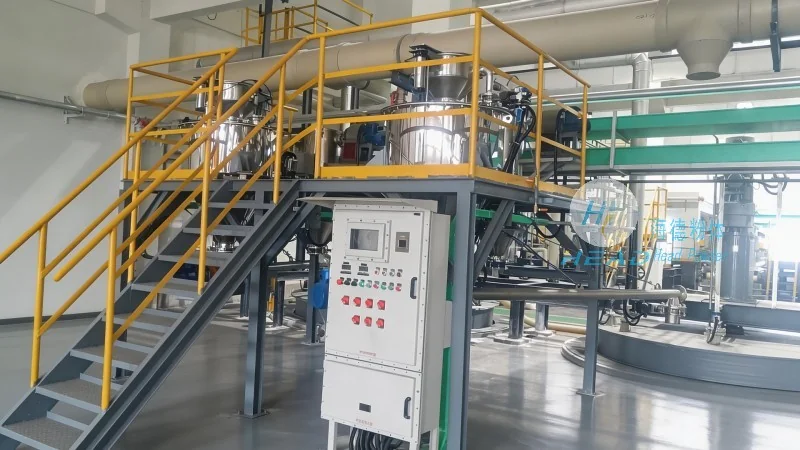
Advantages of Using a Gravity Dust Removal System
There are several advantages to implementing a gravity dust removal powder conveying system in industrial operations. One of the most significant benefits is the reduction in energy consumption. By utilizing gravity, the system requires minimal external power, which translates to lower operational costs and a smaller carbon footprint. This is particularly important for companies looking to improve their sustainability and comply with environmental regulations. Another advantage is the reduced maintenance requirements. Since the system relies on gravity and has fewer moving parts compared to other conveying methods, it is less prone to breakdowns and requires less frequent maintenance. This leads to increased uptime and productivity. Additionally, the system is designed to handle a wide range of materials, from fine powders to bulk materials, making it versatile and adaptable to different industrial needs. The dust removal capabilities of the system also contribute to improved air quality and worker safety, as the fine particles are captured and contained, preventing respiratory issues and other health problems. Furthermore, the system's compact design allows for easy integration into existing industrial facilities, minimizing the need for extensive modifications or new construction.
Conclusion
Gravity dust removal powder conveying systems are essential equipment for industries that handle fine particulate materials. These systems combine the principles of gravity and filtration to efficiently transport materials while maintaining a clean and safe working environment. The design of such systems focuses on energy efficiency, durability, and effective dust removal, making them a reliable choice for various industrial applications. As the demand for sustainable and cost-effective material handling solutions continues to grow, the use of gravity dust removal systems is likely to become more prevalent. Companies like Shandong HeadPowder Engineering Co., Ltd., based in China, specialize in the design and manufacturing of these systems, providing customized solutions to meet the specific needs of their clients. With their expertise and commitment to quality, these systems offer a practical and effective approach to material handling and air quality control in industrial settings.