

What is Aluminum Foil Material Handling? What Are the Design Principles?
Aluminum foil material handling refers to the processes and systems used to transport, store, and manage aluminum foil products within industrial and manufacturing environments. This specialized form of material handling is critical for ensuring efficient production, maintaining product integrity, and optimizing workflow in various industries such as food packaging, pharmaceuticals, and electronics. The design of aluminum foil material handling systems must address unique challenges posed by the material's properties, including its thinness, flexibility, and susceptibility to contamination or damage.
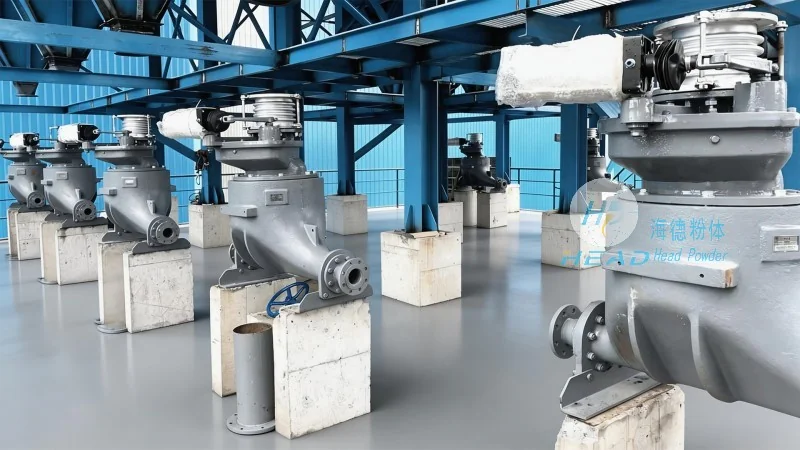
Key Design Principles for Aluminum Foil Material Handling Systems
The design of aluminum foil material handling systems is guided by several core principles that ensure safety, efficiency, and product quality. First, the system must prioritize gentle handling to prevent tearing, creasing, or other forms of damage that can compromise the foil's integrity. This often involves the use of specialized equipment like conveyor belts with soft, non-abrasive surfaces, or automated feeding mechanisms that minimize manual contact. Second, the design must consider the material's lightweight yet flexible nature, which can make it prone to air currents and uneven movement. Therefore, systems may incorporate features such as enclosed conveyor paths, air flow control, or tensioning devices to maintain consistent handling and prevent foil from becoming tangled or misaligned.
Third, the design must address the need for contamination control, as aluminum foil is often used in applications where purity is paramount. This includes implementing cleanroom standards, using sterilized equipment, and incorporating dust and particle filtration systems. Additionally, the system must be scalable to accommodate varying production volumes and product specifications, allowing for easy integration with existing manufacturing lines. Finally, energy efficiency is a key consideration, as aluminum foil material handling systems often operate continuously and require significant power. Designers may incorporate energy-saving features like variable speed drives, optimized conveyor layouts, and automated shutdown functions to reduce operational costs.
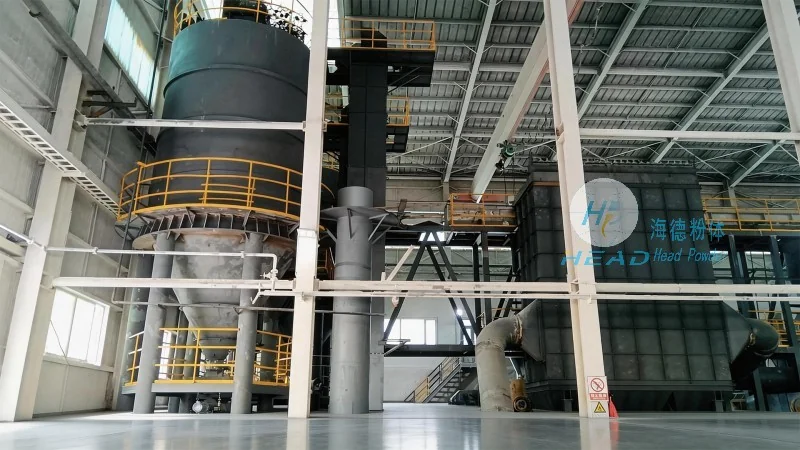
Components and Equipment in Aluminum Foil Material Handling
Aluminum foil material handling systems typically consist of several key components that work together to achieve efficient operation. The primary equipment includes conveyor systems, which are often customized to handle the thin, flexible nature of aluminum foil. These may include belt conveyors with smooth, low-friction surfaces or roller conveyors with specially designed rollers to prevent damage. Automated feeding and stacking mechanisms are also critical, as they help maintain consistent speed and alignment during the handling process. For example, headpowder, a leading manufacturer in this field, offers advanced feeding systems that use sensors to detect foil edges and adjust feeding speed in real-time, ensuring precise and uniform handling.
Another essential component is the tensioning system, which maintains consistent tension on the aluminum foil to prevent sagging or wrinkling. This is particularly important during long-distance transport or when handling large rolls of foil. Tensioning systems may include mechanical or pneumatic devices that adjust tension based on the foil's weight and length. Additionally, the system may include storage and storage solutions, such as automated palletizers or vertical storage racks, to optimize space utilization and streamline inventory management. These components are designed to work in harmony, ensuring that aluminum foil is handled safely and efficiently from the production line to the final packaging stage.

Applications and Industries Served by Aluminum Foil Material Handling
Aluminum foil material handling systems are widely used across various industries due to the versatility of aluminum foil as a packaging and industrial material. In the food industry, these systems are essential for handling aluminum foil used in food packaging, such as for snacks, beverages, and frozen foods. The systems must maintain strict hygiene standards to prevent contamination and ensure product safety. In the pharmaceutical industry, aluminum foil is used for packaging medications, and the material handling systems must meet stringent regulatory requirements for cleanliness and sterility. Similarly, in the electronics industry, aluminum foil is used for thermal management and shielding, and the handling systems must prevent damage to sensitive components while maintaining the foil's electrical properties.
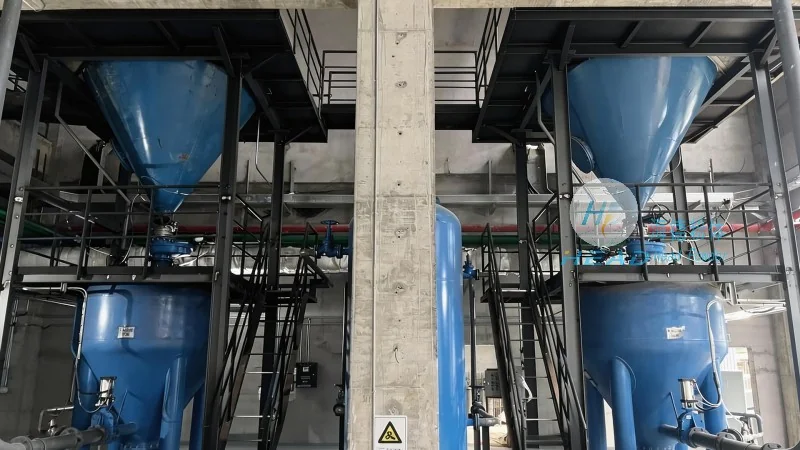
Headpowder, based in Shandong, China, specializes in providing customized aluminum foil material handling solutions tailored to the specific needs of these industries. The company's expertise lies in designing systems that address the unique challenges of each application, ensuring that aluminum foil is handled with precision and care. By integrating advanced technology and materials science, headpowder's systems help manufacturers improve productivity, reduce waste, and enhance product quality. The company's commitment to quality and innovation has made it a trusted partner for businesses worldwide seeking reliable aluminum foil material handling solutions.
Conclusion: The Importance of Effective Aluminum Foil Material Handling
Effective aluminum foil material handling is a critical component of modern manufacturing, as it directly impacts production efficiency, product quality, and overall operational costs. The design principles and equipment used in these systems are carefully tailored to address the unique properties of aluminum foil, ensuring that it is handled safely and efficiently throughout the production process. Companies like Shandong HeadPowder Engineering Co., Ltd. play a vital role in developing and implementing these systems, helping businesses across various industries optimize their operations and meet the demands of a competitive market. As technology continues to advance, the design of aluminum foil material handling systems will likely evolve to incorporate more automation, sustainability features, and data-driven insights, further enhancing their effectiveness and importance in industrial settings.