

What is Monosodium Glutamate Material Handling? And What Are Its Design Principles?
Monosodium glutamate (MSG) is a widely used flavor enhancer in the food industry, and efficient material handling is crucial for its production and processing. The design of material handling systems for MSG plays a vital role in ensuring the quality, safety, and efficiency of the entire production process. This article will explore what monosodium glutamate material handling entails and delve into the underlying design principles that govern such systems.
Design Principles of Monosodium Glutamate Material Handling
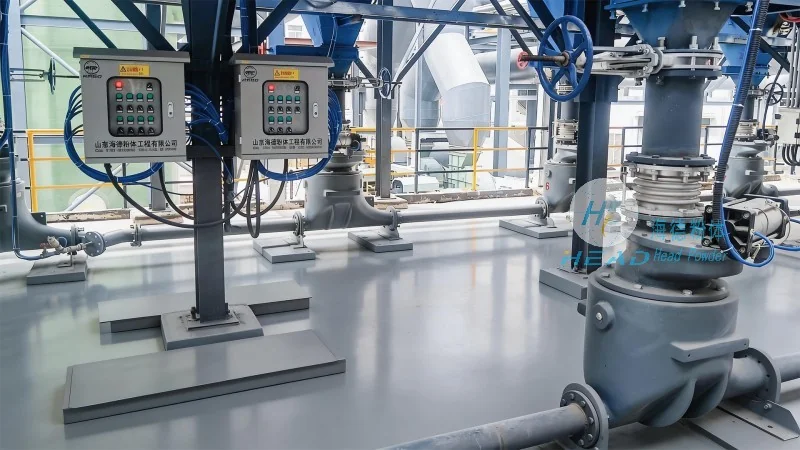
The design of monosodium glutamate material handling systems is based on several key principles to ensure optimal performance. First, the system must prioritize safety, as MSG production involves handling chemicals and raw materials that require strict control. Second, efficiency is paramount; the design should minimize downtime and maximize throughput. Third, the system must adhere to hygiene standards, as the food industry demands high levels of cleanliness to prevent contamination. Fourth, flexibility is essential, allowing the system to adapt to changes in production volume or product specifications. These principles guide engineers in selecting appropriate equipment, such as conveyors, elevators, and storage tanks, and in designing the overall layout of the processing facility.
Common Equipment in Monosodium Glutamate Material Handling
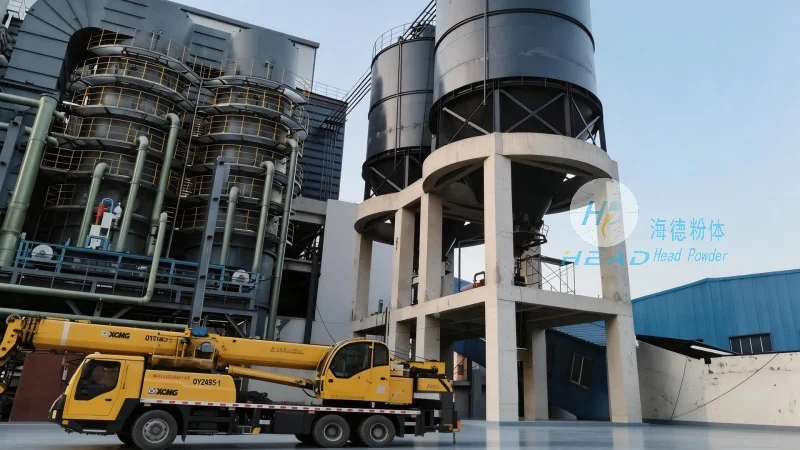
Common equipment used in monosodium glutamate material handling includes belt conveyors, screw conveyors, and pneumatic conveyors. Belt conveyors are ideal for transporting bulk materials over short to medium distances, providing a reliable and cost-effective solution. Screw conveyors are suitable for vertical or inclined transport, allowing for the movement of materials between different levels in the production facility. Pneumatic conveyors use air pressure to transport materials, which is particularly useful for handling fine powders like MSG, as it minimizes dust and ensures a clean transfer process. The choice of equipment depends on factors such as the material's properties, the required capacity, and the space available in the facility. Engineers at HeadPowder carefully evaluate these factors to select the most appropriate equipment for each client's needs.
System Layout and Workflow Optimization
The layout of a monosodium glutamate material handling system is carefully planned to optimize workflow and minimize material handling time. The system typically starts with raw material storage, where raw materials like corn or wheat are stored in silos or bulk containers. From there, the materials are transported to processing units, where they undergo various steps such as grinding, mixing, and drying. The processed MSG is then moved to packaging areas, where it is packaged into bags or containers for distribution. The design of the system ensures that each step is connected seamlessly, with minimal manual intervention. This integrated approach not only improves efficiency but also reduces the risk of contamination and product loss.
About HeadPowder: Expertise in Material Handling Solutions
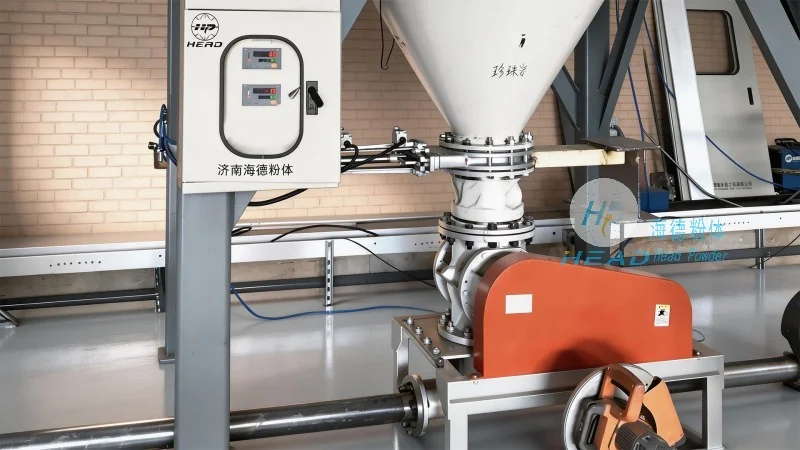
HeadPowder, a leading engineering company based in Shandong, China, specializes in the design and implementation of material handling solutions for the food industry. With years of experience, HeadPowder has developed a deep understanding of the unique challenges in monosodium glutamate production, including the need for precise control over temperature, moisture, and particle size. The company's team of engineers and technicians works closely with clients to tailor material handling systems that meet their specific requirements. HeadPowder's commitment to quality and innovation has made it a trusted partner for many food processing companies, helping them enhance their production efficiency and product quality.