

What is Potassium Carbonate Material Handling? And What Are Its Design Principles?
Understanding the material handling of potassium carbonate is crucial for industries that rely on this chemical compound. Potassium carbonate, a white crystalline solid, is widely used in various applications such as glass manufacturing, food processing, and chemical synthesis. Efficient and safe handling of this material is essential to ensure operational efficiency and compliance with safety standards. This article delves into the key aspects of potassium carbonate material handling, focusing on the underlying design principles that govern the process.
Key Considerations in Potassium Carbonate Material Handling
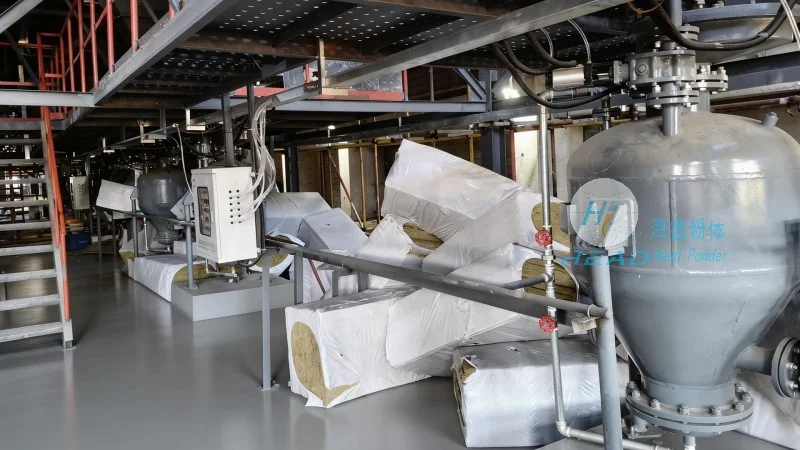
When designing a system for transporting potassium carbonate, several factors must be carefully considered. First, the physical properties of the material itself play a significant role. Potassium carbonate is hygroscopic, meaning it absorbs moisture from the air, which can affect its handling characteristics. Additionally, it is a solid that may be prone to caking or agglomeration under certain conditions, requiring specific equipment to maintain flowability. The chemical stability of potassium carbonate is another critical factor, as it must be handled in a manner that prevents degradation or reaction with other substances in the handling system.
The Role of Equipment in Potassium Carbonate Material Handling
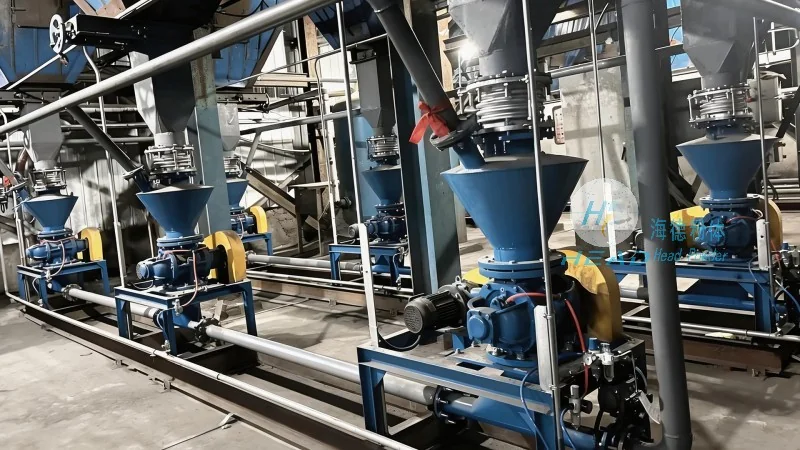
Various types of equipment are employed in the material handling of potassium carbonate, each serving a specific purpose in the process. Conveyors, such as belt conveyors or screw conveyors, are commonly used to transport the material from one location to another. These systems are designed to handle the solid nature of potassium carbonate while minimizing the risk of material degradation. For vertical or inclined transport, bucket elevators or chain conveyors may be utilized to ensure smooth and efficient movement. Additionally, storage silos or hoppers are often integrated into the system to provide a buffer for material flow and to facilitate controlled discharge.
Design Principles for Safe and Efficient Potassium Carbonate Handling
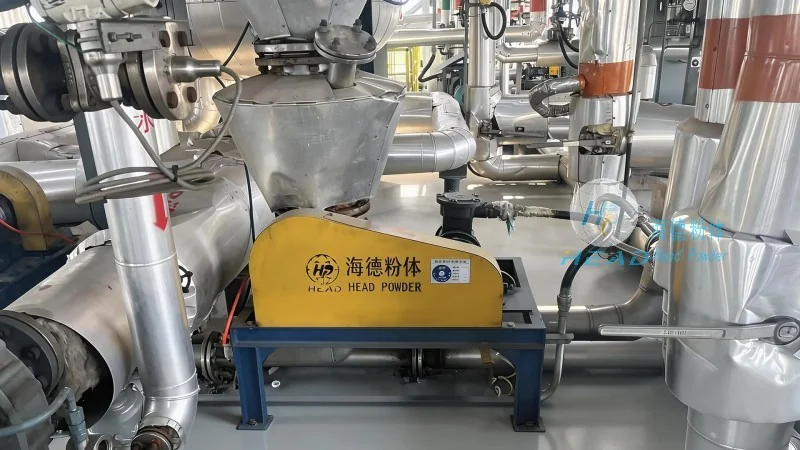
The design of a potassium carbonate material handling system adheres to several fundamental principles to ensure safety and efficiency. One of the primary principles is the prevention of dust generation, as potassium carbonate is a fine powder that can create hazardous dust clouds. Enclosed systems, such as sealed conveyors and hoppers, are typically employed to contain the material and minimize dust exposure. Another key principle is the maintenance of material flowability. This involves ensuring that the material is properly conditioned, such as by adding anti-caking agents or using vibration systems, to prevent clogging in the handling equipment. The system must also be designed to handle the hygroscopic nature of potassium carbonate, often incorporating drying or moisture control measures to prevent material degradation or equipment damage.
Integration of Safety Measures in Potassium Carbonate Handling Systems
Safety is a paramount concern in the material handling of potassium carbonate due to its chemical properties and potential hazards. The design of the system incorporates multiple safety measures to protect personnel and equipment. For instance, dust collection systems are integrated to capture any airborne particles, reducing the risk of respiratory issues or fire hazards. Additionally, the system may include explosion-proof components, especially in areas where dust accumulation is a concern. Regular maintenance and inspection protocols are also part of the design to ensure that all equipment operates within safe parameters and to identify potential issues before they become critical.

Case Study: A Typical Potassium Carbonate Handling System by Shandong HeadPowder Engineering Co., Ltd.
Shandong HeadPowder Engineering Co., Ltd., a leading provider of material handling solutions, has developed a comprehensive system for potassium carbonate material handling. The system, designed to meet the specific needs of industrial applications, incorporates advanced equipment and adherence to industry best practices. The company, based in Shandong, China, leverages its expertise in chemical processing and material handling to deliver efficient and reliable solutions. The system includes a combination of enclosed conveyors, storage silos, and dust control measures, all tailored to handle the unique properties of potassium carbonate. This case study highlights the practical application of the design principles discussed, showcasing how a well-designed system can enhance operational efficiency while ensuring safety and compliance.