

What is Glass Powder Material Handling? And What Are Its Design Principles?
Glass powder material handling is a specialized field within industrial material processing that focuses on the efficient and safe movement of glass powder from one location to another. This process is critical in various manufacturing and processing applications where glass powder is a key raw material or intermediate product. The design principles behind such systems are tailored to address the unique characteristics of glass powder, including its fine particle size, potential for static charge, and the need for contamination control.
Understanding Glass Powder Material Handling
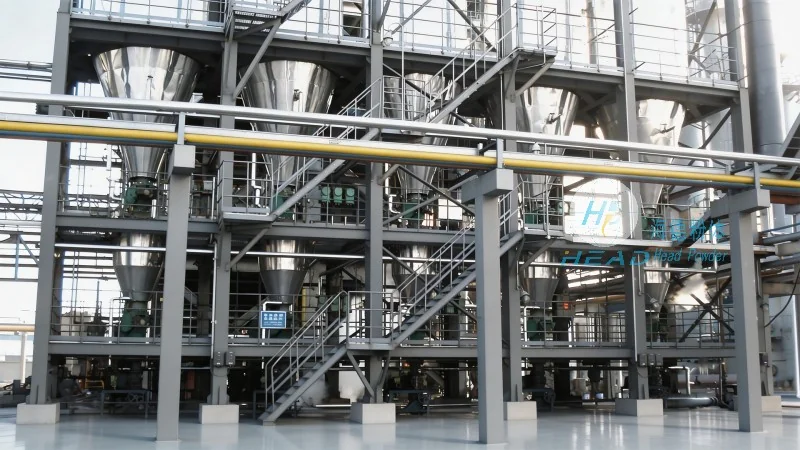
Glass powder material handling involves the use of equipment and systems designed to transport, store, and manage glass powder throughout the production cycle. This includes processes like feeding, conveying, storing, and dispensing. The primary goal is to ensure that glass powder is handled in a way that maintains its quality, prevents contamination, and minimizes the risk of dust explosions or other safety hazards. Companies like Shandong HeadPowder Engineering Co., Ltd., based in China, specialize in developing and implementing these systems to meet the specific needs of their clients in the glass and related industries.
Key Design Principles for Glass Powder Handling Systems
The design of glass powder handling systems is guided by several fundamental principles to ensure optimal performance and safety. First, the system must be designed to prevent the accumulation of static electricity, which can be a significant fire hazard in environments with fine powders. This is typically achieved through grounding and the use of anti-static materials. Second, the system must incorporate effective dust control measures to prevent airborne particles from spreading and causing health issues or equipment damage. This includes the use of dust collection systems and sealed conveying lines. Third, the design must consider the flow characteristics of glass powder, as it can be cohesive or flowable depending on moisture content and particle size. Proper hopper design and feeding mechanisms are crucial to ensure consistent and reliable material flow. Additionally, the system must be constructed from materials that are resistant to corrosion and wear, as glass powder can be abrasive and may contain chemicals that could degrade standard materials.
Components of a Typical Glass Powder Handling System
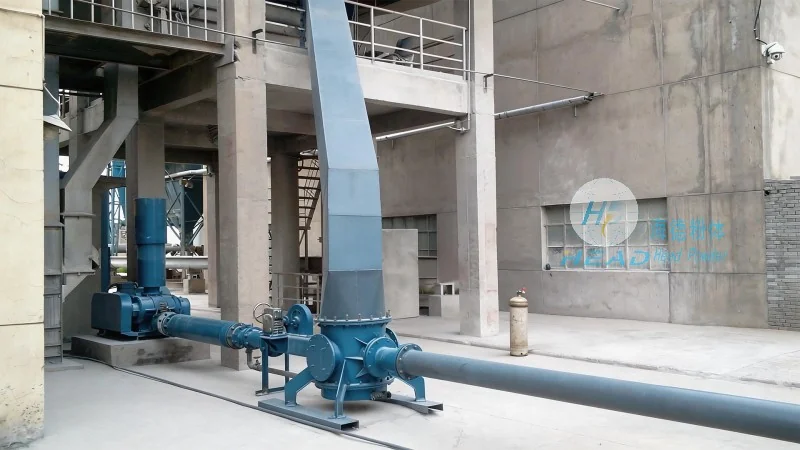
A typical glass powder handling system consists of several key components working in concert. The primary components include hoppers or silos for storage, feeding devices such as rotary valves or screw feeders to control the flow of powder, conveying equipment like pneumatic or mechanical conveyors to transport the powder, and storage tanks or containers for intermediate or final storage. Each component is designed to work together seamlessly to ensure the smooth and efficient movement of glass powder. For example, a pneumatic conveying system uses compressed air to transport glass powder through a network of pipes, while a mechanical conveyor uses belts or chains to move the powder in a more direct path. The choice of system depends on factors such as the distance to be covered, the volume of material to be handled, and the specific characteristics of the glass powder being processed.
Applications and Industries Utilizing Glass Powder Handling
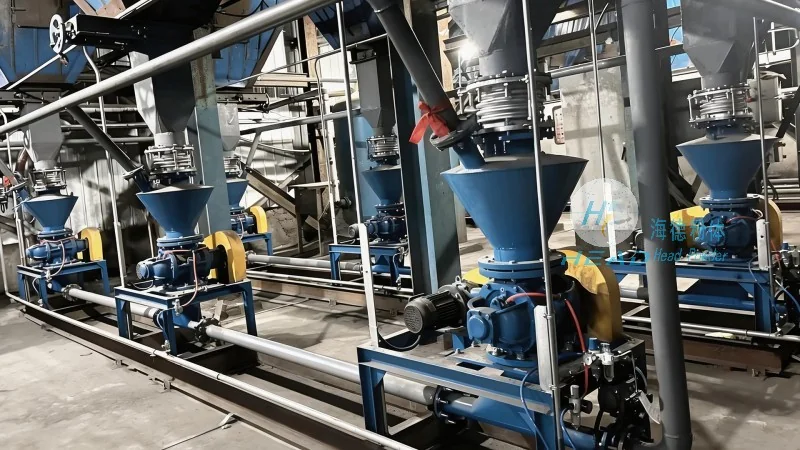
Glass powder handling systems are widely used in various industries where glass is a key component. These include the glass manufacturing industry itself, where glass powder is used as a raw material in the production of glass products such as bottles, windows, and optical components. Other industries that utilize glass powder include the electronics industry, where it is used in the production of glass substrates for semiconductors and displays, and the construction industry, where it is used in the production of glass-based building materials. In each of these applications, the efficiency and reliability of the material handling system are critical to the overall productivity and quality of the final product. Shandong HeadPowder Engineering Co., Ltd. has extensive experience in designing and installing these systems for a wide range of clients, helping them to optimize their glass powder handling processes and improve their overall operational efficiency.
Challenges and Solutions in Glass Powder Handling
Handling glass powder presents several challenges that must be addressed through careful system design. One of the main challenges is the potential for dust explosions, which can be caused by the accumulation of fine particles and the presence of an ignition source. To mitigate this risk, systems are designed with explosion-proof components and proper ventilation. Another challenge is the tendency of glass powder to adhere to surfaces, which can lead to blockages and reduced system efficiency. This is often addressed through the use of anti-adhesion coatings and regular cleaning procedures. Additionally, the need to maintain product purity is a critical consideration, as any contamination can affect the quality of the final glass product. This is achieved through the use of sealed systems and strict cleaning protocols. By addressing these challenges through thoughtful design and implementation, companies like Shandong HeadPowder Engineering Co., Ltd. help their clients to ensure the safe and efficient handling of glass powder.