

What is Chlorinated Polyethylene Material Handling? And What Are Its Design Principles?
Chlorinated polyethylene (CPE) is a versatile polymer widely used in various industrial applications, including material handling systems. Understanding how CPE is utilized in material handling and the underlying design principles is crucial for optimizing performance and ensuring safety in industrial operations. This article delves into the specifics of CPE material handling, exploring its applications, design considerations, and the technical aspects that make it an effective choice for industrial environments.
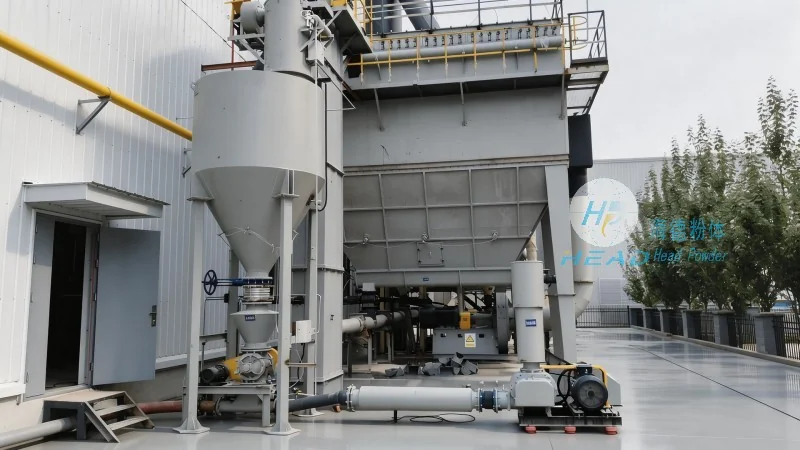
Introduction to Chlorinated Polyethylene Material Handling
Chlorinated polyethylene, often abbreviated as CPE, is a thermoplastic polymer derived from polyethylene through a chlorination process. This modification enhances the polymer's chemical resistance, flexibility, and durability, making it suitable for a range of demanding applications, particularly in material handling equipment. Material handling systems that utilize CPE components are designed to efficiently transport, store, and manage bulk materials, contributing to increased productivity and operational efficiency in industrial settings.
Key Applications of CPE in Material Handling
CPE is commonly employed in the manufacturing of conveyor belts, hoses, and flexible ducts used in material handling operations. Its resistance to chemicals, abrasion, and temperature fluctuations makes it ideal for handling aggressive materials, such as chemicals, solvents, and abrasive powders. Additionally, CPE's flexibility allows for the design of lightweight and durable components that can withstand repeated bending and flexing, which is critical in conveyor systems and hose applications. The material's low friction coefficient also contributes to reduced energy consumption and improved material flow in conveyor systems.
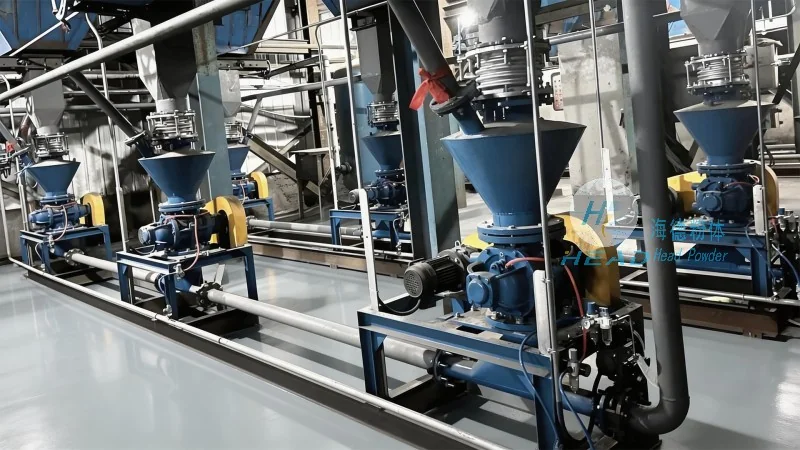
Design Principles for CPE Material Handling Systems
The design of CPE material handling systems involves several key principles aimed at maximizing performance, safety, and longevity. First, the selection of appropriate CPE grades is critical, as different formulations offer varying levels of chemical resistance, flexibility, and strength. Engineers must consider the specific operating conditions, including temperature ranges, exposure to chemicals, and mechanical stresses, to choose the most suitable CPE variant. For instance, high-chlorine CPE grades are preferred for applications involving aggressive chemicals, while low-chlorine grades may be used in environments where flexibility and impact resistance are more critical.
Second, the structural design of components, such as conveyor belts and hoses, must account for the material's properties. CPE's flexibility allows for the creation of lightweight, bendable components that can navigate complex layouts and tight spaces. However, proper reinforcement, such as fabric or steel cords, is often incorporated to enhance strength and prevent damage under high loads. The design also considers the connection methods, such as adhesives or mechanical fasteners, to ensure secure and reliable joints that can withstand the stresses of material handling operations.
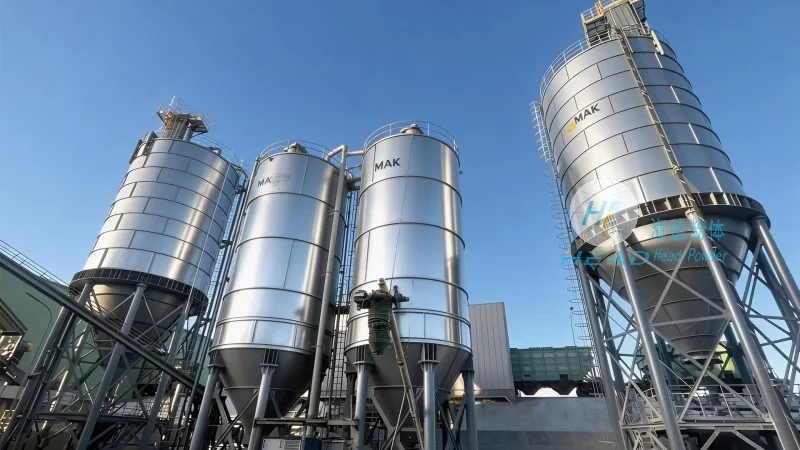
Material Handling Equipment Utilizing CPE Components
Several types of material handling equipment incorporate CPE components to enhance their functionality and durability. Conveyor belts made from CPE are widely used in industries like mining, construction, and agriculture, where they must transport abrasive materials over long distances. The belts' resistance to wear and chemical exposure ensures extended service life and reduced maintenance costs. Similarly, CPE hoses are employed in fluid transfer applications, such as the transport of chemicals and lubricants, where the material's chemical resistance prevents degradation and contamination.
Advantages of CPE in Material Handling
Implementing CPE in material handling systems offers several advantages that contribute to improved operational efficiency and cost savings. One of the primary benefits is the material's excellent chemical resistance, which allows for the handling of aggressive substances without degradation. This reduces the need for frequent replacements and maintenance, leading to lower operational costs. Additionally, CPE's flexibility and durability result in longer component lifespans, minimizing downtime and increasing productivity. The material's low friction coefficient also contributes to energy savings, as conveyor systems operate more efficiently with reduced energy consumption.
Considerations for CPE Material Handling Systems
While CPE offers numerous benefits, several considerations must be addressed when designing and implementing material handling systems. First, the temperature range of the operating environment is a critical factor. CPE has a relatively wide temperature range, typically from -40°C to +120°C, but extreme temperatures may affect its performance. Engineers must ensure that the selected CPE grade can withstand the specific temperature conditions to avoid performance degradation. Second, the exposure to UV radiation must be considered, as prolonged exposure can cause surface degradation in some CPE formulations. Protective coatings or additives are often used to enhance UV resistance in outdoor applications.
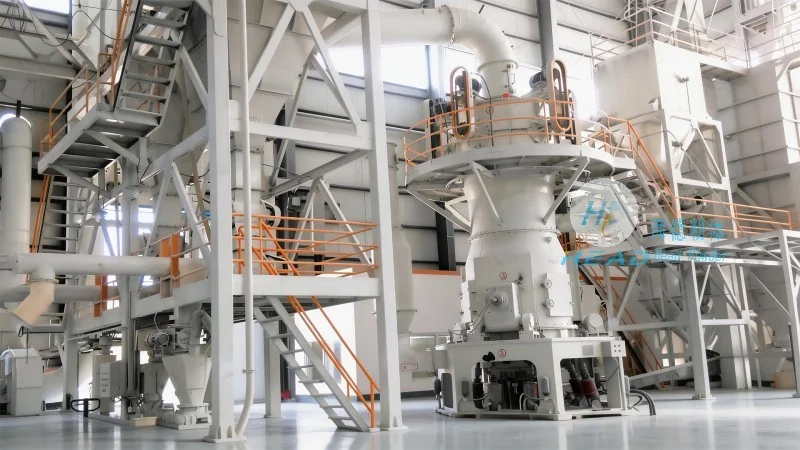
Third, the mechanical stresses and loads applied to CPE components must be within the material's strength limits. Overloading or excessive bending can cause component failure, leading to system downtime and safety hazards. Proper load calculations and component sizing are essential to ensure the system operates within safe and effective parameters. Finally, the maintenance and inspection of CPE components are important to ensure long-term performance. Regular inspections for signs of wear, chemical exposure, or damage can help identify issues before they escalate, reducing the risk of system failures.
Conclusion
Chlorinated polyethylene is a highly effective material for material handling applications, offering a combination of chemical resistance, flexibility, and durability that meets the demands of modern industrial operations. The design principles and applications of CPE in material handling systems are tailored to optimize performance, safety, and cost-effectiveness. By understanding the properties and considerations associated with CPE, engineers and industry professionals can design and implement efficient material handling solutions that enhance productivity and operational reliability. As industrial demands continue to evolve, the use of CPE in material handling systems will likely remain a key component in ensuring the smooth and safe transport of materials in various industries.