

What is a Low-Pressure Continuous Material Handling System? What are its Design Principles?
For industrial operations that require efficient and reliable material transport, understanding the low-pressure continuous material handling system is crucial. This system represents a sophisticated approach to moving bulk materials, such as powders, granules, or small particles, from one location to another without the need for high-pressure components or complex mechanical parts. Unlike traditional systems that rely on high-pressure pumps or heavy machinery, this approach emphasizes efficiency, safety, and cost-effectiveness. The system typically operates under low pressure, often using gravity or gentle mechanical forces to move materials through a series of connected components, ensuring minimal wear and tear on the equipment.
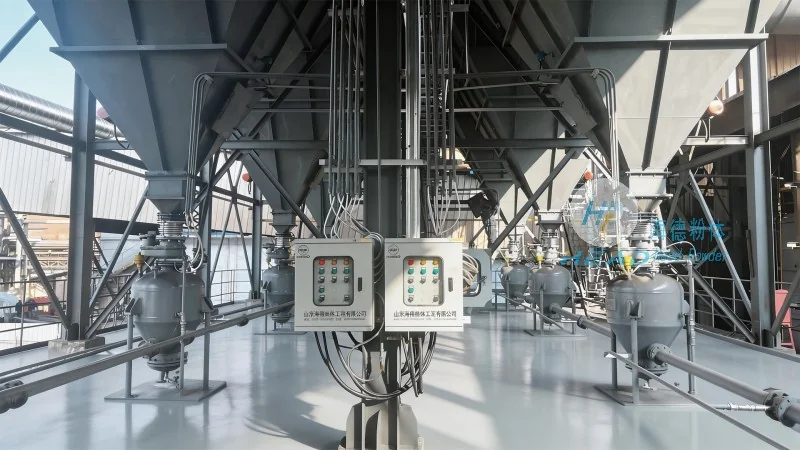
Understanding Low-Pressure Continuous Material Handling Systems
A low-pressure continuous material handling system is a specialized setup designed to transport bulk materials, such as powders, granules, or small particles, from one location to another without the need for high-pressure components or complex mechanical parts. Unlike traditional systems that rely on high-pressure pumps or heavy machinery, this approach emphasizes efficiency, safety, and cost-effectiveness. The system typically operates under low pressure, often using gravity or gentle mechanical forces to move materials through a series of connected components, ensuring minimal wear and tear on the equipment.
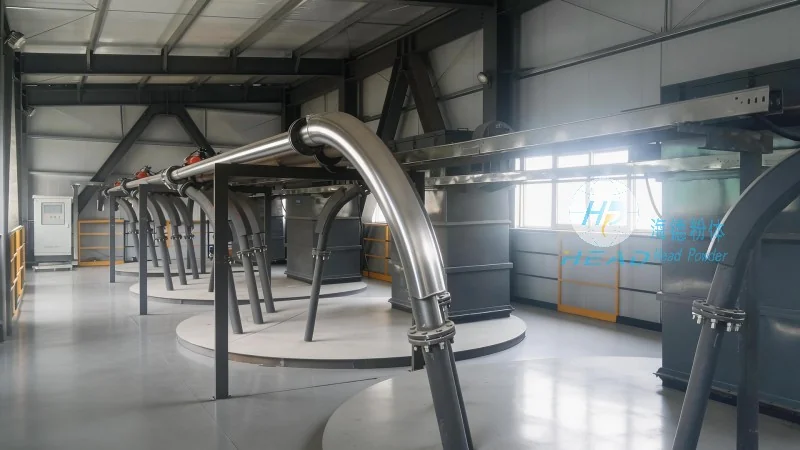
The Core Components and Design Principles
The design of a low-pressure continuous material handling system is built on several key principles that enhance its performance and reliability. These components work in harmony to ensure smooth material flow and minimal disruption. The primary elements include:
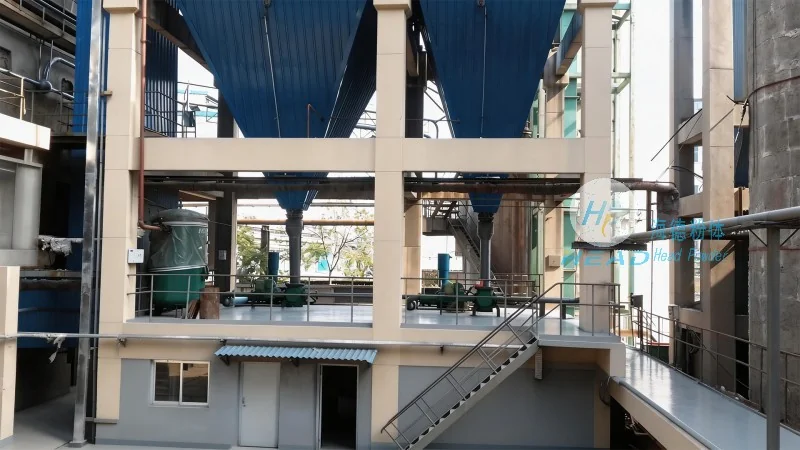
- Conveying Belts or Pneumatic Tubes: These are the main channels through which materials are transported. Conveying belts are commonly used for dry, free-flowing materials, while pneumatic tubes are ideal for smaller particles or materials that require a more controlled environment.
- Feeding Hoppers: These containers hold the bulk material and feed it into the system at a controlled rate. The design of the hopper is critical to prevent material bridging or clogging, ensuring a steady flow into the conveying mechanism.
- Regulators and Flow Control Devices: These components adjust the speed and volume of material flow, preventing overloading or underflow. They are essential for maintaining consistent throughput and protecting downstream equipment from damage.
- Seal and Connection Systems: To minimize air or material leakage, high-quality seals and connectors are used throughout the system. This ensures that the low-pressure environment is maintained and that material loss is minimized.
Design Principles for Optimal Performance
The design principles of a low-pressure continuous material handling system are centered on several key factors that contribute to its effectiveness. These principles are tailored to meet the specific needs of different industries and applications:
- Energy Efficiency: By operating at low pressure, the system consumes less energy compared to high-pressure alternatives. This not only reduces operational costs but also contributes to a more sustainable industrial operation.
- Material Compatibility: The design considers the properties of the materials being handled, such as particle size, moisture content, and abrasiveness. This ensures that the system is suitable for a wide range of applications, from food processing to chemical manufacturing.
- Safety and Reliability: Low-pressure systems are inherently safer as they reduce the risk of pressure-related accidents. Additionally, the gentle handling of materials minimizes product degradation, preserving the quality of the final output.
- Customization and Scalability: Modern low-pressure systems are designed to be adaptable, allowing for easy integration with existing production lines and scalability to accommodate growing operational needs.
Applications and Benefits in Industrial Settings
Low-pressure continuous material handling systems find applications in various industries, including pharmaceuticals, food processing, chemical manufacturing, and mining. Their benefits extend beyond efficiency and safety, offering advantages such as:
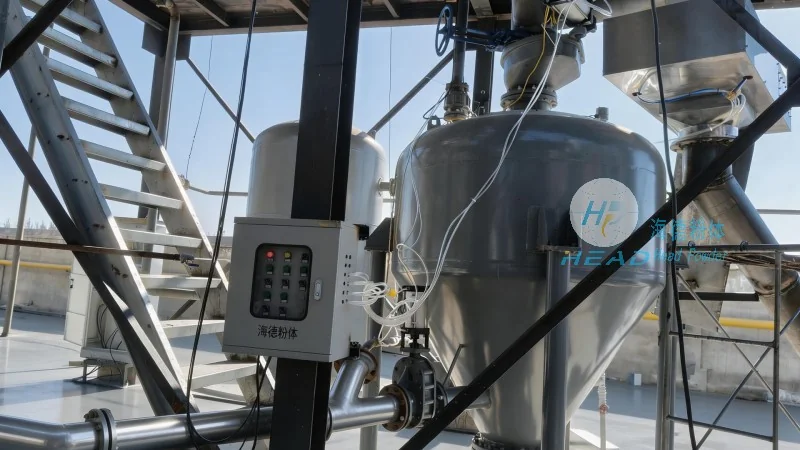
- Reduced Maintenance: The use of low-pressure components and gentle material handling reduces wear and tear, leading to lower maintenance costs and longer equipment lifespan.
- Improved Product Quality: By minimizing material degradation and ensuring consistent flow, these systems help maintain the quality of the final product, which is critical in industries like pharmaceuticals and food.
- Enhanced Process Control: The ability to regulate flow rates and pressure allows for precise control over the material transport process, enabling better process optimization and quality management.
Conclusion
Low-pressure continuous material handling systems represent a sophisticated and efficient solution for industrial material transport. By adhering to design principles that prioritize energy efficiency, material compatibility, and safety, these systems offer significant benefits to various industries. For businesses seeking reliable and cost-effective material handling solutions, understanding the design and functionality of such systems is essential. As a leading provider in this field, Shandong HeadPowder Engineering Co., Ltd. specializes in designing and implementing customized low-pressure material handling systems tailored to meet the unique needs of each client. With a focus on quality, innovation, and customer satisfaction, HeadPowder continues to be a trusted partner in enhancing industrial efficiency and productivity.