

What is a Borax Granular Material Handling System? And What Are Its Design Principles?
As a leading provider in the field of material handling solutions, Shandong HeadPowder Engineering Co., Ltd. specializes in designing and manufacturing systems tailored for various bulk materials, including borax. With a focus on precision, reliability, and durability, the company has established itself as a trusted partner for industries requiring robust material transport solutions. HeadPowder's expertise lies in understanding the unique characteristics of different materials and translating those insights into effective handling systems.
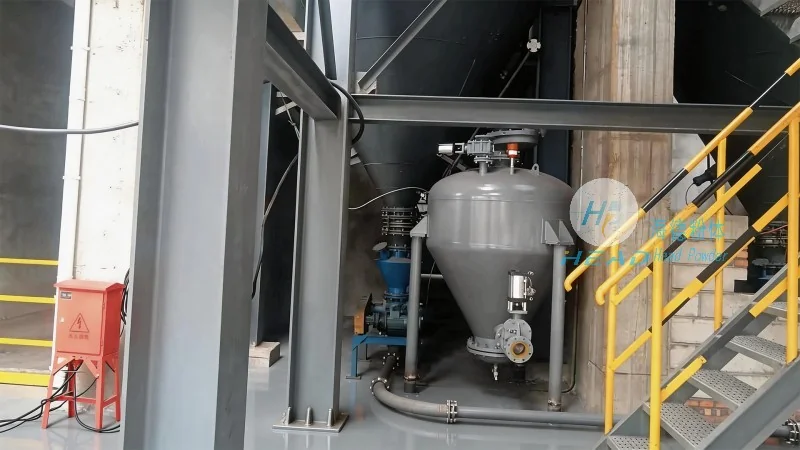
Understanding the Borax Granular Material Handling System
A borax granular material handling system is a specialized setup engineered to transport, store, and manage borax granules from the point of origin to the point of use. Borax, a white crystalline compound commonly used in detergents, glass manufacturing, and other industrial applications, requires careful handling due to its granular nature and potential for dust generation. The system typically integrates various components such as feeders, conveyors, storage silos, and control mechanisms to ensure smooth and safe operation. These systems are designed to handle the specific properties of borax, including its size, density, and flow characteristics, to optimize material movement and minimize losses or contamination.
Key Design Principles of the System
The design of a borax granular material handling system is guided by several fundamental principles aimed at ensuring efficiency, safety, and longevity. First, the system must address the material's flowability. Borax granules may exhibit different flow characteristics depending on moisture content and particle size, so the design incorporates features like aeration or vibration to maintain consistent flow. Second, dust control is a critical consideration. The system includes dust suppression mechanisms, such as enclosed conveyors and dust collection systems, to prevent airborne contamination and protect both the material and the environment. Third, the system is built for durability and resistance to corrosion, as borax can be chemically reactive and may cause wear on equipment. Materials like stainless steel or corrosion-resistant alloys are often used in components that come into direct contact with the material. Fourth, the design prioritizes energy efficiency and operational simplicity. Automated controls and energy-saving features are integrated to reduce operational costs while maintaining high performance. Lastly, the system adheres to safety standards, incorporating features like emergency stops and overload protection to safeguard personnel and equipment.
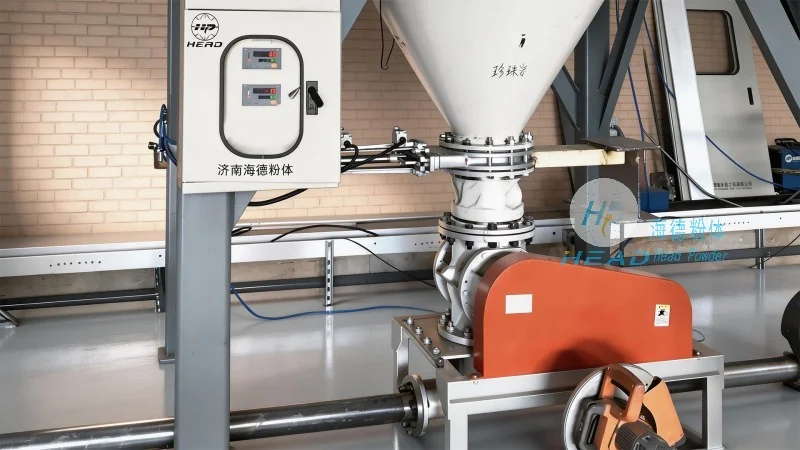
Core Components of the Material Handling System
The borax granular material handling system comprises several interconnected components that work in harmony to achieve efficient material transport. The primary components include: 1. Feeder: This component regulates the flow of borax granules from the storage silo to the conveyor system. It ensures a consistent feed rate, preventing overloading or underloading of the conveyor. 2. Conveyor: The conveyor, often a belt or screw type, transports the borax granules horizontally or vertically. Belt conveyors are common for horizontal transport due to their ability to handle large volumes and gentle material handling, while screw conveyors are used for vertical or inclined transport, providing a compact solution. 3. Storage Silo: The silo stores the bulk borax granules, providing a buffer between production and downstream processes. It is designed to maintain the material's quality and prevent moisture absorption. 4. Control System: An automated control system monitors and regulates the operation of the feeder, conveyor, and silo. It includes sensors to detect material levels, flow rates, and potential issues, allowing for real-time adjustments and preventing system failures. 5. Dust Collection System: This system captures and filters dust generated during material handling, ensuring compliance with environmental regulations and maintaining a safe working environment. Each component is carefully selected and integrated to optimize the overall performance of the system.
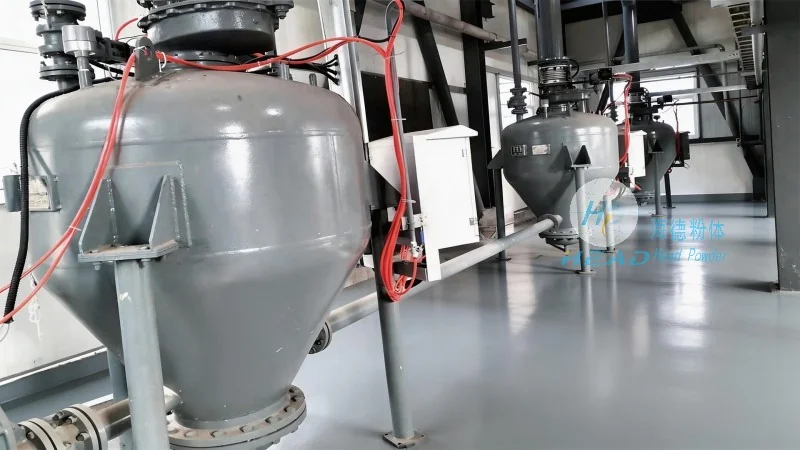
Applications and Industries
Borax granular material handling systems are widely used in various industries where borax is a key raw material. In the detergent industry, these systems are essential for transporting borax from storage to production lines, where it is blended with other ingredients. In glass manufacturing, borax is used as a flux to lower the melting point of glass, and the system ensures a steady supply of granules to the furnace. Additionally, in the pharmaceutical and chemical industries, borax is used as an ingredient in various products, and the material handling system maintains the purity and consistency of the material. The versatility of the system allows it to adapt to different production scales, from small-scale operations to large industrial plants, making it a valuable asset for any borax-dependent business.
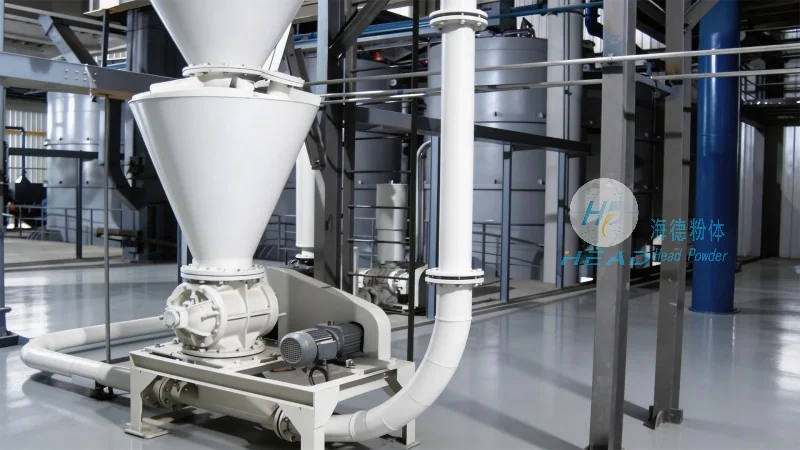
Technical Advantages and Benefits
Implementing a borax granular material handling system offers several advantages that enhance operational efficiency and reduce costs. First, the system minimizes material loss and contamination. By using enclosed conveyors and proper sealing, the system reduces the risk of dust and spillage, preserving the quality of the borax granules. Second, it improves safety in the workplace. The integrated dust collection and control systems reduce exposure to airborne particles, while emergency stop mechanisms protect workers from potential hazards. Third, the automated control system enhances operational efficiency by optimizing flow rates and reducing downtime. It allows for real-time monitoring and quick adjustments, ensuring that the system operates at peak performance. Fourth, the system is designed for durability and low maintenance. High-quality materials and robust construction minimize the need for frequent repairs, reducing long-term operational costs. Finally, the system's adaptability allows it to be customized to meet specific production requirements, ensuring that it aligns with the unique needs of each application.
Conclusion
A borax granular material handling system is a sophisticated and essential component for industries relying on borax as a raw material. The design principles, which prioritize material flow, dust control, durability, and safety, ensure that the system operates efficiently and reliably. With components such as feeders, conveyors, storage silos, and control systems, the system provides a seamless solution for transporting and managing borax granules. As a leading provider in this field, Shandong HeadPowder Engineering Co., Ltd. continues to innovate and refine these systems to meet the evolving needs of the industry, offering solutions that enhance productivity and safety while maintaining the highest standards of quality.