

What is a Polyurethane Material Handling System? And What Are Its Design Principles?
When it comes to efficiently transporting bulk materials in industrial settings, the choice of material handling system can significantly impact operational efficiency, safety, and longevity. Among the various options available, polyurethane material handling systems have emerged as a reliable and versatile solution. This article delves into the core components of such systems and explores the fundamental design principles that underpin their effectiveness.
What is a Polyurethane Material Handling System?
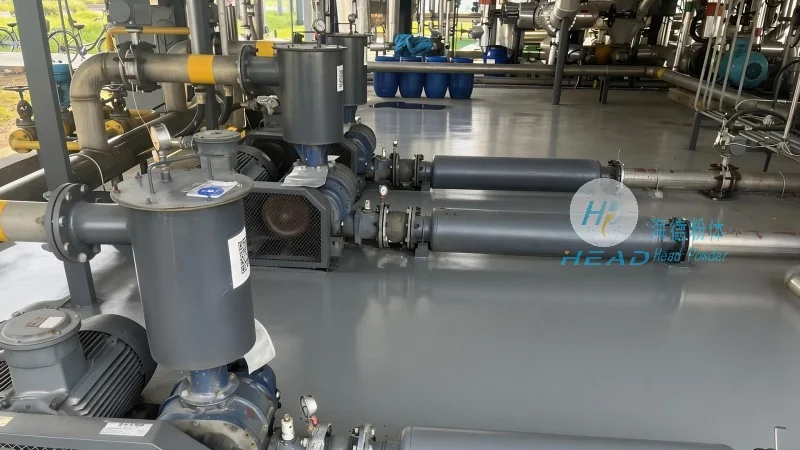
A polyurethane material handling system is a specialized setup designed to move, store, and manage bulk materials using components made primarily from polyurethane. This synthetic polymer offers exceptional durability, chemical resistance, and flexibility, making it ideal for a wide range of applications, from food processing to heavy industrial environments. The system typically includes conveyor belts, rollers, hoppers, and other equipment, all engineered to work in harmony to ensure smooth material flow.
Key Design Principles of Polyurethane Material Handling Systems
The effectiveness of a polyurethane material handling system is rooted in several critical design principles that address both functionality and longevity. These principles ensure that the system can handle diverse materials while maintaining optimal performance over time.
Material Selection and Durability
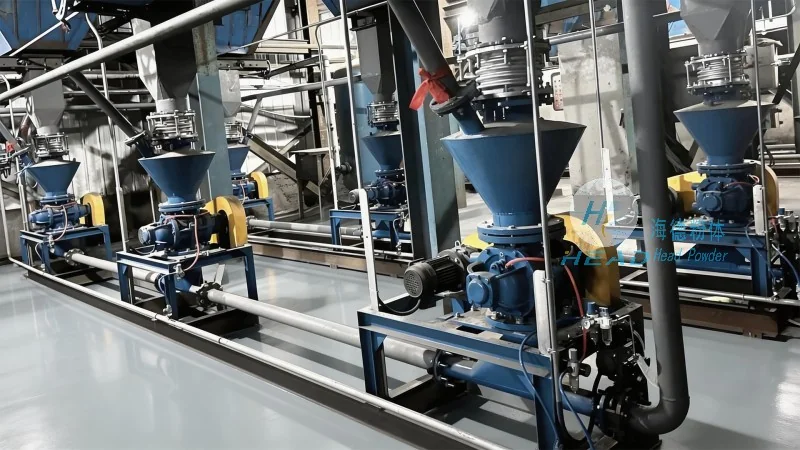
One of the most crucial design principles is the selection of high-quality polyurethane materials. The choice of polyurethane grade, hardness, and additives directly influences the system's ability to resist wear, abrasion, and chemical exposure. For instance, in environments where materials are abrasive or corrosive, a harder polyurethane with enhanced chemical resistance is preferred. This ensures that the conveyor belts and other components can withstand repeated contact with the material being transported, reducing the need for frequent replacements and minimizing downtime.
Structural Integrity and Load Capacity
Another vital design principle is ensuring structural integrity and adequate load capacity. The system's frame, rollers, and supports must be designed to handle the weight and force exerted by the materials being transported. Proper engineering of the frame, including the use of robust materials and appropriate load distribution, prevents deformation or failure under heavy loads. This is particularly important in applications involving large volumes of material, as it ensures the system can operate continuously without compromising safety or efficiency.
Efficient Material Flow and Belt Design
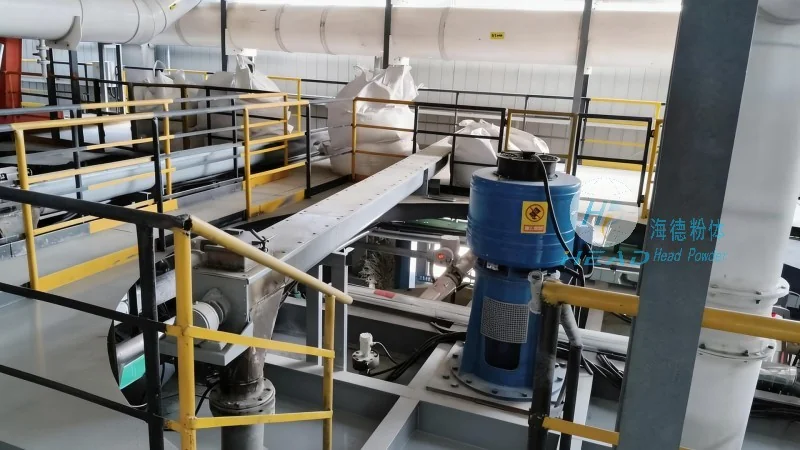
The design of the conveyor belt itself is a key factor in the system's performance. The belt's width, thickness, and surface texture are tailored to the specific characteristics of the material being handled. For example, smooth belts are suitable for non-sticky materials, while textured or cleated belts may be used for materials that tend to slip or require enhanced grip. Additionally, the belt's speed and tension are carefully calibrated to maintain a consistent flow, preventing material buildup or spillage. Proper alignment of the rollers and pulleys also contributes to smooth operation, reducing friction and wear on the belt and other components.
Integration with Existing Systems
A well-designed polyurethane material handling system is often integrated with existing industrial infrastructure. This integration ensures seamless operation with other equipment, such as hoppers, elevators, and processing machinery. The design principles include compatibility with the existing layout, electrical systems, and control mechanisms. By aligning the system with the current workflow, it minimizes disruptions and enhances overall productivity. This approach also allows for easy expansion or modification of the system as operational needs evolve.
Maintenance and Longevity
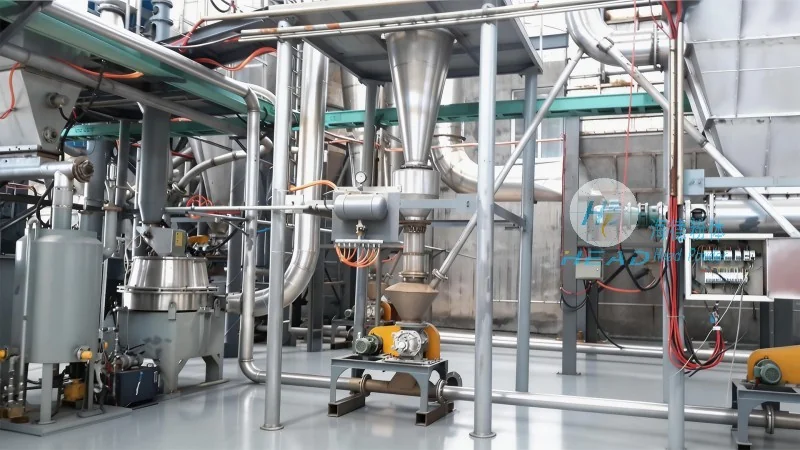
Designing for ease of maintenance is another critical principle. The system should be constructed with accessible components, allowing for routine inspections and repairs without extensive downtime. Features such as removable covers, easy-to-replace parts, and clear labeling of components facilitate maintenance. Additionally, the use of wear-resistant polyurethane materials reduces the frequency of replacements, extending the system's lifespan and reducing long-term costs. This focus on maintenance-friendly design ensures that the system remains operational and efficient over its service life.
About HeadPowder: Shandong HeadPowder Engineering Co., Ltd.
HeadPowder, or Shandong HeadPowder Engineering Co., Ltd., is a leading manufacturer specializing in high-quality polyurethane material handling systems. With operations based in Shandong, China, the company combines advanced engineering with rigorous quality control to deliver reliable solutions for various industrial applications. HeadPowder's expertise lies in customizing systems to meet specific client needs, ensuring that each solution is tailored to the unique challenges of the material being handled and the operational environment. The company's commitment to durability and efficiency has made it a trusted partner for businesses seeking to optimize their material handling processes.