

What is a Wood Dust Powder Pneumatic Conveying System? And What Are Its Design Principles?
Wood dust, as a common byproduct in woodworking and related industries, poses challenges in handling and transportation. The wood dust powder pneumatic conveying system offers an efficient solution to manage this material, ensuring safe and reliable movement from source to destination. This article explores the fundamental aspects of such a system, including its design principles and the role of companies like Shandong HeadPowder Engineering Co., Ltd. in implementing these solutions.
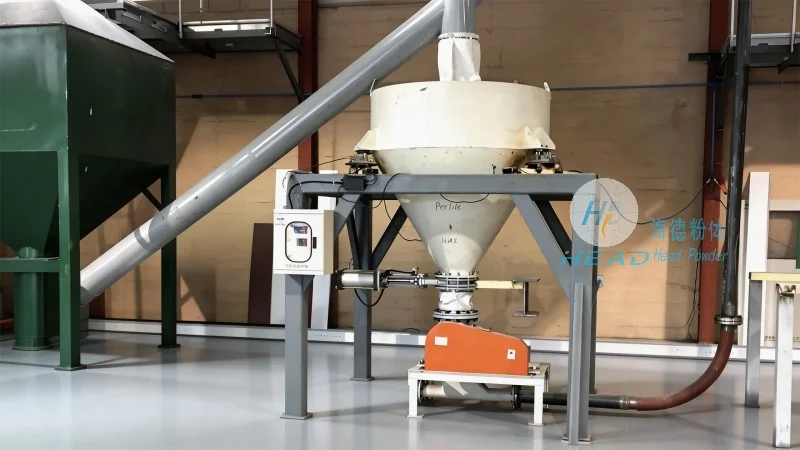
Understanding the Wood Dust Powder Pneumatic Conveying System
A wood dust powder pneumatic conveying system is a technology that uses air pressure or vacuum to transport wood dust particles through a pipeline. This method is particularly advantageous for handling fine powders like wood dust, which can be difficult to manage with traditional mechanical conveyors due to their tendency to create dust clouds or clog equipment. The system typically consists of a dust collector, a conveying line, and a discharge device, all working in tandem to ensure efficient material transport.
About HeadPowder: A Leading Provider of Pneumatic Conveying Solutions
HeadPowder, or Shandong HeadPowder Engineering Co., Ltd., is a company based in Shandong, China, specializing in the design, manufacturing, and installation of pneumatic conveying systems. With years of experience in the industry, HeadPowder has developed expertise in handling various powder materials, including wood dust, and has tailored solutions to meet the specific needs of woodworking facilities, sawmills, and other wood processing enterprises. The company's commitment to quality and innovation has made it a trusted partner for businesses seeking reliable and efficient material handling solutions.
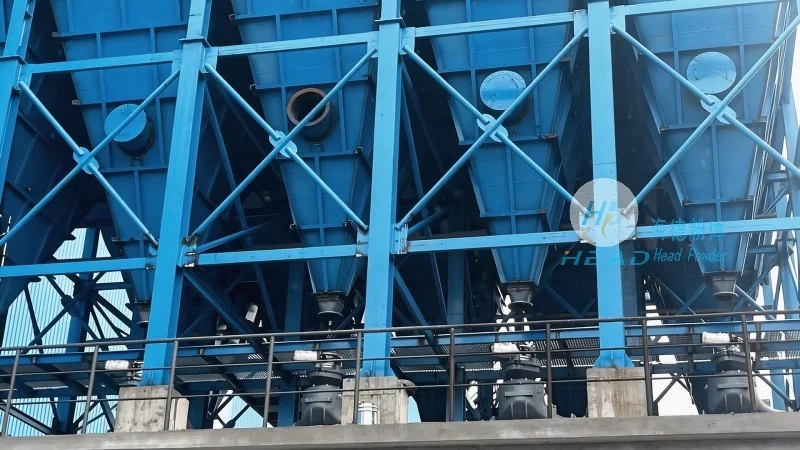
Core Design Principles of the Pneumatic Conveying System
The design of a wood dust powder pneumatic conveying system is based on several key principles to ensure optimal performance and safety. First, the system must be capable of generating sufficient air flow to move the wood dust particles through the pipeline. This often involves using positive pressure or negative pressure (vacuum) systems, depending on the application and the distance the material needs to travel. Positive pressure systems are commonly used for short to medium distances, as they can maintain consistent air pressure and prevent dust leakage. Negative pressure systems, on the other hand, are suitable for longer distances or when the dust needs to be collected from multiple sources.
Second, the system's components must be designed to handle the specific characteristics of wood dust. Wood dust is typically fine and can be abrasive, which means that the conveying line and other parts of the system must be made of materials that can withstand wear and tear. Stainless steel or special coatings are often used for the pipeline to prevent corrosion and ensure durability. Additionally, the system must incorporate dust collection and filtration components to maintain air quality and comply with environmental regulations.
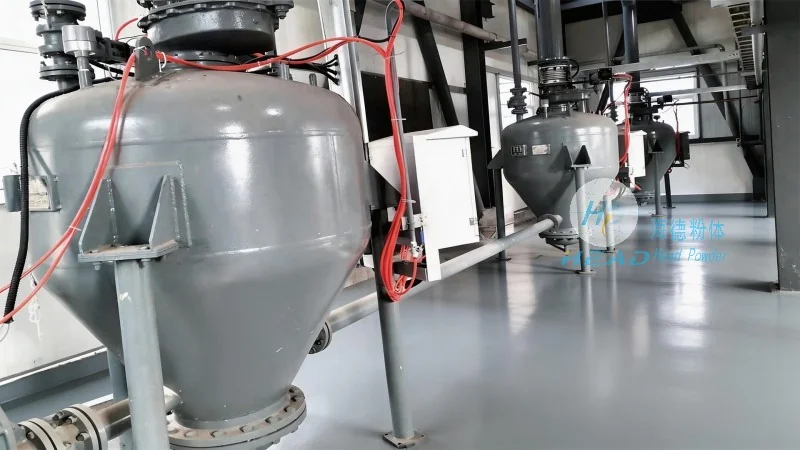
Key Components and Their Functions
The wood dust powder pneumatic conveying system consists of several critical components, each playing a vital role in the overall operation. The dust collector is the initial point of contact, where wood dust is captured from the source, such as a woodworking machine or a storage bin. The collector may use cyclonic separation or bag filters to separate the dust from the air, ensuring that the material is properly contained. The conveying line, typically made of flexible or rigid tubing, transports the dust from the collector to the discharge point. The discharge device, such as a rotary valve or a venturi, controls the release of the wood dust into the next processing stage or storage container. The system may also include a blower or a vacuum pump to generate the necessary air pressure or vacuum for material movement.
Advantages of Using a Pneumatic Conveying System for Wood Dust
Implementing a wood dust powder pneumatic conveying system offers numerous advantages over traditional methods. One of the primary benefits is the reduction of dust exposure for workers, as the system contains the material within a closed pipeline, minimizing the risk of respiratory issues or other health hazards. Additionally, the system is highly efficient in terms of energy consumption, as it uses air to move the material rather than mechanical components that can wear out over time. The closed system also helps in maintaining a clean working environment, reducing the need for frequent cleaning and improving overall workplace safety. Furthermore, the system can handle wood dust from multiple sources and transport it to a central location for processing or disposal, streamlining operations and improving productivity.
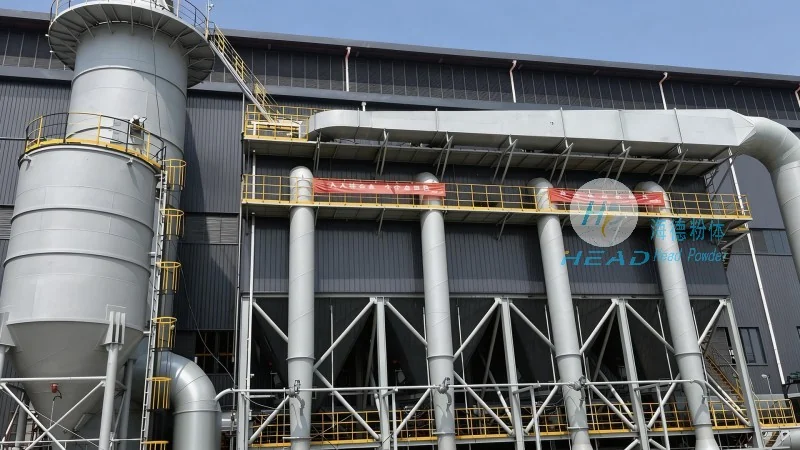
Applications and Industries
The wood dust powder pneumatic conveying system is widely used in various industries that generate wood dust as a byproduct. These include woodworking, furniture manufacturing, sawmills, and wood pellet production facilities. In woodworking, the system is used to transport sawdust from cutting machines to storage bins or to a dust collector for recycling. In furniture manufacturing, it helps in moving wood dust from sanding or polishing operations to waste disposal or recycling systems. Sawmills use the system to handle wood dust from various stages of the milling process, ensuring that the material is properly managed and utilized. Wood pellet producers also benefit from the system by efficiently conveying wood dust to the pelletizing process, improving the overall efficiency of their operations.
Conclusion
In conclusion, the wood dust powder pneumatic conveying system is a vital technology for managing wood dust in various industrial applications. Its design, based on principles of air flow and material handling, ensures efficient and safe transportation of wood dust particles. Companies like Shandong HeadPowder Engineering Co., Ltd. play a crucial role in providing these systems, tailored to the specific needs of wood processing industries. By implementing such a system, businesses can improve workplace safety, reduce energy consumption, and streamline their operations, ultimately leading to increased productivity and cost savings.