

What is an Inorganic Salt Powder Pneumatic Conveying System? What Are Its Design Principles?
For industries dealing with inorganic salt powders, selecting the right material handling solution is crucial for efficiency and safety. A pneumatic conveying system, specifically designed for inorganic salt powders, offers a reliable method to transport these materials from one location to another. This article explores the concept of an inorganic salt powder pneumatic conveying system and delves into its fundamental design principles, highlighting how such systems enhance operational performance in industrial settings. Shandong HeadPowder Engineering Co., Ltd. specializes in providing tailored solutions for material transport, ensuring that industries can meet their production demands with high-quality equipment.
Understanding Inorganic Salt Powder Pneumatic Conveying Systems
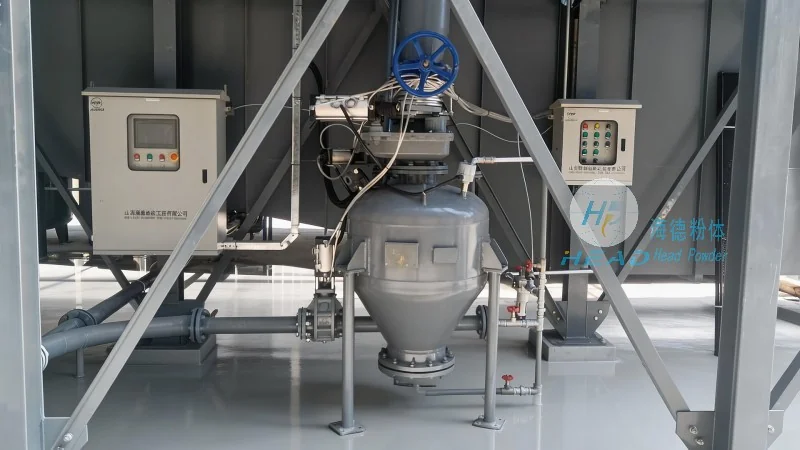
An inorganic salt powder pneumatic conveying system is a type of material handling equipment that uses compressed air or other gas to transport dry powders, including inorganic salts, through a pipeline. Unlike traditional mechanical conveying methods like screw conveyors or belt conveyors, pneumatic systems rely on the force of gas to move the material, making them particularly suitable for handling fine, dusty, or abrasive powders such as inorganic salts. The system typically consists of a hopper, a feeder, a conveying line, and a receiver, all working in tandem to ensure smooth and efficient material transport. These components are engineered to withstand the unique properties of inorganic salts, which can be hygroscopic, abrasive, or have varying particle sizes.
Key Components of the System
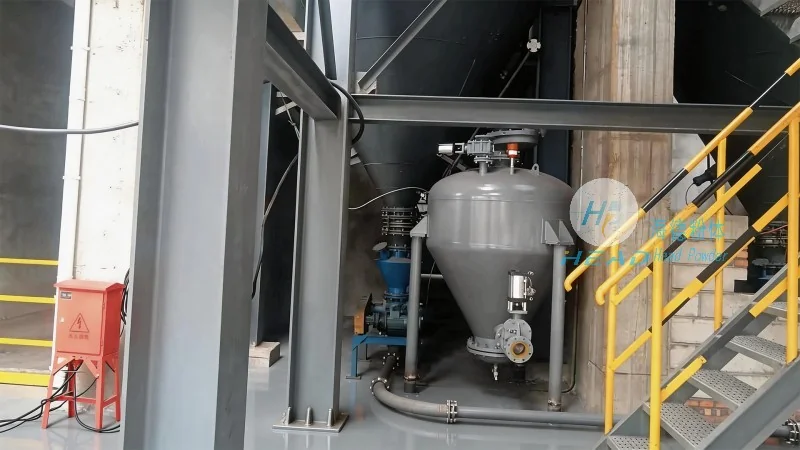
The effectiveness of an inorganic salt powder pneumatic conveying system depends on several critical components. The hopper serves as the storage vessel, holding the inorganic salt powder before it is fed into the system. A feeder, often a rotary valve or a star feeder, controls the flow rate of the material from the hopper into the conveying line. The conveying line, usually made of stainless steel or other corrosion-resistant materials, is where the compressed air and powder mixture travels. The receiver at the end of the line collects the material and may include a filter to remove any fine particles or dust from the air. Each component is carefully selected to withstand the characteristics of inorganic salt powders, ensuring long-term reliability and minimal maintenance.
Design Principles for Efficient Operation
The design principles of an inorganic salt powder pneumatic conveying system are centered on ensuring efficient material transport while minimizing system wear and energy consumption. One of the primary principles is maintaining a consistent flow rate, which is achieved by properly sizing the feeder and controlling the air pressure. The system must also account for the specific properties of inorganic salts, such as their density, particle size distribution, and moisture content. For example, if the inorganic salt is hygroscopic, the system may include drying or moisture control measures to prevent clumping or caking during transport. Additionally, the conveying velocity and pressure drop are carefully calculated to ensure the material moves smoothly without causing excessive wear on the pipeline or components. Shandong HeadPowder Engineering Co., Ltd. employs advanced engineering techniques to optimize these parameters for each project.
Advantages of Using a Pneumatic Conveying System for Inorganic Salts
Implementing an inorganic salt powder pneumatic conveying system offers several advantages over traditional methods. Firstly, it eliminates the need for mechanical parts that come into direct contact with the powder, reducing the risk of contamination and wear. This is particularly important for inorganic salts used in food, pharmaceutical, or chemical industries where purity is paramount. Secondly, pneumatic systems can handle a wide range of particle sizes and flow rates, making them versatile for various applications. They also allow for the integration of dust collection and filtration systems, improving workplace safety and compliance with environmental regulations. Furthermore, these systems can be designed to operate in closed loops, minimizing dust emissions and enhancing overall safety in the workplace. Shandong HeadPowder Engineering Co., Ltd. has successfully implemented such systems for numerous clients, improving their operational efficiency and reducing downtime.
Considerations for System Design and Installation
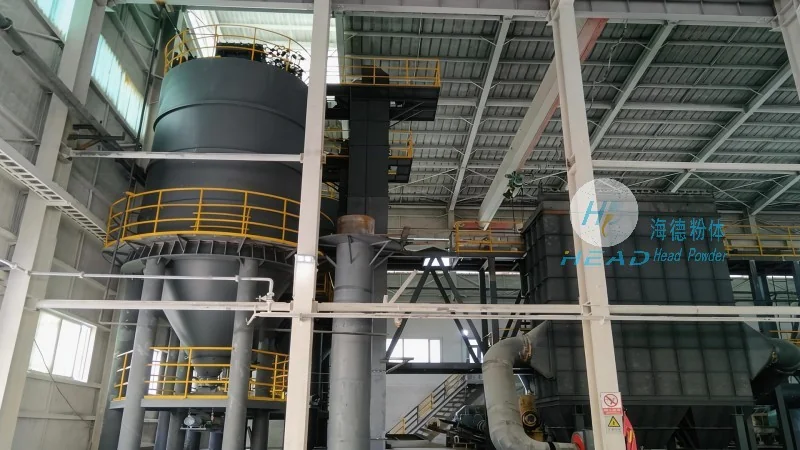
When designing an inorganic salt powder pneumatic conveying system, several factors must be considered to ensure optimal performance. The system must be tailored to the specific characteristics of the inorganic salt, including its chemical composition, particle size, and flowability. The choice of materials for the pipeline and components is critical, as inorganic salts can be corrosive or abrasive. Stainless steel is often preferred for its durability and resistance to corrosion. Additionally, the system's layout and the length of the conveying line must be carefully planned to minimize pressure drop and energy consumption. Proper maintenance, including regular cleaning and inspection of components, is essential to prevent clogging and ensure long-term reliability. Shandong HeadPowder Engineering Co., Ltd. provides comprehensive support, from initial design to on-site installation and maintenance, ensuring that clients receive a system that meets their exact requirements.
Conclusion
An inorganic salt powder pneumatic conveying system is a sophisticated and efficient solution for handling inorganic salt powders in industrial applications. By understanding the design principles and key components, industries can select and implement a system that meets their specific needs, enhancing productivity, safety, and material quality. With proper design and maintenance, such systems provide reliable and cost-effective material transport, contributing to the overall success of operations in sectors that rely on inorganic salts. Shandong HeadPowder Engineering Co., Ltd. remains committed to delivering high-quality, customized solutions that help industries achieve their goals efficiently and safely.