

What is a Maltodextrin Powder Pneumatic Conveying System? And What Are Its Design Principles?
Maltodextrin powder, a widely used food additive and industrial ingredient, often requires efficient and reliable transportation methods to ensure quality and safety during processing. A pneumatic conveying system offers an effective solution for moving maltodextrin powder from one location to another within a production facility. This article explores the fundamentals of such a system, focusing on its design principles and the technology behind its operation.
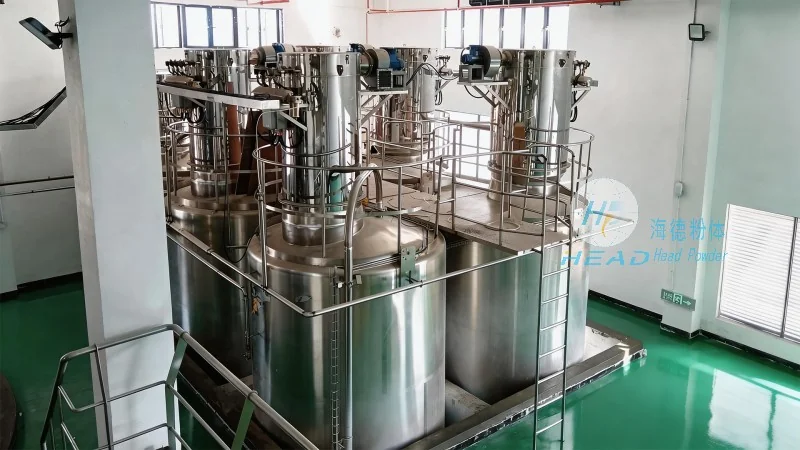
Understanding Pneumatic Conveying for Maltodextrin Powder
At its core, a pneumatic conveying system uses compressed air or other gases to transport solid materials like maltodextrin powder through a pipeline. This method is particularly advantageous for maltodextrin because it minimizes product contamination, reduces dust exposure, and enables gentle handling, which is crucial for maintaining the powder's quality and consistency. The system typically consists of several key components, including a material feed hopper, a conveying line, a separation or collection device, and a control system.
Key Design Principles of Maltodextrin Powder Pneumatic Conveying Systems
The design of a maltodextrin powder pneumatic conveying system must consider several critical factors to ensure optimal performance and efficiency. First, the system must be capable of handling the specific properties of maltodextrin powder, such as its particle size, moisture content, and flow characteristics. The conveying velocity and pressure must be carefully controlled to prevent particle degradation or blockages in the pipeline. Additionally, the system should incorporate features that minimize product degradation, such as low-velocity conveying or the use of flexible hoses and smooth pipe surfaces.
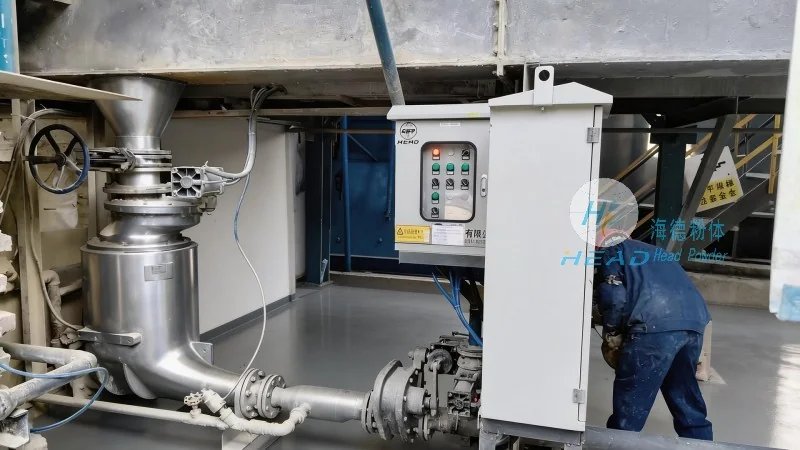
Components and Their Roles in the System
Each component of the pneumatic conveying system plays a vital role in the overall operation. The material feed hopper is responsible for storing and feeding the maltodextrin powder into the system. It often includes a metering device to regulate the flow rate, ensuring consistent material delivery. The conveying line, typically made of stainless steel or other corrosion-resistant materials, transports the powder and air mixture. The separation or collection device, such as a cyclone or bag filter, separates the powder from the air at the end of the line, allowing the powder to be collected in a designated container. The control system monitors and adjusts the system parameters, such as air pressure and flow rate, to maintain stable operation.
Advantages of Using Pneumatic Conveying for Maltodextrin Powder
Implementing a pneumatic conveying system for maltodextrin powder offers numerous benefits. One of the primary advantages is the reduction of dust and contamination, which is essential for maintaining the product's purity and meeting regulatory standards. The system also provides a more hygienic and controlled environment compared to traditional mechanical conveying methods. Furthermore, pneumatic conveying allows for flexible layout designs, as the pipeline can be installed in various configurations to accommodate different production processes. This flexibility enhances operational efficiency and reduces the need for extensive reconfiguration during facility changes.
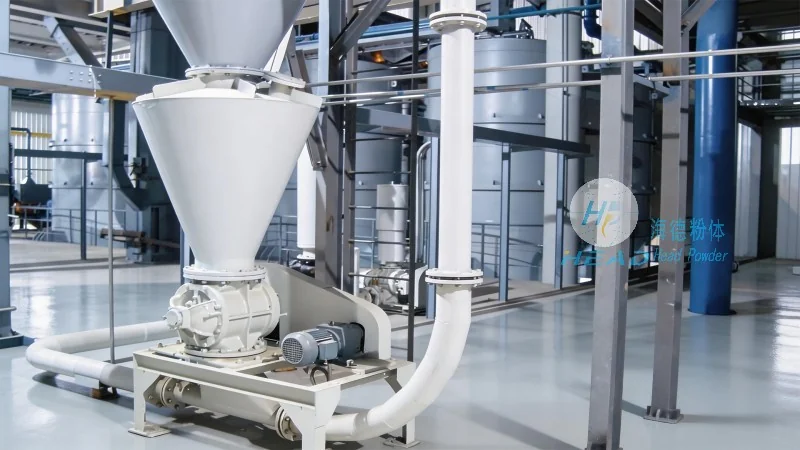
Considerations for System Design and Installation
When designing and installing a maltodextrin powder pneumatic conveying system, several factors must be considered to ensure long-term reliability and performance. The system's capacity must be matched to the production requirements to avoid underutilization or overloading. The material of construction is critical, as maltodextrin is often sensitive to moisture and can degrade if exposed to corrosive environments. Stainless steel is commonly used for its durability and resistance to contamination. Additionally, the system should be equipped with proper cleaning and maintenance features to prevent clogging and ensure consistent operation over time.
Conclusion: The Importance of a Well-Designed Pneumatic Conveying System for Maltodextrin Powder
A well-designed pneumatic conveying system is essential for the efficient and safe handling of maltodextrin powder in industrial applications. By understanding the key design principles and components, manufacturers can select and implement a system that meets their specific needs while maintaining product quality and operational efficiency. The expertise of companies like Shandong HeadPowder Engineering Co., Ltd., based in China, plays a crucial role in providing tailored solutions that address the unique challenges of maltodextrin powder transportation. With proper design and maintenance, pneumatic conveying systems offer a reliable and cost-effective method for moving maltodextrin powder throughout the production process.