

What is a Phosphoric Hydrogen Calcium Powder Pneumatic Conveying Equipment? What Are Its Design Prin
Phosphoric hydrogen calcium powder, a critical raw material in the fertilizer and food industries, requires efficient and reliable handling solutions to ensure smooth production processes. This is where pneumatic conveying equipment from Shandong HeadPowder Engineering Co., Ltd. (commonly known as headpowder) comes into play. The following article explores the fundamental aspects of such equipment, including its design principles and operational benefits.
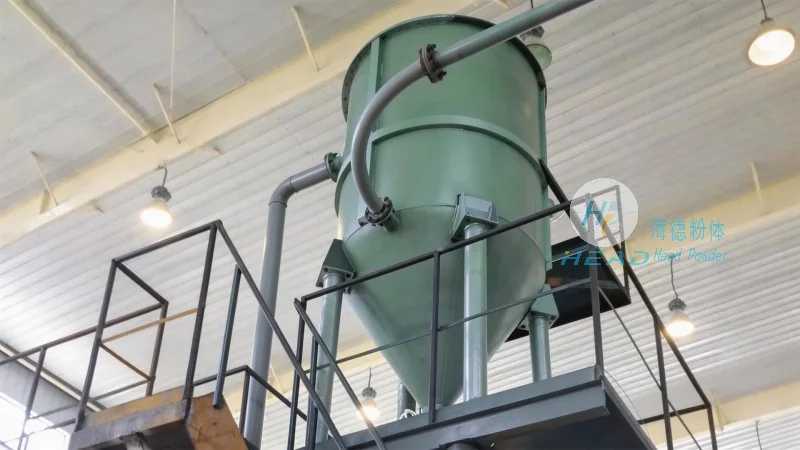
Understanding Pneumatic Conveying for Phosphoric Hydrogen Calcium Powder
Phosphoric hydrogen calcium powder is a fine, dry powder with specific physical properties that make traditional bulk handling methods less suitable. Pneumatic conveying systems offer a solution by transporting the powder through a pressurized or vacuum environment using air or other gases. This method is particularly advantageous for materials like phosphoric hydrogen calcium powder due to its ability to handle fine powders without the need for mechanical components that might cause blockages or contamination.
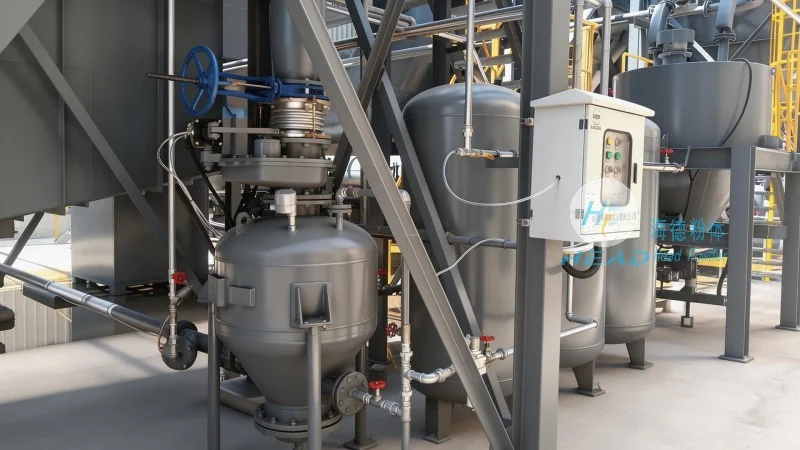
Key Design Principles of the Equipment
The design of a phosphoric hydrogen calcium powder pneumatic conveying system is centered on several critical principles to ensure optimal performance and safety. First, the system must maintain consistent air flow rates to prevent powder degradation or agglomeration. HeadPowder engineers focus on selecting appropriate air volumes and pressures based on the powder's bulk density and flow characteristics. Second, the equipment incorporates features to minimize particle attrition and wear, as phosphoric hydrogen calcium powder can be abrasive. Materials such as stainless steel or specialized coatings are used for components like the hopper, ducts, and valves to extend the equipment's lifespan. Third, the system is designed with safety in mind, including pressure relief valves and dust collection systems to prevent dust explosions and ensure operator safety. Additionally, the design prioritizes ease of maintenance, with accessible components and modular designs that allow for quick repairs and replacements.
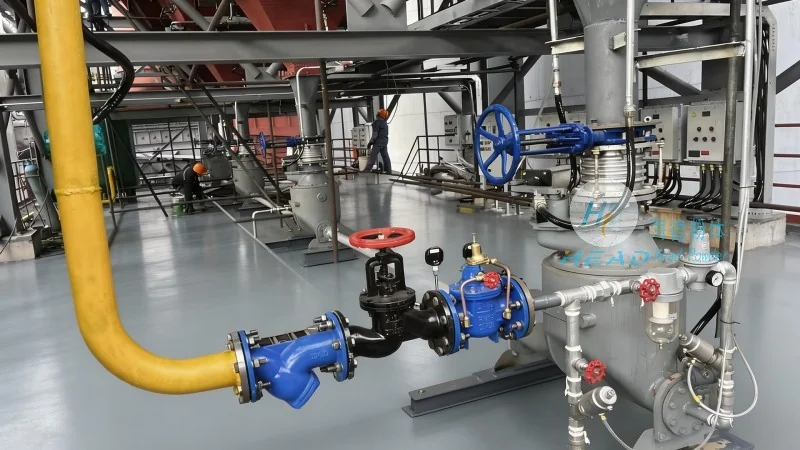
Operational Advantages and Applications
Implementing a pneumatic conveying system for phosphoric hydrogen calcium powder brings numerous operational advantages. The most significant benefit is the reduction in material handling time and labor costs, as the system can transport large quantities of powder over long distances without the need for manual loading or unloading. This also minimizes the risk of product contamination, as the enclosed system prevents exposure to external elements. Furthermore, the equipment enhances process efficiency by maintaining consistent powder flow rates, which is crucial for downstream processes like blending or packaging. In industries such as fertilizer manufacturing and food processing, where phosphoric hydrogen calcium powder is used as a key ingredient, these advantages directly impact overall productivity and product quality.
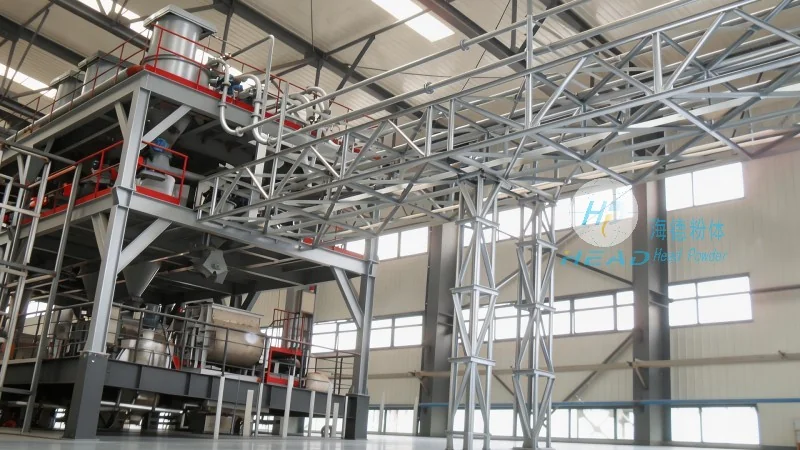
Conclusion and Company Overview
Phosphoric hydrogen calcium powder pneumatic conveying equipment from Shandong HeadPowder Engineering Co., Ltd. represents a sophisticated solution for the efficient handling of fine powders. By adhering to rigorous design principles, including optimized air flow management, durable construction, and safety features, the equipment ensures reliable performance in demanding industrial environments. As a leading provider in the field, headpowder combines technical expertise with customer-centric solutions to meet the specific needs of clients in the fertilizer and food sectors. With its headquarters in Shandong, China, headpowder continues to innovate and deliver high-quality pneumatic conveying systems that enhance operational efficiency and product safety.