

What is a Lithium Nickel Cobalt Aluminum (NCA) Material Pneumatic Conveying Equipment? What Are Its
HeadPowder, a leading manufacturer based in Shandong, China, specializes in advanced material handling solutions, including pneumatic conveying systems for lithium nickel cobalt aluminum (NCA) materials. This article explores the NCA material pneumatic conveying equipment and its fundamental design principles, providing a comprehensive overview for industry professionals.
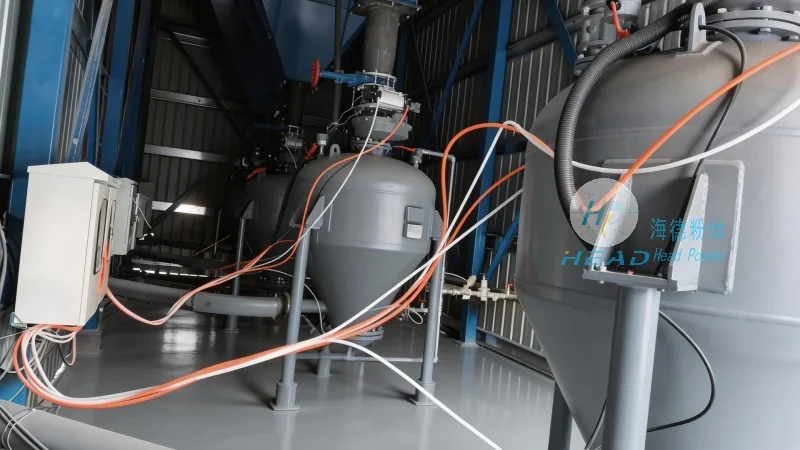
Understanding NCA Material Pneumatic Conveying Equipment
NCA, or Lithium Nickel Cobalt Aluminum, is a critical cathode material widely used in lithium-ion batteries for electric vehicles and energy storage systems. The efficient and safe transport of NCA powders is essential for battery manufacturing processes. Pneumatic conveying equipment offers a solution by using air to move these fine powders through a system of pipes and components, ensuring minimal dust generation and contamination control.
Key Design Principles of NCA Material Pneumatic Conveying Systems
The design of NCA material pneumatic conveying equipment focuses on several key principles to ensure optimal performance, safety, and reliability. These principles include:
1. Airflow Management: Proper airflow is crucial to maintain consistent particle suspension and prevent blockages. The system must be designed to handle the specific flow rates and pressure requirements of NCA powders, which are often fine and abrasive. HeadPowder’s systems utilize advanced air control mechanisms to ensure stable conveying conditions.
2. Material Compatibility: The equipment components, such as pipes, valves, and filters, must be compatible with NCA materials to avoid chemical reactions or degradation. Materials like stainless steel or specialized alloys are commonly used to prevent corrosion and maintain product purity. The design ensures that the equipment can withstand the abrasive nature of NCA powders without compromising performance.
3. Contamination Control: In battery manufacturing, even minor contamination can affect battery performance and lifespan. NCA material pneumatic conveying systems are designed with strict contamination control measures. This includes sealed systems, high-efficiency filters, and cleanroom-compatible components to maintain the purity of the NCA material throughout the conveying process. HeadPowder’s solutions incorporate advanced filtration technologies to meet stringent industry standards.
4. Energy Efficiency: Modern pneumatic conveying systems aim to minimize energy consumption while maintaining high conveying efficiency. The design incorporates energy-saving features, such as variable frequency drives (VFDs) for air compressors and optimized pipe layouts to reduce pressure losses. This not only lowers operational costs but also aligns with sustainability goals in the battery industry.
Components and Operation of NCA Pneumatic Conveying Equipment
The NCA material pneumatic conveying equipment typically consists of several key components, each playing a vital role in the conveying process:
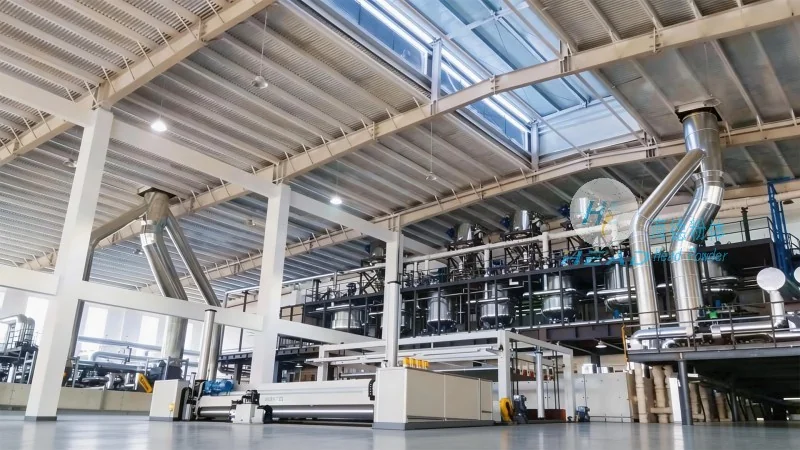
1. Air Supply System: This includes an air compressor, air dryer, and filters to provide clean, dry air for conveying. The air compressor generates the necessary pressure to move the NCA powders through the system. The dryer removes moisture to prevent clumping or moisture-related issues in the NCA material.
2. Inlet and Feed Hopper: The NCA material is fed into the system through a hopper, which is equipped with a feeder (such as a rotary valve or screw feeder) to control the material flow rate. The hopper is designed to minimize material degradation and ensure a consistent feed to the conveying line.
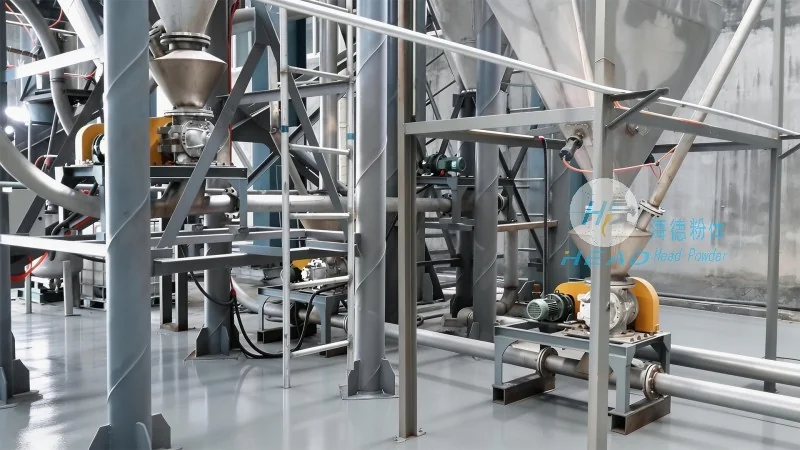
3. Piping and Conveying Lines: The NCA powders are transported through a network of pipes, often made of stainless steel or other corrosion-resistant materials. The pipe design considers the particle size and flow characteristics of NCA to prevent blockages and ensure smooth transport. The system may include bends, elbows, and straight sections to guide the material to the destination.
4. Control Valves and Branch Lines: These components allow for the direction and control of the NCA material flow. Branch lines enable the material to be directed to different processing areas or storage tanks. Control valves, such as slide gates or butterfly valves, regulate the flow rate and pressure within the system.
5. Receiver and Discharge Hopper: The NCA material is discharged into a receiver hopper at the end of the conveying line. This hopper is designed to collect the material and may include a discharge valve to control the release of the material to downstream processes, such as mixing or packaging.
6. Filter and Dust Collection System: To maintain the purity of the NCA material and protect the environment, a filter system is integrated into the design. This system captures any fine particles that may escape the conveying line and collects them for safe disposal. High-efficiency particulate air (HEPA) filters are commonly used to ensure minimal dust emissions.
Advantages of Using NCA Material Pneumatic Conveying Equipment
Implementing NCA material pneumatic conveying equipment offers several advantages for battery manufacturers:
1. Enhanced Safety: Pneumatic conveying systems eliminate the need for manual handling of NCA powders, reducing the risk of dust exposure and potential health hazards. The sealed system design minimizes dust emissions, creating a safer working environment.
2. Improved Product Quality: By maintaining strict contamination control and minimizing material degradation, the equipment ensures the high purity and quality of NCA powders. This is critical for producing high-performance lithium-ion batteries.
3. Increased Efficiency: Automated pneumatic conveying systems can operate continuously, reducing downtime and increasing production throughput. The consistent flow rates and pressure control enhance the overall efficiency of the battery manufacturing process.
4. Space Savings: Compared to traditional bulk handling methods, pneumatic conveying systems require less floor space. The compact design of the equipment allows for efficient use of manufacturing facilities, especially in high-density production environments.
5. Flexibility and Scalability: NCA material pneumatic conveying systems can be easily scaled to accommodate varying production volumes. The modular design allows for the addition or removal of components as production needs change, providing flexibility for growing battery manufacturing operations.
Conclusion
HeadPowder’s NCA material pneumatic conveying equipment, designed with advanced principles and components, provides an efficient and reliable solution for transporting lithium nickel cobalt aluminum powders in battery manufacturing. By focusing on airflow management, material compatibility, contamination control, and energy efficiency, the equipment ensures optimal performance while maintaining the high standards required for modern lithium-ion batteries. As the demand for electric vehicles and energy storage systems continues to grow, the importance of reliable NCA material handling systems cannot be overstated. HeadPowder, with its expertise and commitment to quality, remains a trusted partner in delivering advanced material handling solutions for the battery industry.