

Calcium Powder Material Pneumatic Conveying Line: Understanding It and Its Design Principles
When it comes to handling calcium powder materials efficiently, the calcium powder material pneumatic conveying line emerges as a critical solution in industrial processes. This system is designed to transport calcium powder and similar fine powders through a pressurized or vacuum environment, ensuring safe and effective material movement from one location to another. Understanding the core functionality and design principles of such a system is essential for industries that rely on calcium powder for various applications, including food, pharmaceuticals, and manufacturing.
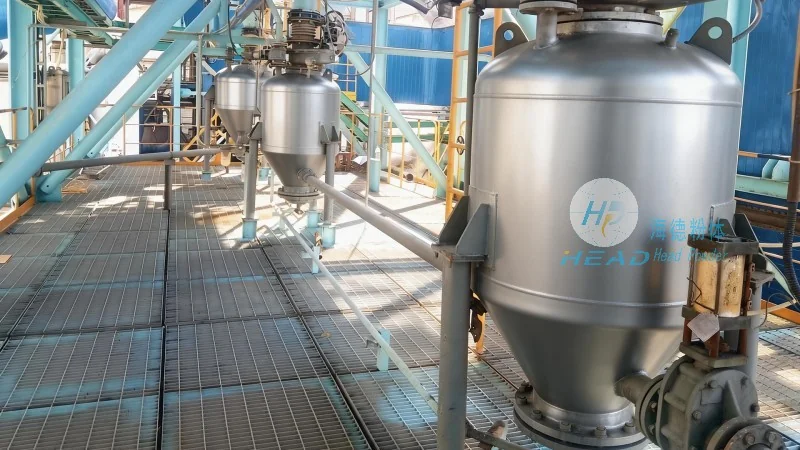
What is a Calcium Powder Material Pneumatic Conveying Line?
A calcium powder material pneumatic conveying line is a specialized system used to transport calcium powder and other fine powders using air or gas as the conveying medium. Unlike traditional mechanical conveyors, which rely on physical components like belts or screws, pneumatic conveying systems utilize the force of air to move materials through pipes. This method is particularly advantageous for calcium powder, which can be prone to dusting, caking, or other handling challenges when using conventional methods. The system typically consists of a hopper for material storage, a conveyor line (often made of stainless steel to prevent contamination), and a control system to regulate air pressure and flow. By using compressed air, the system can transport calcium powder over significant distances with minimal product degradation, making it ideal for applications where product purity and consistency are paramount.
Key Design Principles of Calcium Powder Material Pneumatic Conveying Systems
The design of a calcium powder material pneumatic conveying system is built on several fundamental principles to ensure optimal performance and reliability. First, the system must maintain a consistent air flow rate to prevent material buildup or blockages in the pipes. This is achieved through the use of airlocks, which control the flow of material into the conveyor line, and cyclones or filters that separate the powder from the air at the discharge end. Second, the system must be constructed from materials that are compatible with calcium powder to avoid contamination. Stainless steel is commonly used for the conveyor pipes and hoppers due to its resistance to corrosion and ability to maintain product purity. Third, the system incorporates pressure regulation and vacuum control mechanisms to handle different material characteristics and operational requirements. For example, a system may use a positive pressure mode for short-distance transport or a vacuum mode for longer distances, depending on the specific needs of the application. Additionally, the design considers the particle size and density of the calcium powder, as these factors influence the air velocity required for effective conveying. Proper sizing of the conveyor line and air nozzle diameter is crucial to prevent excessive pressure drops and ensure smooth material flow.
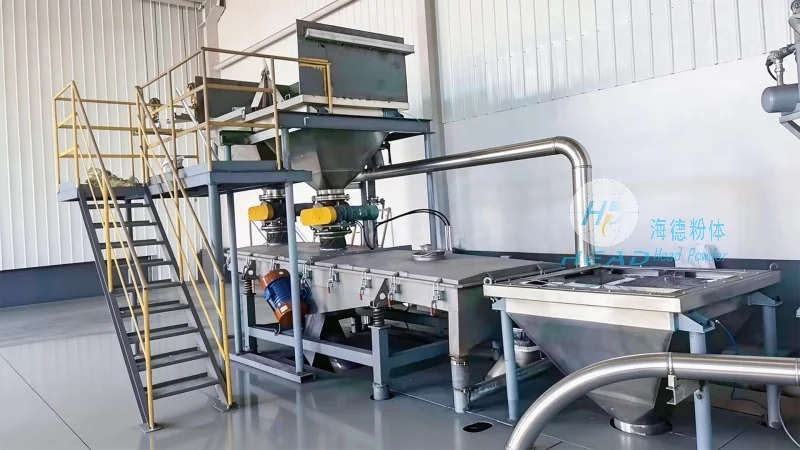
Components and Their Roles in the System
Each component of a calcium powder material pneumatic conveying line plays a vital role in the overall operation. The hopper serves as the initial storage container, where calcium powder is loaded and held before being fed into the conveyor system. It is equipped with a discharge valve or gate to control the flow of material into the conveyor line. The conveyor line itself is the main pathway for the material, typically made of stainless steel to prevent contamination and ensure durability. The air nozzle or venturi is a critical component that creates the pressure differential necessary for conveying. As air passes through the nozzle, it accelerates and draws the calcium powder particles into the air stream. The air filter or cyclone at the discharge end separates the powder from the air, allowing the powder to be collected in a receiving container while the air is either recycled or vented to the atmosphere. The control system, which may include sensors and a control panel, monitors and adjusts the air pressure, flow rate, and material feed rate to maintain optimal performance. This system ensures that the conveying process is efficient, consistent, and safe, minimizing the risk of product loss or equipment damage.
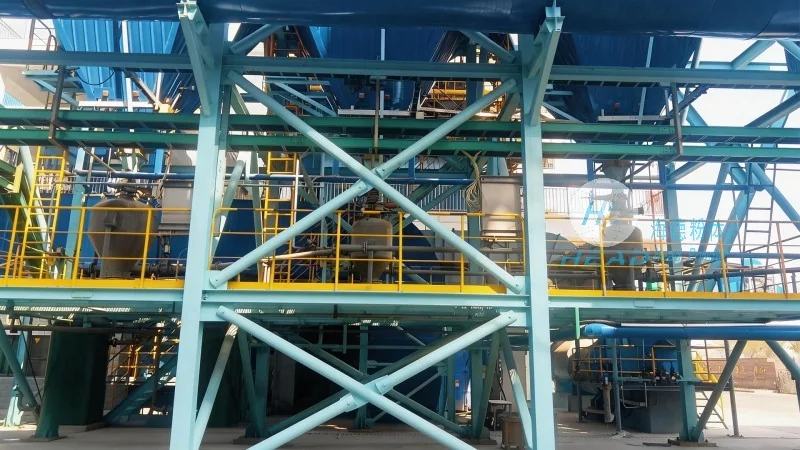
Applications and Benefits in Industrial Settings
Calcium powder material pneumatic conveying lines are widely used in various industrial applications where calcium powder is a key component. In the food industry, for example, these systems are used to transport calcium powder for use in dairy products, beverages, and supplements. The system's ability to maintain product purity and prevent contamination is particularly important in food processing, where regulatory standards are stringent. In the pharmaceutical industry, pneumatic conveying is used to transport calcium-based powders for drug formulations, ensuring that the material remains free from contaminants and maintains its potency. Manufacturing industries also benefit from these systems, as they can efficiently transport calcium powder for use in production processes, such as the manufacturing of calcium carbonate products or other chemical compounds. The benefits of using a pneumatic conveying system for calcium powder include improved safety, as the system minimizes direct human contact with the material and reduces the risk of dust exposure. It also enhances efficiency by allowing for continuous operation and reduced downtime compared to traditional methods. Additionally, the system can handle a wide range of material characteristics, making it versatile for different applications and operational needs.
Company Overview: Shandong HeadPowder Engineering Co., Ltd.
Shandong HeadPowder Engineering Co., Ltd., commonly known as HeadPowder, is a leading manufacturer and supplier of pneumatic conveying systems and related equipment. With a focus on calcium powder material handling, the company specializes in designing and manufacturing customized solutions that meet the specific needs of industrial clients. HeadPowder's expertise lies in understanding the unique challenges of calcium powder, such as its fine particle size and potential for dusting, and developing systems that address these challenges effectively. The company's products are known for their durability, efficiency, and compliance with industry standards, making them a trusted choice for businesses in the food, pharmaceutical, and manufacturing sectors. HeadPowder's commitment to quality and customer satisfaction is reflected in its comprehensive product line and dedicated support services, which include installation, maintenance, and technical assistance. By leveraging advanced technology and engineering expertise, HeadPowder provides reliable solutions that enhance operational efficiency and product quality for its clients.