

What is a Heavy Calcium Powder Material Pneumatic Conveying Machine? What is its Design Principle?
For industrial applications involving the handling of heavy calcium powder, efficient and reliable material transport is crucial. A heavy calcium powder material pneumatic conveying machine, also known as a pneumatic conveyor, is a specialized system designed to move bulk powders like heavy calcium carbonate through a pipeline using air or gas as the conveying medium. This technology offers advantages such as reduced contamination, minimal product degradation, and the ability to transport materials over long distances without the need for mechanical components like belts or buckets.
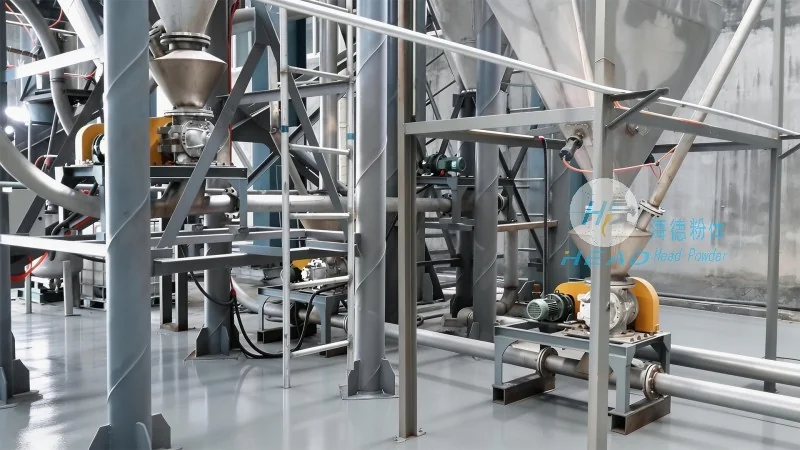
Introduction to Heavy Calcium Powder Pneumatic Conveying Systems
Heavy calcium powder, commonly used in industries like paper, plastics, and coatings, presents unique challenges during material handling due to its fine particle size and density. Traditional methods like belt conveyors or bucket elevators may not be suitable for such powders as they can cause dust, product degradation, or blockages. Pneumatic conveying systems provide a solution by utilizing air pressure to move the powder through a sealed pipeline, ensuring a clean and efficient transport process. The design of these systems is tailored to the specific characteristics of heavy calcium powder, including its flowability, particle size distribution, and moisture content.
Design Principles of Heavy Calcium Powder Pneumatic Conveying Machines
The core design principle of a pneumatic conveying machine is to create a pressure differential that propels the powder through the system. There are two main types of pneumatic conveying: pressure and vacuum systems. In pressure systems, the conveying air is compressed and introduced at the discharge end of the pipeline, pushing the powder forward. Vacuum systems, on the other hand, use a vacuum pump to draw the powder from the source and transport it to the destination. For heavy calcium powder, pressure systems are often preferred as they can handle higher material loads and provide better control over the conveying process.
A key component in the design is the air-liquid separator or cyclone separator, which separates the powder from the conveying air at the end of the pipeline. This separator is critical for recovering the material and ensuring that the air is clean before it is discharged or recirculated. The design of the separator must be optimized to handle the specific properties of heavy calcium powder, such as its particle size and density, to maximize recovery efficiency and minimize air loss.

Key Components and Their Functions
Several key components make up a heavy calcium powder pneumatic conveying machine, each playing a vital role in the overall system performance. The main components include the material hopper, feeder, air compressor or vacuum pump, conveying pipeline, and the separator. The material hopper stores the heavy calcium powder and provides a consistent feed to the system. The feeder, typically a rotary valve or a screw feeder, controls the flow rate of the powder into the pipeline, ensuring a stable and controlled conveying process. The air compressor or vacuum pump generates the necessary pressure or vacuum to move the material through the pipeline. The conveying pipeline is usually made of stainless steel or other corrosion-resistant materials to prevent contamination and ensure durability. The separator, as mentioned earlier, separates the powder from the air and recovers the material for reuse.
Advantages of Using Pneumatic Conveying for Heavy Calcium Powder
Implementing a pneumatic conveying system for heavy calcium powder offers several advantages over traditional material handling methods. First, it provides a clean and hygienic transport process, as the material is contained within a sealed pipeline, preventing dust and contamination. This is particularly important in industries where product purity is critical, such as food and pharmaceuticals. Second, pneumatic conveying reduces product degradation by minimizing friction and impact during transport. Heavy calcium powder is sensitive to mechanical stress, and traditional conveyors can cause agglomeration or particle breakage, which affects the final product quality. Third, the system allows for flexible and scalable transport, as the pipeline can be easily extended or modified to accommodate changes in production volume or layout. Additionally, pneumatic conveying systems are energy-efficient compared to mechanical conveyors, as they use less power to transport the same amount of material over long distances.

Applications and Industries
Heavy calcium powder pneumatic conveying machines are widely used in various industries that rely on bulk powder handling. In the paper industry, these systems are used to transport heavy calcium carbonate from storage to the papermaking process, ensuring a consistent and high-quality input material. In the plastics industry, they are used to convey the powder to extrusion lines, where it is mixed with other polymers to produce plastic products. The coatings industry also utilizes pneumatic conveying systems to transport heavy calcium powder to coating lines, where it is used as a filler or pigment. Other applications include the chemical industry, where the powder is used as a raw material in various chemical processes, and the construction industry, where it is used as a filler in concrete and other building materials.
Maintenance and Operational Considerations
Proper maintenance and operational considerations are essential to ensure the long-term performance and efficiency of a heavy calcium powder pneumatic conveying machine. Regular cleaning of the pipeline and separator is necessary to prevent blockages and maintain high recovery rates. The air compressor or vacuum pump should be checked regularly for proper operation and maintenance to avoid energy waste and system failures. The feeder and hopper should be inspected for any signs of wear or damage, as these components are critical to the consistent flow of the powder. Additionally, monitoring the pressure and flow rates in the system can help identify any issues early and prevent downtime. Proper training of operators on the system's operation and maintenance is also crucial to ensure safe and efficient operation.
Conclusion
A heavy calcium powder material pneumatic conveying machine is a sophisticated and efficient solution for handling bulk powders in industrial applications. By leveraging the principles of pneumatic transport, these systems provide a clean, hygienic, and reliable method for moving heavy calcium powder over long distances. The design, components, and operational considerations of such systems are tailored to the specific characteristics of the material, ensuring optimal performance and product quality. For industries that rely on heavy calcium powder, investing in a well-designed pneumatic conveying system is a strategic decision that can enhance operational efficiency, reduce costs, and improve product quality.