

What is an Electric Calcined Carbon Black Material Pneumatic Conveying Machine? And What Are Its Des
Electric calcined carbon black is a critical material in various industrial applications, and the efficient handling of this material often requires specialized equipment. The electric calcined carbon black material pneumatic conveying machine is a key solution for transporting such powders, offering a reliable and effective method for material transfer. This article explores the concept of this equipment and delves into its design principles, providing insights into how it operates and its advantages in industrial settings.
Introduction to Electric Calcined Carbon Black Material Pneumatic Conveying Machines
Electric calcined carbon black, also known as carbon black, is a black powder produced by the incomplete combustion of hydrocarbon fuels. It is widely used in rubber, plastics, and coatings industries due to its excellent reinforcing properties. The handling of this fine powder requires equipment that can transport it without causing dust, clogging, or degradation. The pneumatic conveying machine is a type of equipment that uses air or gas to move powders through a pipeline system, making it an ideal solution for electric calcined carbon black material transport.
Company Profile: Shandong HeadPowder Engineering Co., Ltd.
Shandong HeadPowder Engineering Co., Ltd., commonly known as HeadPowder, is a leading manufacturer in the field of material handling equipment. With a focus on innovation and quality, the company specializes in designing and producing pneumatic conveying systems tailored to the needs of various industries. HeadPowder's expertise lies in understanding the unique challenges of handling fine powders like electric calcined carbon black, and their solutions are engineered to ensure efficient, safe, and reliable material transport. The company's facilities are located in Shandong, China, where they leverage advanced technology and skilled craftsmanship to deliver high-performance equipment to global markets.
Design Principles of Pneumatic Conveying Machines for Electric Calcined Carbon Black
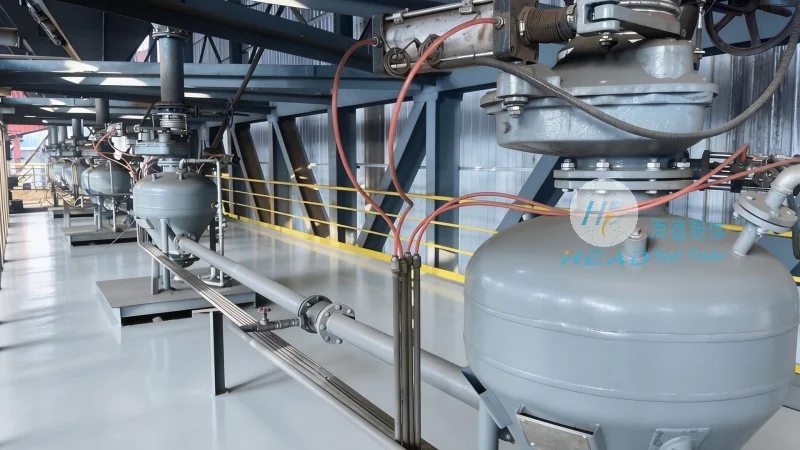
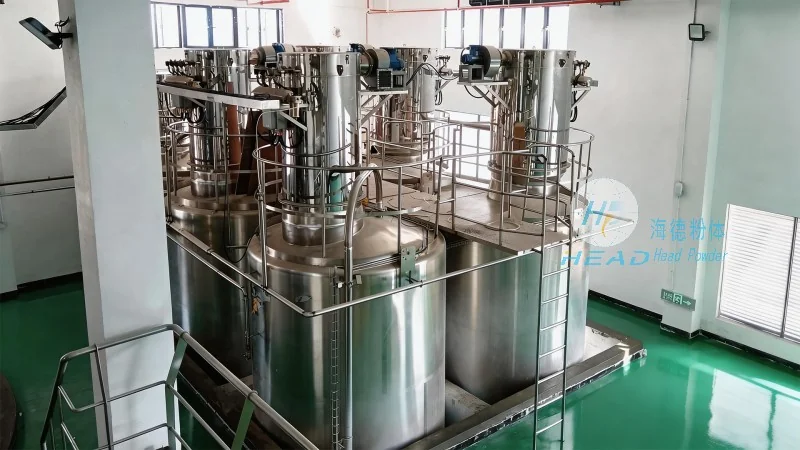
The design of a pneumatic conveying machine for electric calcined carbon black involves several key principles aimed at optimizing material transport efficiency and minimizing operational issues. The primary design considerations include the type of conveying system (positive or negative pressure), the material's properties (such as particle size, density, and moisture content), and the required transport distance and capacity. Positive pressure systems, where air is forced through the pipeline, are commonly used for electric calcined carbon black due to their ability to handle long distances and multiple transfer points without significant pressure loss. The system typically consists of a blower, a hopper for material storage, a feeder to control the flow rate, and a pipeline network that transports the material to the destination. The design also incorporates features like cyclone separators and filters to separate the material from the air stream, ensuring that the material is delivered to the target location while the air is safely vented or recycled.
Key Components and Their Functions in the Pneumatic Conveying System
Several critical components work together to ensure the smooth operation of a pneumatic conveying machine for electric calcined carbon black. The blower or air compressor is the heart of the system, providing the necessary air pressure to move the material through the pipeline. The hopper, often equipped with a discharge valve, stores the electric calcined carbon black and allows for controlled feeding. The feeder, which can be a rotary valve or a screw feeder, regulates the flow rate of the material, preventing overloading and ensuring consistent transport. The pipeline system, made of materials resistant to the corrosive nature of carbon black, connects the components and guides the material to the destination. Cyclone separators are installed at the receiving end to separate the material from the air, collecting the carbon black in a hopper for further use. Filters may also be included to remove any fine particles from the air before it is discharged or recycled, maintaining air quality and preventing contamination.
Advantages of Using Pneumatic Conveying for Electric Calcined Carbon Black
Employing a pneumatic conveying machine for electric calcined carbon black offers numerous advantages over traditional methods like bucket elevators or belt conveyors. One of the most significant benefits is the ability to transport the material in a closed system, which prevents dust emissions and protects the environment. This is particularly important for electric calcined carbon black, as it is a fine powder that can easily become airborne and cause respiratory issues or environmental pollution. The closed system also ensures that the material remains clean and free from contamination, which is crucial for maintaining product quality in industries like rubber and plastics. Additionally, pneumatic conveying systems are capable of handling long distances and multiple transfer points without significant pressure loss, making them suitable for large-scale industrial applications. The flexibility of the system allows for easy integration into existing production lines, and the ability to control the flow rate ensures precise material delivery. Furthermore, the system is relatively low in maintenance compared to other bulk material handling equipment, reducing operational costs over time.

Applications and Industries Using Electric Calcined Carbon Black Pneumatic Conveying Machines
The electric calcined carbon black material pneumatic conveying machine is widely used in various industries that rely on carbon black as a key ingredient. In the rubber industry, carbon black is used as a reinforcing agent in tires, rubber gloves, and other products, and the conveying machine ensures that the material is delivered to the mixing and processing equipment without any loss or contamination. In the plastics industry, carbon black is added to polyolefins and other polymers to improve their color and UV resistance, and the pneumatic system efficiently transports the powder to the extrusion and molding machines. The coatings industry also utilizes carbon black in paint and varnish formulations, and the conveying machine helps in the precise delivery of the material to the mixing tanks. Other applications include the production of carbon black-based inks, pigments, and specialty chemicals, where the material needs to be handled with care to maintain its quality and properties. The versatility of the pneumatic conveying system makes it suitable for a wide range of industrial processes, ensuring that electric calcined carbon black is handled efficiently and safely in various production settings.
Conclusion and Future Developments
In conclusion, the electric calcined carbon black material pneumatic conveying machine is a vital piece of equipment for industries that rely on this critical material. Its design principles, which focus on efficient material transport and environmental protection, make it an ideal solution for handling fine powders like carbon black. The system's ability to operate in a closed environment, handle long distances, and maintain product quality makes it a preferred choice over traditional bulk handling methods. As industries continue to demand higher efficiency and environmental standards, the development of advanced pneumatic conveying systems will likely focus on improving energy efficiency, reducing maintenance requirements, and enhancing the overall performance of the equipment. Shandong HeadPowder Engineering Co., Ltd. remains at the forefront of this development, continuously innovating to provide cutting-edge solutions for the material handling needs of global industries.