

What is an Alumina Material Pneumatic Conveying Machine? And What Are Its Design Principles?
Alumina, a critical material in various industrial applications, often requires efficient and reliable transportation systems. The alumina material pneumatic conveying machine is a specialized equipment designed to handle the transport of alumina powder or granules through a pneumatic system. This article explores the fundamental concepts of such machines and delves into their design principles, providing a comprehensive understanding for industry professionals.
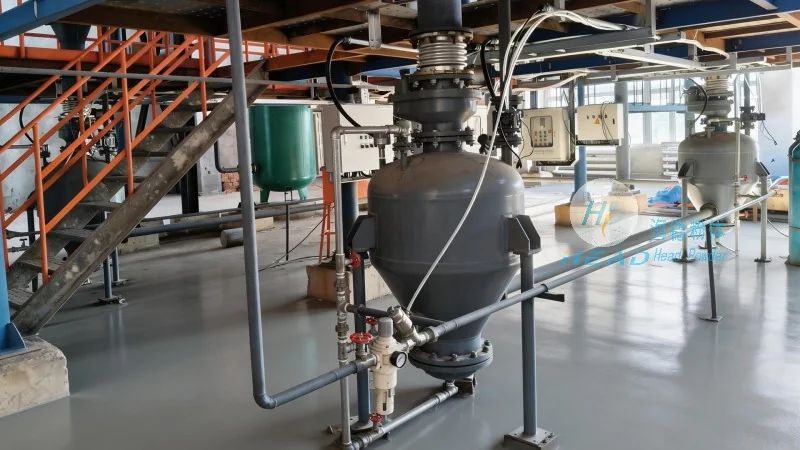
HeadPowder: A Leading Manufacturer of Pneumatic Conveying Solutions
Shandong HeadPowder Engineering Co., Ltd., headquartered in Shandong, China, is a prominent company in the field of pneumatic conveying technology. With years of expertise and a commitment to innovation, HeadPowder specializes in developing and manufacturing high-quality alumina material pneumatic conveying machines tailored to meet diverse industrial needs. The company’s products are engineered to ensure optimal performance, safety, and efficiency in alumina handling processes.
Understanding Pneumatic Conveying for Alumina
Pneumatic conveying is a method of transporting bulk materials, such as alumina, using a gas stream (usually air) to move the material through a pipeline. This technology offers several advantages over traditional conveying methods, including reduced labor costs, minimized material contamination, and enhanced process control. For alumina, which is often used in applications like ceramics, refractories, and chemical industries, the choice of an appropriate pneumatic conveying system is crucial for maintaining product quality and operational efficiency.
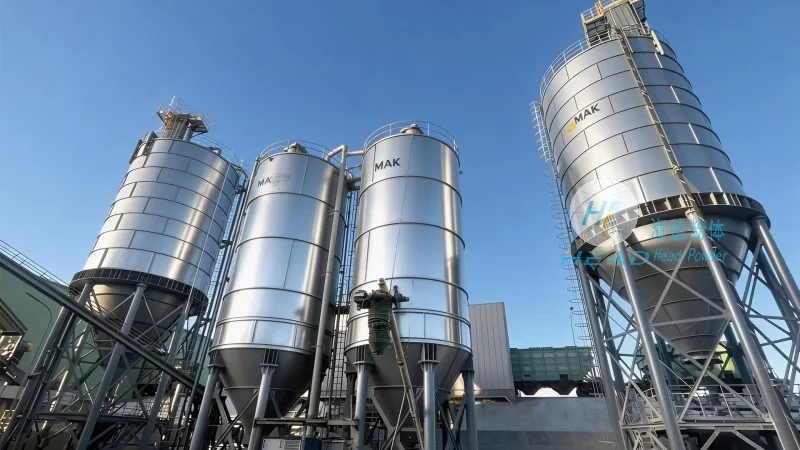
Design Principles of Alumina Material Pneumatic Conveying Machines
The design of an alumina material pneumatic conveying machine involves several key principles that ensure effective and safe operation. First, the machine must be capable of handling the specific properties of alumina, including its particle size, density, and flow characteristics. The system typically consists of a feeding unit, a conveying line, a separation unit, and a discharge unit. The feeding unit ensures that alumina is introduced into the system at a controlled rate, preventing blockages and maintaining consistent flow. The conveying line, often equipped with pressure or vacuum systems, transports the material to the desired location. The separation unit, such as a cyclone or filter, separates the alumina from the air stream, allowing for clean material recovery and air filtration. Finally, the discharge unit collects the alumina and prepares it for further processing.
Key Components and Their Functions
Several critical components contribute to the efficient operation of an alumina material pneumatic conveying machine. The feeding device, which may include a hopper or a rotary valve, regulates the flow of alumina into the system. The air compressor or vacuum pump provides the necessary pressure or suction to move the material through the pipeline. The pipeline itself is designed to minimize friction and pressure losses, often using smooth, corrosion-resistant materials like stainless steel or polyethylene. The separation equipment, such as a cyclone separator, uses centrifugal force to separate alumina particles from the air, ensuring that the material is collected without contamination. The discharge system, including a receiver or silo, stores the transported alumina until it is ready for use.
Advantages of Using Alumina Pneumatic Conveying Machines
Implementing an alumina material pneumatic conveying machine offers numerous benefits for industrial operations. One of the primary advantages is the ability to transport alumina in a closed system, which reduces dust emissions and improves workplace safety. This is particularly important in environments where alumina dust can pose health risks or interfere with other processes. Additionally, pneumatic conveying systems can handle both dry and wet alumina, adapting to different processing requirements. The flexibility of these machines allows for easy integration into existing production lines, minimizing downtime and enhancing overall productivity. Furthermore, the automated nature of the system reduces the need for manual handling, lowering labor costs and improving operational consistency.
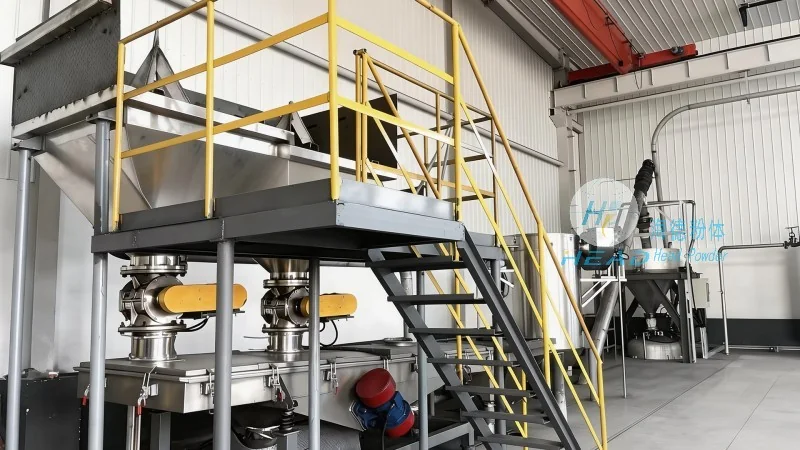
Applications in Various Industries
Alumina material pneumatic conveying machines are widely used across multiple industries due to the versatility of alumina. In the ceramics industry, these machines efficiently transport alumina powders for tile and pottery production. In the refractory industry, they handle alumina granules used in the manufacturing of high-temperature materials. The chemical industry also benefits from these systems when processing alumina as a raw material for various chemical compounds. Additionally, in the pharmaceutical and food industries, where alumina is used as an excipient or filler, the closed and sanitary design of the conveying machine ensures product purity and compliance with regulatory standards.
Maintenance and Operational Considerations
Proper maintenance is essential to ensure the long-term performance and reliability of an alumina material pneumatic conveying machine. Regular inspections of the feeding unit, pipeline, and separation equipment are necessary to detect and address any issues promptly. Cleaning the system, especially the cyclone and filters, prevents clogging and maintains optimal airflow. The air compressor or vacuum pump should be maintained to ensure consistent pressure or suction levels. Additionally, monitoring the material flow rate and pressure within the system helps identify any deviations from normal operation, allowing for timely adjustments. By adhering to proper maintenance practices, users can extend the lifespan of the equipment and minimize operational disruptions.