

What is a Chocolate Material Pneumatic Conveyor? And What Are Its Design Principles?
Chocolate material pneumatic conveyors are specialized equipment designed to transport chocolate and related ingredients efficiently within industrial production lines. These systems utilize air as the primary medium to move bulk materials, offering a hygienic and flexible solution for handling delicate chocolate products. The design principles behind these conveyors are centered on ensuring optimal performance, maintaining product quality, and adapting to the unique characteristics of chocolate materials. Developed by Shandong HeadPowder Engineering Co., Ltd., a leading manufacturer based in Shandong, China, these systems are engineered to meet the stringent requirements of modern chocolate production.
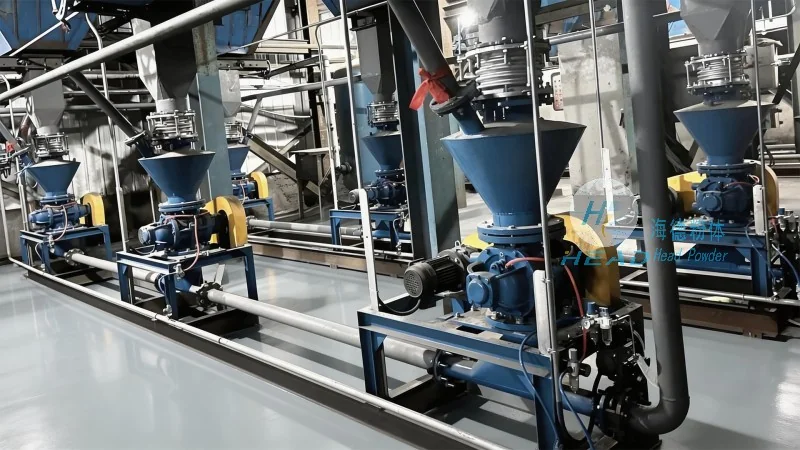
Understanding the Role of Pneumatic Conveyors in Chocolate Manufacturing
In the chocolate industry, the seamless and hygienic transfer of ingredients like cocoa powder, sugar, and other additives is critical for maintaining product consistency and quality. Traditional conveyor systems may struggle with the fine particles and moisture content of chocolate materials, leading to issues such as clogging or contamination. Pneumatic conveyors address these challenges by using compressed air to create a flow that propels the material through a sealed pipeline. This method not only prevents cross-contamination but also minimizes the risk of product degradation, making it an ideal choice for high-standard chocolate production.
Key Components and Design Principles of Chocolate Material Pneumatic Conveyors
The design of a chocolate material pneumatic conveyor involves several critical components that work in harmony to ensure efficient operation. The primary elements include the air compressor, which generates the necessary pressure to move the material; the hopper or feed inlet, where the chocolate ingredients are loaded; the pipeline system, which transports the material from one point to another; and the discharge outlet, where the material is released at the destination. Each component is engineered to handle the specific properties of chocolate, such as its fine particle size and potential stickiness, ensuring smooth and consistent flow.
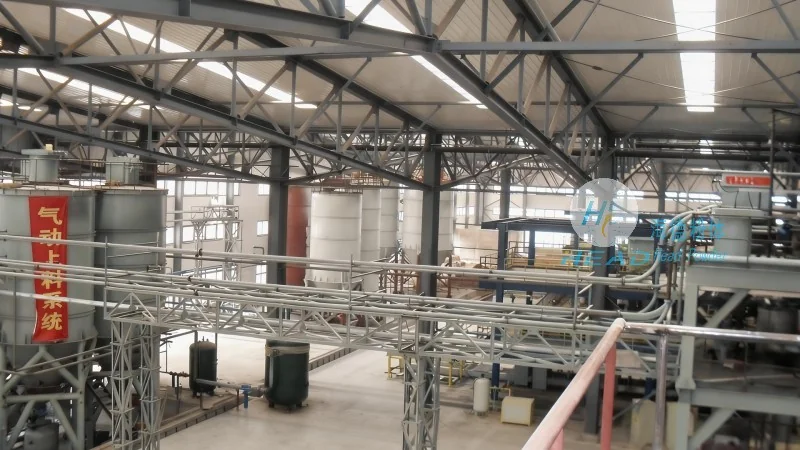
A key design principle is the use of a positive displacement or negative pressure system. Positive displacement systems use a pump to push air and material through the pipeline, while negative pressure systems create a vacuum to draw the material in. For chocolate applications, a combination of these approaches is often employed to achieve optimal control over the material flow rate and pressure. The system is also designed with stainless steel or food-grade materials to meet stringent hygiene standards, ensuring that the equipment can be easily cleaned and sanitized between batches.
The Advantages of Using Pneumatic Conveyors for Chocolate Processing
Implementing a chocolate material pneumatic conveyor offers numerous advantages for manufacturers. Firstly, it provides a hygienic and enclosed environment, which is essential for maintaining the quality and safety of chocolate products. Unlike open belt or screw conveyors, pneumatic systems prevent dust and contamination from entering the production line, reducing the risk of product recalls or quality issues. Secondly, these systems offer flexibility in layout, allowing for horizontal, vertical, or even inclined transport of materials, which can optimize the use of factory space and streamline production processes.
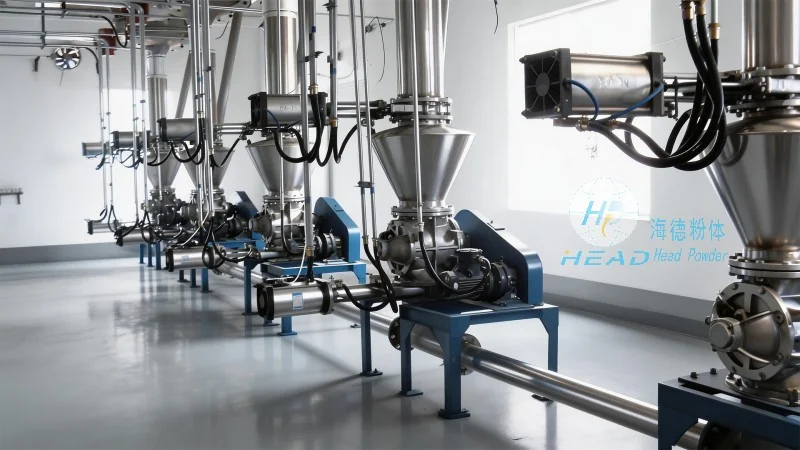
Another significant advantage is the ability to handle a wide range of chocolate ingredients, from fine powders to semi-solid masses. The adjustable air pressure and flow rate allow operators to customize the conveyor's performance to match the specific characteristics of each ingredient, ensuring consistent and reliable material transfer. This adaptability makes pneumatic conveyors suitable for various stages of chocolate production, including ingredient blending, mixing, and packaging.
Design Considerations for Optimal Performance
To ensure the long-term efficiency and reliability of a chocolate material pneumatic conveyor, several design considerations must be taken into account. The system must be designed to handle the potential for clogging, which can occur with fine chocolate powders. This is typically addressed through the use of special hopper designs, such as conical hoppers with air knives or vibrators, to prevent material buildup and ensure a steady flow. Additionally, the pipeline diameter and length must be carefully calculated to maintain the appropriate air-to-material ratio, preventing excessive pressure drops that could lead to material deposition or system failure.
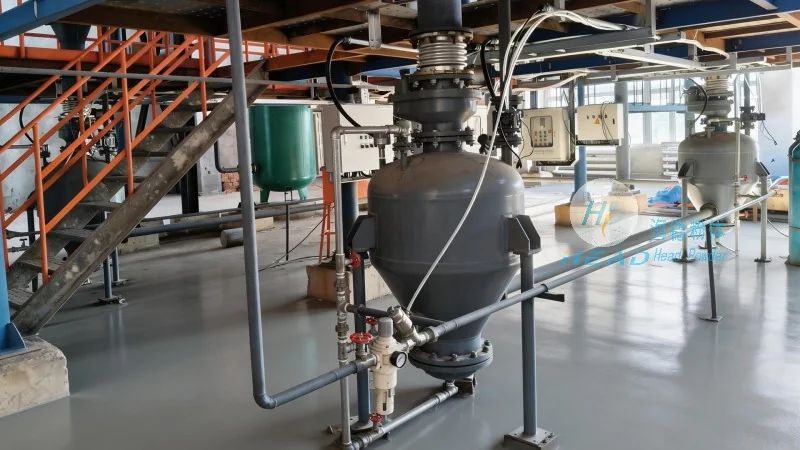
Energy efficiency is another critical factor in the design of these conveyors. Modern systems incorporate energy-saving features, such as variable frequency drives (VFDs) for the air compressor, which adjust the motor speed based on the required flow rate. This not only reduces energy consumption but also extends the lifespan of the equipment by minimizing wear and tear. Furthermore, the use of food-grade materials and easy-to-clean components ensures that the conveyor can be maintained with minimal downtime, contributing to overall operational efficiency.
Conclusion: The Importance of Specialized Equipment in Chocolate Production
Chocolate material pneumatic conveyors represent a sophisticated solution for the efficient and hygienic handling of chocolate ingredients in industrial settings. By understanding the design principles and components of these systems, manufacturers can optimize their production processes, maintain product quality, and enhance operational efficiency. As the chocolate industry continues to evolve, the use of advanced pneumatic conveying technology will remain a key factor in meeting the demands of modern production, ensuring that high-quality chocolate products reach consumers safely and consistently.