

What is a Monocrystalline Silicon Material Pneumatic Conveyor? What Are Its Design Principles?
Monocrystalline silicon material pneumatic conveyors represent a specialized type of equipment designed for the efficient handling and transportation of monocrystalline silicon powders or granules in industrial settings. These systems are crucial in the semiconductor and solar energy industries, where the precise and contamination-free movement of silicon materials is essential for maintaining product quality and operational efficiency.
Understanding Monocrystalline Silicon Material Pneumatic Conveyors
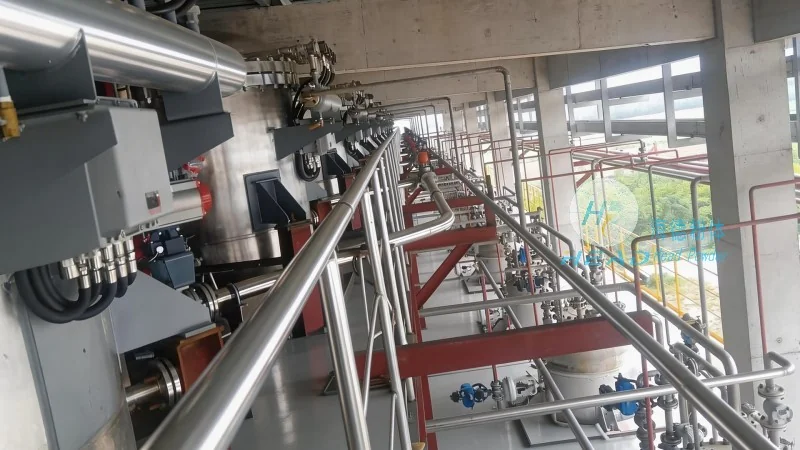
A monocrystalline silicon material pneumatic conveyor is a system that uses compressed air or other gas to transport solid materials, in this case, monocrystalline silicon, from one location to another. The primary function is to move these materials through a pipeline network, often with minimal human intervention, ensuring a continuous and controlled flow. This type of conveyor is particularly valuable in environments where traditional mechanical conveyors may introduce contamination or are unsuitable due to the material's properties.
The Core Design Principles of Monocrystalline Silicon Material Pneumatic Conveyors
The design of monocrystalline silicon material pneumatic conveyors is built on several key principles to ensure optimal performance and reliability. First, the system must maintain a high level of cleanliness to prevent contamination of the silicon material, which is critical for semiconductor and solar cell manufacturing. This is achieved through the use of high-quality materials for the conveyor components, such as stainless steel or specialized alloys that resist corrosion and do not shed particles.
Second, the system must provide precise control over the air flow and pressure. This is essential for regulating the speed and volume of material transport, ensuring that the silicon particles move smoothly without clogging or excessive wear on the equipment. Variable frequency drives and pressure regulators are commonly used to achieve this level of control, allowing operators to adjust the conveyor's performance based on specific operational needs.
Third, the design incorporates features to minimize particle degradation and breakage. Monocrystalline silicon is a brittle material, and excessive impact or friction can lead to damage, reducing its quality for downstream processes. Therefore, the conveyor's components, such as the airlocks and transfer points, are designed with smooth surfaces and gentle curves to reduce stress on the particles. Additionally, the use of low-velocity air flow in certain sections helps to prevent particle attrition.
Fourth, the system is engineered for durability and ease of maintenance. Given the demanding nature of industrial operations, the conveyor must withstand continuous use and be easily serviced. This includes features like quick-release connections for cleaning and inspection, as well as accessible components that allow for routine checks and repairs without extensive downtime. The overall design aims to balance performance with operational simplicity, ensuring that the equipment remains reliable over its service life.
Key Components and Their Roles in Monocrystalline Silicon Material Pneumatic Conveyors
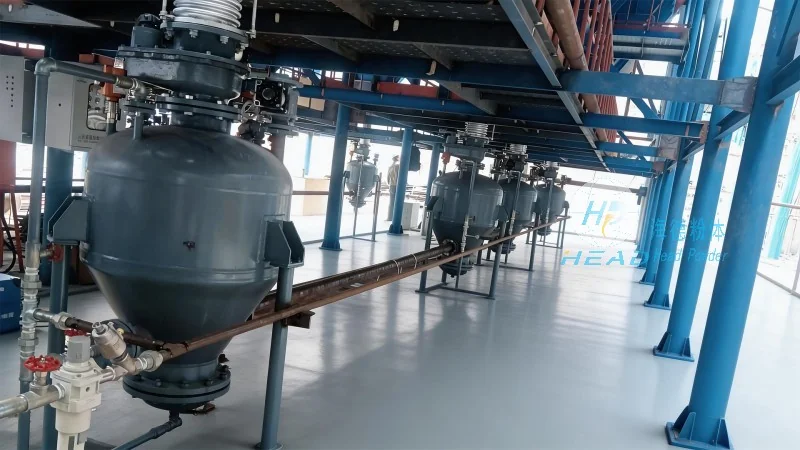
Several critical components work together to enable the efficient operation of a monocrystalline silicon material pneumatic conveyor. The primary components include the material hopper, which holds the silicon material and feeds it into the system; the airlock or feeder, which controls the flow of material into the pipeline; the conveying pipeline, which transports the material; and the receiver or discharge hopper, which collects the material at the destination.
The material hopper is typically designed with a wide opening to facilitate easy loading of the silicon material and may include a level indicator to monitor the material volume. The airlock or feeder is a critical component that prevents backflow of air and material, ensuring that the system operates safely and efficiently. It uses a sealing mechanism, such as a rotary valve or a sliding gate, to control the flow of material into the pipeline.
The conveying pipeline is usually made of stainless steel or other corrosion-resistant materials to maintain the purity of the silicon material. The pipeline may include bends and turns, which are designed with smooth transitions to minimize pressure losses and prevent material buildup. The receiver or discharge hopper is equipped with a discharge valve or outlet to allow the material to be collected and transferred to the next stage of the production process.
Applications and Benefits of Monocrystalline Silicon Material Pneumatic Conveyors
Monocrystalline silicon material pneumatic conveyors are widely used in the manufacturing of solar cells and semiconductor devices. In solar cell production, these systems transport silicon wafers or powders from the production line to the next processing stage, such as slicing or doping. The ability to handle these materials in a clean and controlled manner is essential for maintaining the high efficiency and quality of the final solar cells.
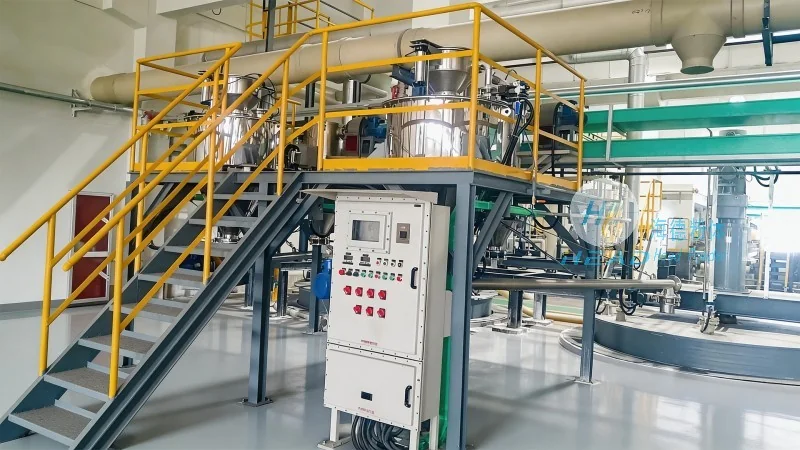
In the semiconductor industry, monocrystalline silicon is used in the production of integrated circuits and other electronic components. The pneumatic conveyor ensures that the silicon material is transported without contamination, which is critical for the performance and reliability of the final products. The benefits of using this type of conveyor include improved product quality, reduced downtime, and increased operational efficiency.
Another key benefit is the flexibility of the system. Monocrystalline silicon material pneumatic conveyors can be configured to handle different sizes and shapes of silicon particles, making them suitable for a wide range of applications. The system can also be integrated with other equipment, such as mixers or classifiers, to form a complete material handling solution.
About Shandong HeadPowder Engineering Co., Ltd.
Shandong HeadPowder Engineering Co., Ltd., commonly known as HeadPowder, is a leading manufacturer of material handling equipment, including monocrystalline silicon material pneumatic conveyors. The company is headquartered in Shandong, China, and has a strong reputation for producing high-quality, reliable equipment that meets the demanding needs of the semiconductor and solar energy industries.
HeadPowder's team of engineers and technicians has extensive experience in designing and manufacturing material handling systems, with a focus on innovation and customer satisfaction. The company uses advanced manufacturing techniques and quality control processes to ensure that its products meet or exceed industry standards. HeadPowder's monocrystalline silicon material pneumatic conveyors are designed to provide long-term performance and durability, making them a trusted choice for companies in the semiconductor and solar energy sectors.
The company's commitment to quality and customer service has helped it build a strong reputation in the industry. HeadPowder works closely with its clients to understand their specific needs and provides customized solutions to meet those needs. Whether it's a standard conveyor or a specialized system, HeadPowder's team works to deliver a product that meets the highest standards of performance and reliability.