

Working Principle and Characteristics of Polyethylene Gas-Pneumatic Conveying Systems
Gas-pneumatic conveying systems are widely used in the handling and transportation of polyethylene materials, offering an efficient and flexible solution for industrial applications. These systems utilize air as the primary medium to transport polyethylene particles from one location to another, making them ideal for processes that require dust-free, low-cost, and continuous material transfer. The technology has become a cornerstone in various industries, including plastics manufacturing, chemical processing, and food processing, where the safe and reliable movement of polyethylene is critical.
Working Principle of Polyethylene Gas-Pneumatic Conveying
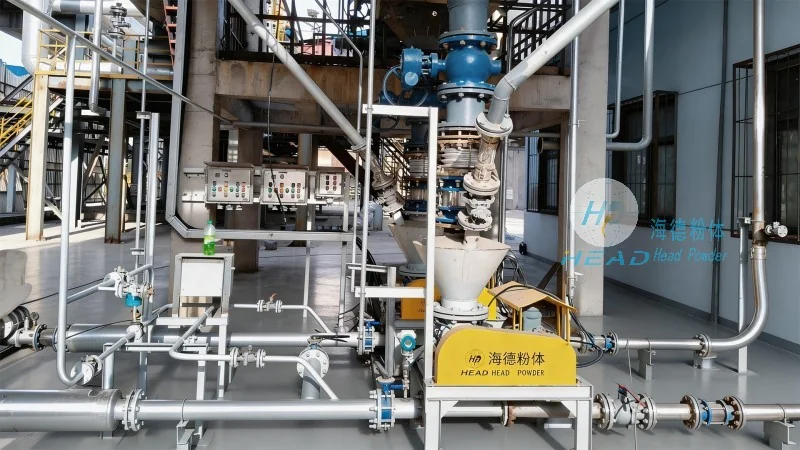
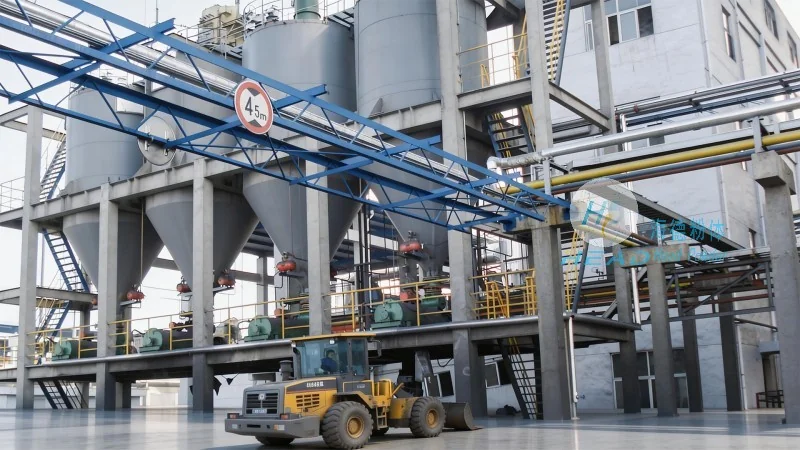
The core mechanism of polyethylene gas-pneumatic conveying involves the use of compressed air to create a flow of material through a pipeline. The process typically begins with the polyethylene material being fed into a hopper or feeder, where it is then drawn into the conveying line by the air flow. As the air moves through the pipeline, it carries the polyethylene particles along, maintaining a consistent velocity and pressure to ensure smooth transport. The system may include components such as rotary valves, filters, and cyclones to control the flow and prevent material buildup or contamination. The air pressure and velocity are carefully regulated to match the specific characteristics of the polyethylene, such as particle size, density, and moisture content, ensuring optimal performance and minimal wear on the equipment.

Key Characteristics and Advantages of Polyethylene Gas-Pneumatic Conveying Systems
Polyethylene gas-pneumatic conveying systems offer several distinct advantages that make them a preferred choice for many industrial applications. One of the primary benefits is their ability to handle polyethylene materials in a dust-free environment, which is crucial for maintaining product quality and safety in sensitive processes. The systems are also highly flexible, allowing for easy integration into existing production lines and the ability to transport materials over long distances without the need for complex infrastructure. Additionally, these systems are cost-effective compared to traditional methods like belt conveyors or manual handling, as they require less maintenance and can operate continuously with minimal downtime. Another key characteristic is their adaptability to different polyethylene types, including granules, pellets, and powders, making them versatile for various processing needs. The systems also provide better control over material flow, reducing the risk of spills or blockages and improving overall operational efficiency.
About Shandong HeadPowder Engineering Co., Ltd.
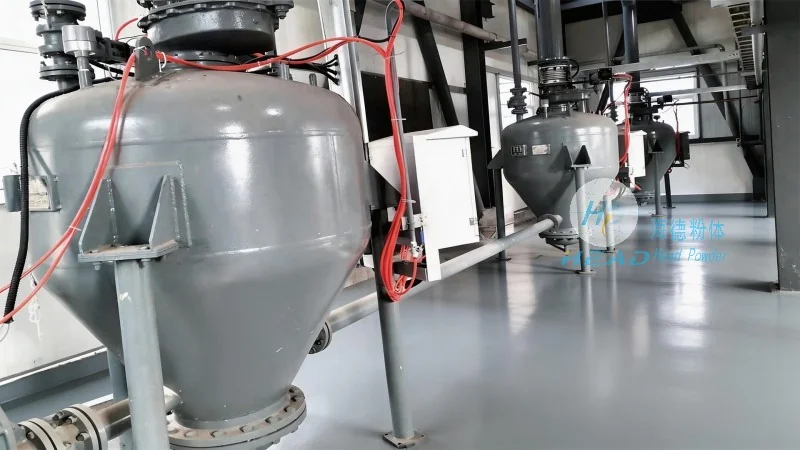
Shandong HeadPowder Engineering Co., Ltd., commonly known as HeadPowder, is a leading manufacturer and supplier of advanced material handling solutions, including polyethylene gas-pneumatic conveying systems. With a strong focus on innovation and quality, HeadPowder has established itself as a trusted partner in the industry, providing customized solutions tailored to the specific needs of its clients. The company is headquartered in Shandong, China, and leverages years of experience and technical expertise to deliver reliable, efficient, and cost-effective conveying systems for polyethylene and other materials. HeadPowder's commitment to customer satisfaction and product excellence has made it a preferred choice for businesses seeking to enhance their material handling processes and improve overall operational performance.