

Working Principle and Features of Dust Gas Pneumatic Conveying Systems
As an essential equipment in industrial dust collection and material handling, the dust gas pneumatic conveying system plays a crucial role in the efficient transport of dust and fine powders. This system is widely used in various industries such as power generation, cement production, and chemical processing, where the handling of bulk materials is a daily operation. The system's design and operation are centered on the principle of pneumatic transport, which utilizes air as the medium to move particulate materials through pipelines.
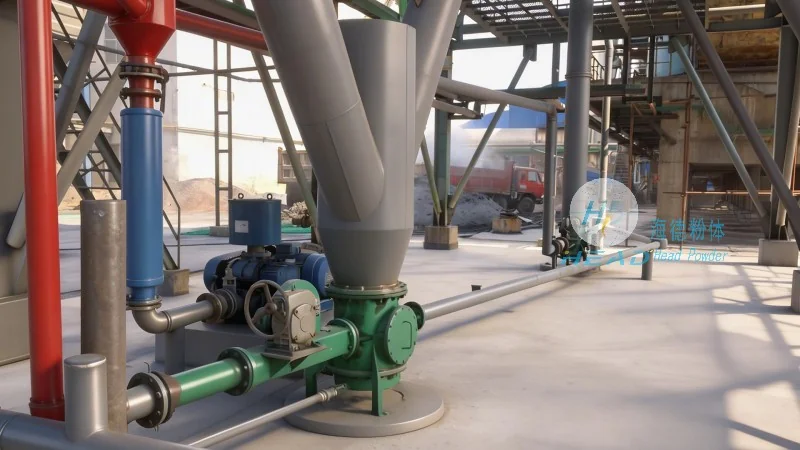
Working Principle of the Dust Gas Pneumatic Conveying System
The core working principle of the dust gas pneumatic conveying system involves the creation of a high-velocity air flow within a pipeline. This air flow is generated by a blower or a fan, which supplies the necessary pressure and velocity to carry the dust particles. The dust particles are typically introduced into the pipeline at a specific point, often through a hopper or a feeder, and are then entrained by the moving air stream. As the air and particles move through the pipeline, they maintain a stable suspension, allowing the material to be transported over long distances without the need for mechanical components like belts or buckets. The system can operate in either positive pressure or negative pressure modes, depending on the application requirements. In positive pressure systems, the pipeline is pressurized with air, pushing the material forward. In negative pressure systems, the pipeline is under vacuum, pulling the material through the line. The choice between these modes depends on factors such as the material's properties, the distance to be covered, and the need for dust containment.
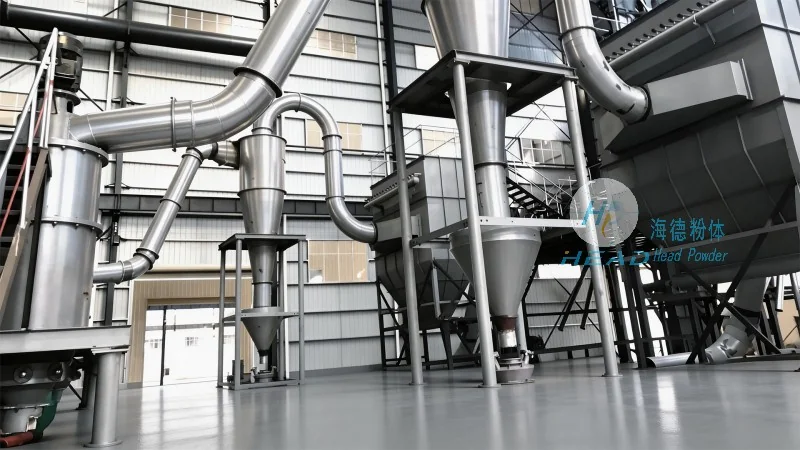
Key Features of the Dust Gas Pneumatic Conveying System
The dust gas pneumatic conveying system offers several distinct features that make it a preferred choice for industrial applications. Firstly, it provides a highly efficient and continuous material transport process. Unlike traditional mechanical conveyors, which may have limitations in terms of material size or shape, the pneumatic system can handle a wide range of dust and powder types, including fine particles that are difficult to move with other methods. This efficiency is further enhanced by the ability to transport materials over long distances with minimal loss or degradation. Secondly, the system is designed with a focus on environmental protection and safety. By using enclosed pipelines and proper air filtration, the system effectively prevents dust emissions into the environment, reducing the risk of airborne particulate contamination. This feature is particularly important in industries where air quality regulations are stringent. Thirdly, the system offers flexibility in terms of layout and integration. It can be easily integrated with existing dust collection systems or other processing equipment, allowing for a customized solution that meets the specific needs of the facility. Additionally, the system's components, such as the blower, hopper, and pipeline, are designed for durability and low maintenance, ensuring long-term operational reliability. The use of advanced materials and engineering designs helps to minimize wear and tear, reducing the need for frequent repairs and maintenance activities.
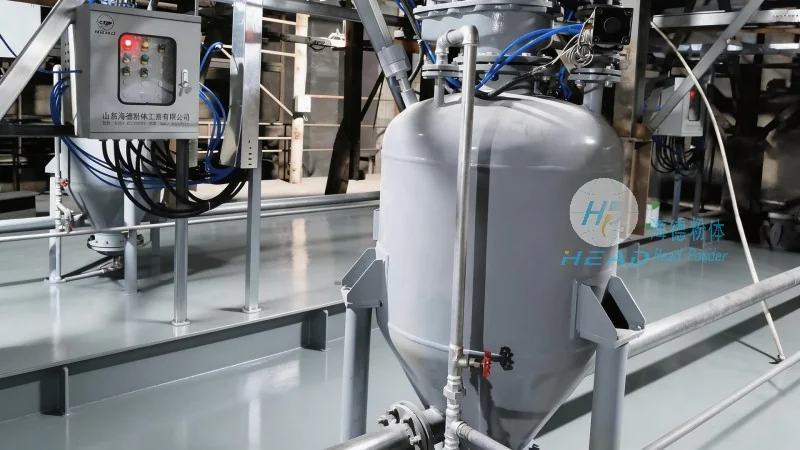
Application and Advantages in Industrial Settings
The dust gas pneumatic conveying system is widely applied in various industrial settings due to its versatility and effectiveness. In power plants, for example, it is used to transport fly ash from the electrostatic precipitators to storage silos or for further processing. In cement factories, the system handles raw materials like limestone and clinker, ensuring a smooth supply chain for the production process. In chemical plants, it is employed to transport powders such as chemicals and pigments, maintaining a clean and controlled environment. The advantages of this system in these applications include the ability to handle large volumes of material with high throughput rates, the reduction of labor costs associated with manual handling, and the improvement of overall operational efficiency. Furthermore, the system's ability to operate in both positive and negative pressure modes allows it to adapt to different process requirements, making it a versatile solution for diverse industrial needs.
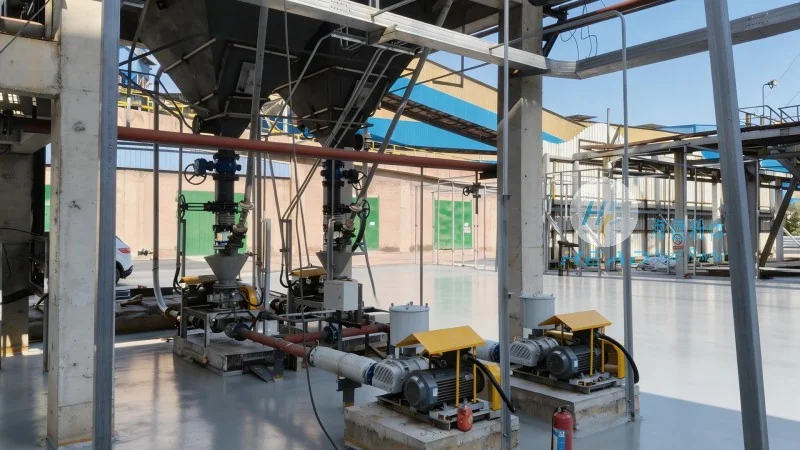
Conclusion and Company Information
Overall, the dust gas pneumatic conveying system is a sophisticated and efficient solution for the transport of dust and fine powders in industrial applications. Its working principle, based on pneumatic transport, and its key features, including efficiency, environmental protection, and flexibility, make it a reliable choice for various industries. As a leading provider in this field, Shandong HeadPowder Engineering Co., Ltd. specializes in the design, manufacturing, and installation of such systems, leveraging advanced technology and engineering expertise to meet the specific needs of clients. With a focus on quality and customer satisfaction, the company ensures that its products are tailored to enhance operational performance and compliance with industry standards. Based in Shandong, China, Shandong HeadPowder Engineering Co., Ltd. continues to innovate and provide cutting-edge solutions for dust and material handling challenges, supporting the growth and sustainability of industrial operations worldwide.