Waste management is a critical aspect of urban infrastructure, and efficient handling of solid waste requires advanced technologies to ensure safety, environmental compliance, and operational efficiency. The waste pneumatic conveying system is a key solution in modern waste processing, offering a reliable method for transporting various types of waste materials. This article provides an overview of the working principle and key features of such systems, highlighting their importance in contemporary waste management practices.
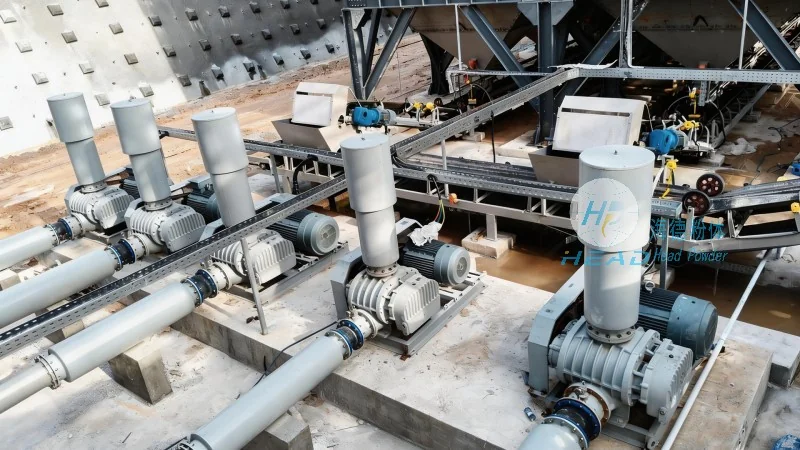
HeadPowder, as the name suggests, specializes in engineering solutions for material handling and waste processing. With a strong presence in Shandong, China, the company has established itself as a leading provider of pneumatic conveying systems tailored for waste management applications. The company’s expertise lies in designing, manufacturing, and installing equipment that meets the stringent requirements of waste processing facilities, ensuring durability, low maintenance, and optimal performance.
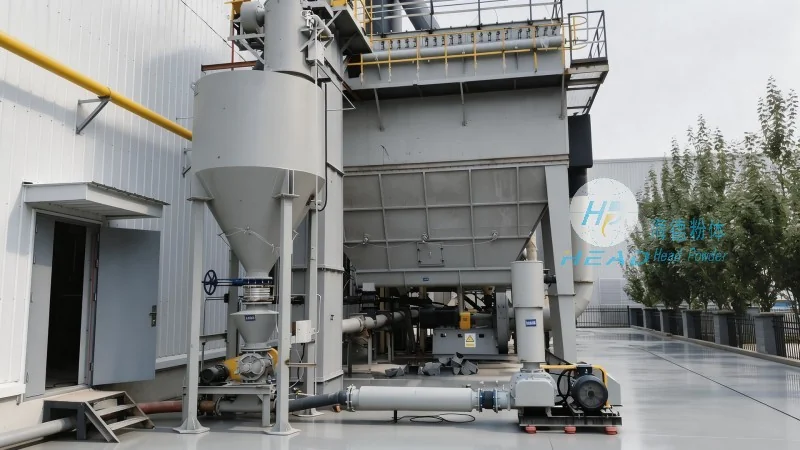
The core of a waste pneumatic conveying system is the use of air pressure to transport solid waste materials through a network of pipes. The system operates on the principle of creating a pressure differential between the inlet and outlet of the conveying line. Typically, the process involves a blower or compressor that generates high-pressure air, which is then introduced into the pipeline. As the air flows through the pipe, it picks up waste particles from the hopper or collection point and carries them to the discharge point. The system can be categorized into two main types: positive pressure and negative pressure systems, each with distinct applications depending on the nature of the waste and the distance to be covered.
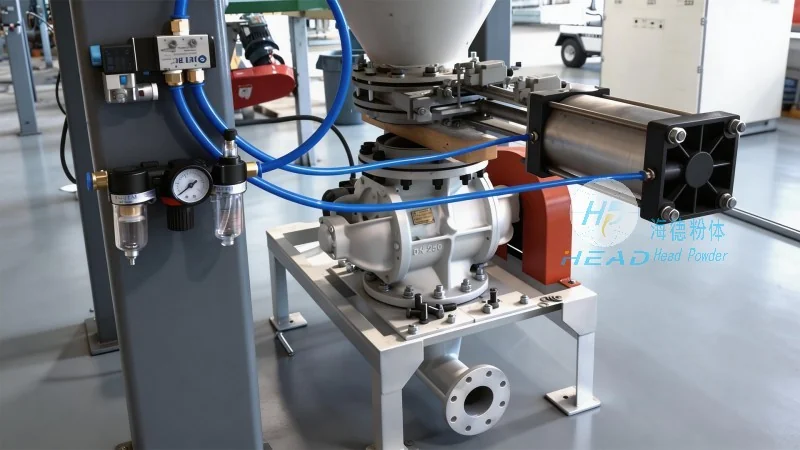
Waste pneumatic conveying systems offer several advantages that make them a preferred choice for waste management operations. One of the primary features is the ability to transport waste materials without direct human contact, enhancing safety and reducing the risk of exposure to hazardous substances. The systems are also highly efficient in terms of space utilization, as they can be installed in compact areas and can handle large volumes of waste with minimal operational footprint. Additionally, the equipment is designed for low maintenance, with components that are durable and resistant to corrosion, ensuring long-term reliability. Another notable feature is the flexibility of the system, which allows for easy integration with existing waste processing infrastructure and can be adapted to handle different types of waste, including organic, inorganic, and mixed waste streams.
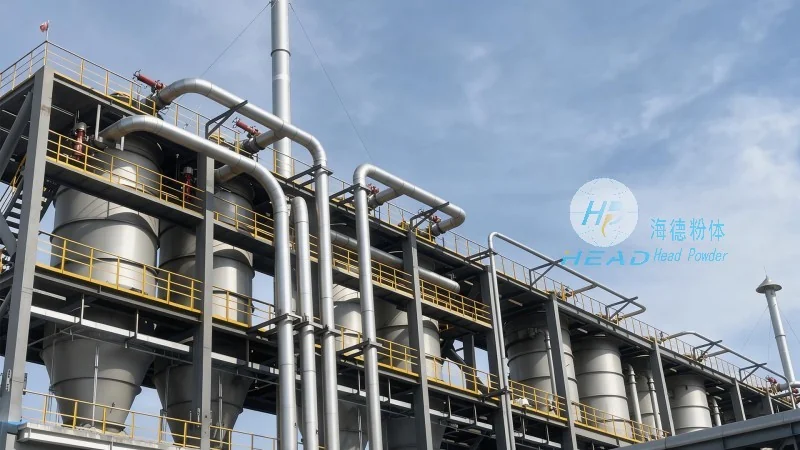
The waste pneumatic conveying system is widely used in various waste processing facilities, including landfills, recycling centers, and waste-to-energy plants. In landfills, the system is used to transport waste from collection points to the disposal area, reducing the need for heavy machinery and manual labor. In recycling centers, it helps in moving sorted materials to processing units, improving the efficiency of the sorting and recycling process. For waste-to-energy plants, the system efficiently transports waste to the combustion chamber, ensuring consistent fuel supply and optimal combustion efficiency. The operational benefits of these systems include reduced labor costs, lower environmental impact due to minimized vehicle emissions, and improved safety by eliminating the need for manual handling of waste.

 Shandong Headpowder Engineering Co., Ltd.
 156-6277-7102(Manager Zhang)
  0531-83386006
  Jinan City, Shandong Province, China
telephone
WeChatconsult
top