

Working Principle and Features of Multi-Point Feeding Material Conveying Systems
Multi-point feeding material conveying systems are essential in modern industrial processes, particularly in sectors that require efficient and flexible material handling. These systems are designed to manage the transportation of bulk materials from multiple feeding points to processing or storage areas. The technology behind such systems is crucial for optimizing workflow, reducing downtime, and enhancing overall operational efficiency. As a leading provider in this field, Shandong HeadPowder Engineering Co., Ltd. specializes in developing and implementing advanced multi-point feeding solutions tailored to diverse industrial needs.
The Working Principle of Multi-Point Feeding Material Conveying
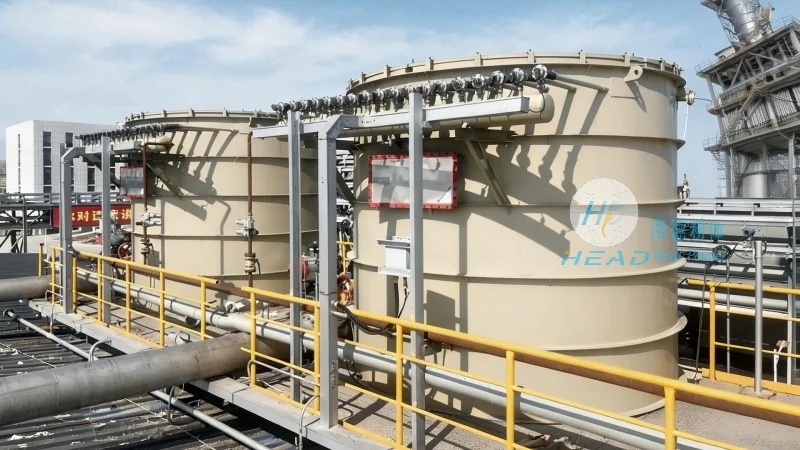
At the core of a multi-point feeding material conveying system is a network of components that work in concert to ensure seamless material flow. The system typically begins with multiple feeding hoppers or chutes, each positioned at different locations where raw materials are stored or introduced. These feeding points are connected to a central conveyor or a series of interconnected conveyors that transport the materials to the desired destination. The key to the system's functionality lies in the control mechanisms that regulate the flow rate from each feeding point, ensuring that the material is distributed evenly and according to the process requirements.
Shandong HeadPowder Engineering Co., Ltd. employs advanced control technologies, such as variable frequency drives (VFDs) and programmable logic controllers (PLCs), to manage the speed and volume of material from each feeding point. This allows for precise control over the material feed, preventing overloading or underfeeding that could disrupt downstream processes. The system also includes sensors and monitoring devices that provide real-time data on material levels, flow rates, and potential blockages, enabling proactive maintenance and adjustments to maintain optimal performance.
Key Features of Multi-Point Feeding Material Conveying Systems
Multi-point feeding material conveying systems offer several distinct advantages that make them ideal for complex industrial applications. One of the primary features is the ability to handle multiple material types simultaneously from different sources, which is particularly useful in facilities that process a variety of raw materials. This flexibility allows for efficient integration into existing production lines without the need for extensive modifications.
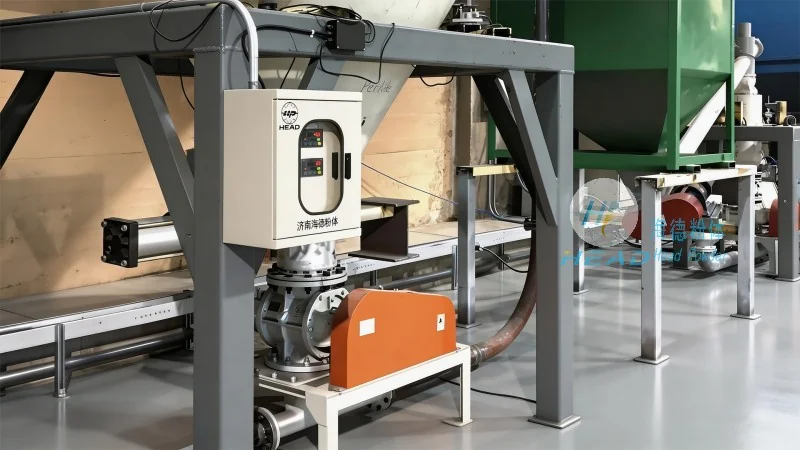
Another significant feature is the system's adaptability to varying production demands. By adjusting the flow rates from individual feeding points, operators can quickly scale up or down the material supply to match production schedules or changes in demand. This dynamic control capability is essential for maintaining productivity while minimizing waste and reducing the risk of material accumulation or bottlenecks.
Efficiency is a critical feature of these systems, as they are engineered to minimize energy consumption and operational costs. The use of high-efficiency motors and optimized conveyor designs reduces power usage, while the precise control of material flow ensures that only the necessary amount of material is transported, avoiding unnecessary energy expenditure. Additionally, the modular design of multi-point feeding systems allows for easy expansion or reconfiguration as production needs evolve, providing long-term value and flexibility.
Application and Integration by Shandong HeadPowder Engineering Co., Ltd.
Shandong HeadPowder Engineering Co., Ltd. specializes in the design, manufacturing, and installation of multi-point feeding material conveying systems tailored to the specific requirements of various industries. The company's expertise lies in understanding the unique challenges of material handling in sectors such as pharmaceuticals, food processing, chemicals, and manufacturing, and developing solutions that address these challenges effectively.
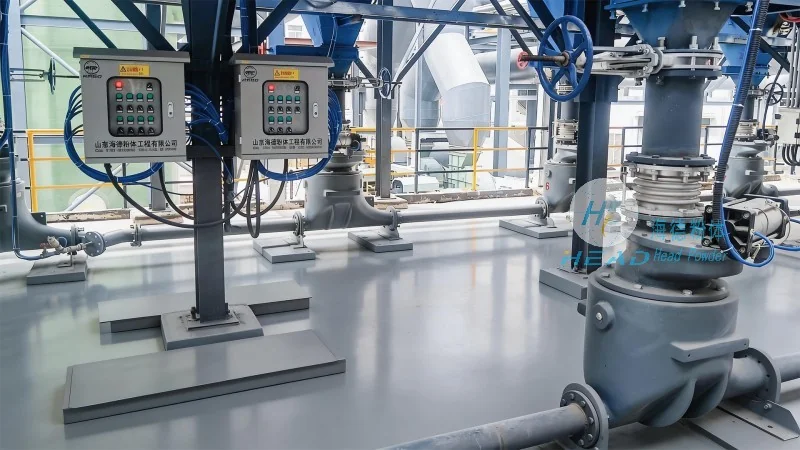
When integrating a multi-point feeding system, Shandong HeadPowder Engineering Co., Ltd. follows a comprehensive approach that includes thorough site assessment, material analysis, and process optimization. The company works closely with clients to identify the optimal feeding points, conveyor configurations, and control strategies that will maximize efficiency and minimize operational disruptions. This collaborative process ensures that the final system is not only technically advanced but also aligned with the client's operational goals and budget constraints.
Post-installation, the company provides ongoing support and maintenance services to ensure the long-term reliability and performance of the system. This includes regular inspections, component replacement, and technical support to address any issues that may arise. By leveraging their extensive experience and expertise, Shandong HeadPowder Engineering Co., Ltd. helps clients achieve consistent, high-quality material handling that supports their overall business objectives.
Conclusion: The Advantages of Multi-Point Feeding Material Conveying
Multi-point feeding material conveying systems represent a significant advancement in industrial material handling technology, offering enhanced efficiency, flexibility, and control. The working principle, which involves precise regulation of material flow from multiple sources, combined with key features such as adaptability, efficiency, and modularity, makes these systems indispensable in modern manufacturing environments. As a leading provider, Shandong HeadPowder Engineering Co., Ltd. continues to innovate and deliver high-quality multi-point feeding solutions that meet the evolving needs of industries worldwide. By investing in such advanced material handling systems, businesses can improve their operational performance, reduce costs, and maintain a competitive edge in their respective markets.