

Working Principle and Features of Soap Granule Material Handling Systems
Soap granule material handling systems are critical components in industrial processing, particularly in the manufacturing and handling of soap products. These systems are designed to efficiently transport soap granules from one location to another within a production facility, ensuring smooth workflow and optimal operational performance. Understanding the working principle and key features of such systems is essential for industries aiming to enhance productivity and maintain product quality.
Working Principle of Soap Granule Material Handling Systems
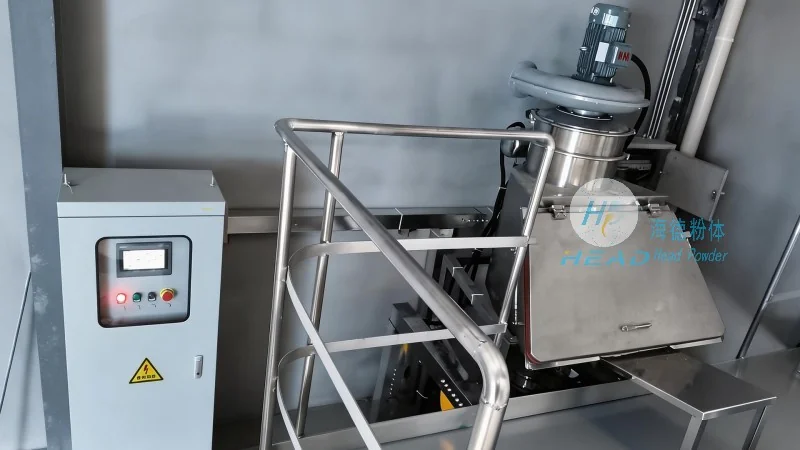
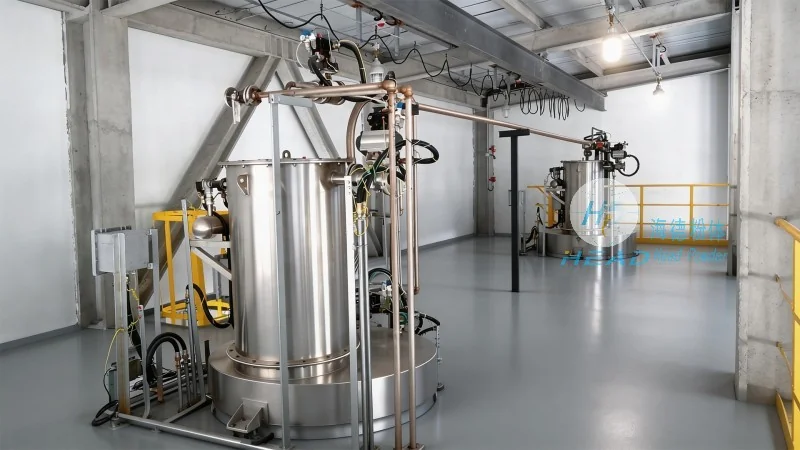
The working principle of a soap granule material handling system typically involves several integrated components that work in tandem to achieve efficient material transport. At the core, these systems rely on mechanical or pneumatic mechanisms to move soap granules through pipelines or conveyor systems. The process generally begins with the loading of soap granules into a hopper or storage container. From there, the material is fed into a conveyor or a series of rotating components, such as screws or belts, which propel the granules forward. Control systems, often equipped with sensors and variable speed drives, regulate the flow rate and speed of the material, ensuring consistent and controlled movement. This mechanism minimizes material degradation and prevents blockages, which are common issues in traditional manual handling methods. The entire system is designed to maintain a steady flow of soap granules, adapting to varying production demands while maintaining operational efficiency. For instance, in a typical soap manufacturing plant, the system may start with the granules being discharged from a silo into a feeding hopper. The hopper then uses a rotary valve to control the flow of granules into a screw conveyor. The screw conveyor, driven by an electric motor and variable frequency drive, moves the granules at a controlled speed to the next processing stage. Sensors placed along the conveyor can detect any blockages or variations in flow, triggering adjustments to maintain optimal performance. This automated process ensures that the soap granules are transported smoothly and without interruption, supporting continuous production lines.
Key Features of Soap Granule Material Handling Systems
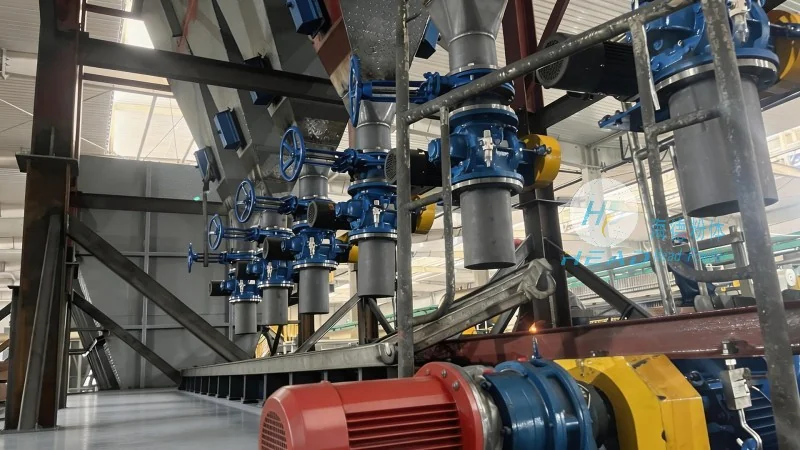
Soap granule material handling systems offer several distinct features that set them apart from conventional handling methods. One of the primary advantages is their high efficiency, which significantly reduces labor costs and processing time. By automating the material transport process, these systems enable continuous production without the need for manual intervention, thereby increasing overall throughput. Another notable feature is the enhanced product quality and consistency. The controlled movement of soap granules prevents breakage or contamination, ensuring that the final product meets strict quality standards. Additionally, these systems are designed for durability and reliability, with robust construction that can withstand the harsh conditions of industrial environments. Customization is another key feature, as manufacturers can tailor the system to specific production requirements, including different granule sizes, flow rates, and operational parameters. This flexibility allows businesses to adapt their material handling solutions to evolving production needs. For example, in a soap production facility, the system may be customized to handle granules of varying sizes, from fine powders to larger chunks. The adjustable screw pitch and speed of the conveyor can be modified to accommodate different granule characteristics, ensuring efficient transport. Furthermore, the integration of advanced monitoring and control technologies provides real-time data on system performance, enabling proactive maintenance and reducing downtime. These features collectively contribute to improved operational efficiency and cost-effectiveness in soap manufacturing processes. The reliability of these systems also minimizes the risk of product recalls due to handling-related issues, providing peace of mind to manufacturers.

About Shandong HeadPowder Engineering Co., Ltd.
Shandong HeadPowder Engineering Co., Ltd., operating under the brand name headpowder, is a leading manufacturer specializing in the design and production of advanced material handling systems. With a strong commitment to innovation and quality, the company has established itself as a trusted partner for industries requiring reliable and efficient soap granule handling solutions. HeadPowder's systems are engineered to meet the unique demands of soap manufacturing, offering customized solutions that enhance productivity and product quality. The company's headquarters is located in Shandong, China, where a team of experienced engineers and technicians develops cutting-edge technologies tailored to the needs of modern industrial applications. By combining expertise in mechanical engineering, automation, and material science, HeadPowder delivers systems that are not only efficient but also sustainable and cost-effective. The company's dedication to customer satisfaction and continuous improvement has earned it a reputation for excellence in the material handling industry. HeadPowder's product line includes a range of material handling equipment, from basic conveyor systems to complex automated solutions, all designed to optimize material flow in industrial settings. The company's focus on research and development ensures that its products incorporate the latest technological advancements, such as energy-efficient motors and smart control systems. This commitment to innovation helps clients stay ahead in a competitive market by improving operational efficiency and reducing operational costs. HeadPowder's customer-centric approach involves working closely with clients to understand their specific needs and provide tailored solutions that address their unique challenges. Whether it's a small-scale soap production plant or a large industrial facility, HeadPowder offers systems that are scalable and adaptable to different production volumes. The company's after-sales support and maintenance services further enhance the value of its products, ensuring long-term reliability and performance.