

Working Principle and Features of PP Pellet Material Handling Systems
PP (polypropylene) pellets are widely used in various industrial applications due to their versatility and ease of processing. Efficient handling and transportation of these pellets are crucial for maintaining production efficiency and quality. This article explores the working principle and key features of PP pellet material handling systems, providing insights into how they operate and their benefits in industrial settings. As a leading provider in the field, Shandong HeadPowder Engineering Co., Ltd. specializes in designing and manufacturing advanced material handling solutions tailored to the specific needs of industries dealing with polypropylene pellets.
The Working Principle of PP Pellet Material Handling Systems
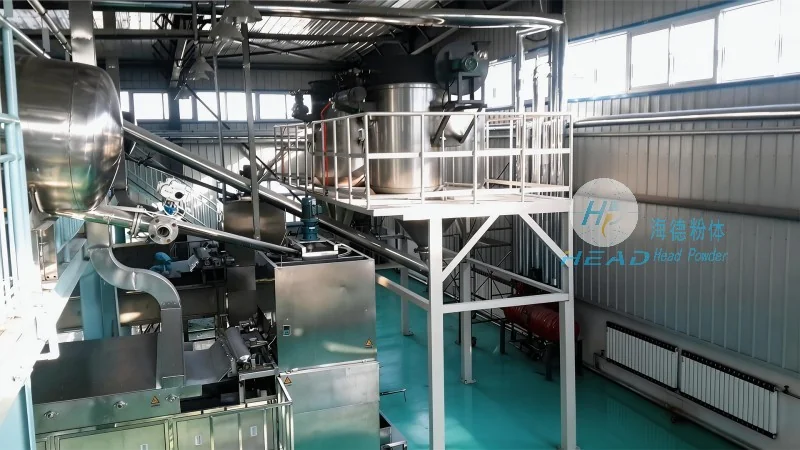
PP pellet material handling systems are designed to transport, store, and manage polypropylene pellets in a controlled manner. The core components typically include feeders, conveyors, storage hoppers, and control systems. The process begins with the pellets being fed into the system, often from a bulk container or storage bin. A feeder, such as a screw or vibratory feeder, regulates the flow of pellets to ensure a consistent and controlled rate. This regulated flow is then directed into a conveyor system, which may include belt conveyors, chain conveyors, or pneumatic conveyors, depending on the system design and application requirements. The conveyor transports the pellets to the desired location, such as a processing machine or storage area. Storage hoppers are used to temporarily hold the pellets, allowing for smooth operation during periods of high demand or when the processing equipment is offline. Control systems monitor and adjust the flow rates, ensuring optimal performance and preventing overloading or underflow. The entire system operates in a closed loop, with sensors and feedback mechanisms maintaining the balance between supply and demand.
Key Features of PP Pellet Material Handling Systems
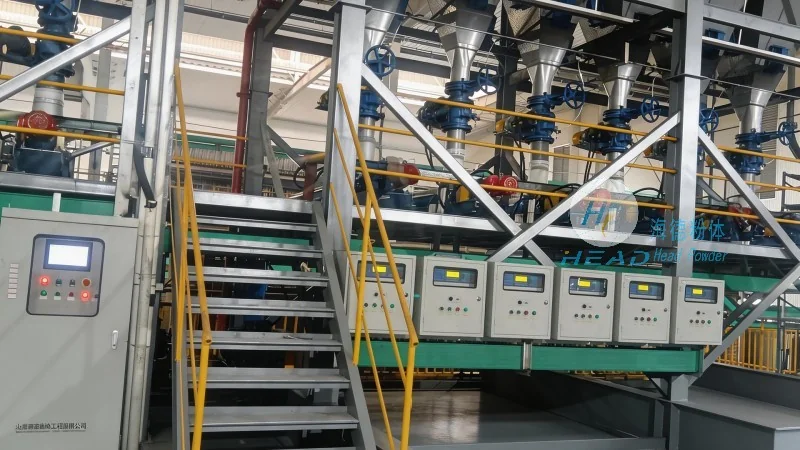
Effective PP pellet material handling systems offer several key features that enhance their performance and reliability. One of the primary features is the ability to handle a wide range of pellet sizes and shapes without causing blockages or damage. This is achieved through the use of flexible feeders and adjustable conveyor components that can accommodate different pellet characteristics. Another important feature is the system's ability to maintain a consistent flow rate, which is critical for downstream processing equipment that requires a steady supply of material. This consistency is achieved through advanced control algorithms and feedback sensors that adjust the feeder speed in real-time. Additionally, many modern systems incorporate dust control measures, such as sealed hoppers and enclosed conveyors, to minimize dust generation and improve workplace safety. The systems are also designed for easy maintenance and cleaning, with accessible components and quick-release mechanisms that allow for efficient upkeep. Furthermore, the integration of automation and digital controls enables remote monitoring and diagnostics, reducing downtime and improving overall operational efficiency.
Benefits of Using PP Pellet Material Handling Systems
Implementing a PP pellet material handling system offers numerous benefits for industrial operations. Firstly, it significantly improves production efficiency by ensuring a continuous and reliable supply of pellets to processing equipment. This reduces downtime caused by material shortages or uneven flow, leading to higher throughput and better productivity. Secondly, the consistent flow rate and controlled handling minimize the risk of product defects, as the pellets are handled gently and without excessive friction or impact. This results in higher quality end products and reduced waste. Thirdly, the dust control features enhance workplace safety by minimizing airborne particles, which is particularly important in environments where dust can be a health hazard. The systems also contribute to cost savings by optimizing material usage and reducing the need for manual handling, which can be labor-intensive and prone to errors. Additionally, the automation and digital controls provide better visibility into the system's performance, allowing for proactive maintenance and quick troubleshooting, further reducing operational costs and improving overall reliability.
Conclusion
In conclusion, PP pellet material handling systems are essential components in industrial settings where polypropylene pellets are processed. The working principle, which involves regulated feeding, conveyor transport, and storage, ensures efficient and reliable material handling. The key features, including adaptability, consistency, dust control, and ease of maintenance, make these systems highly effective for various applications. By improving production efficiency, maintaining product quality, and enhancing workplace safety, these systems provide significant benefits to manufacturers. For businesses looking to optimize their PP pellet handling processes, investing in a well-designed material handling system is a strategic decision that can lead to long-term operational advantages.