

Working Principle and Features of Catalyst Powder Material Handling Systems
Understanding the working principle and features of catalyst powder material handling systems is crucial for industries that rely on efficient and reliable transportation of catalyst powders. These systems are designed to handle the unique challenges associated with catalyst powders, such as their fine particle size, hygroscopic nature, and potential for dust explosion risks. The following sections will delve into the fundamental working principles and key features of these systems, providing a comprehensive overview for professionals in the field.
Working Principle of Catalyst Powder Material Handling Systems
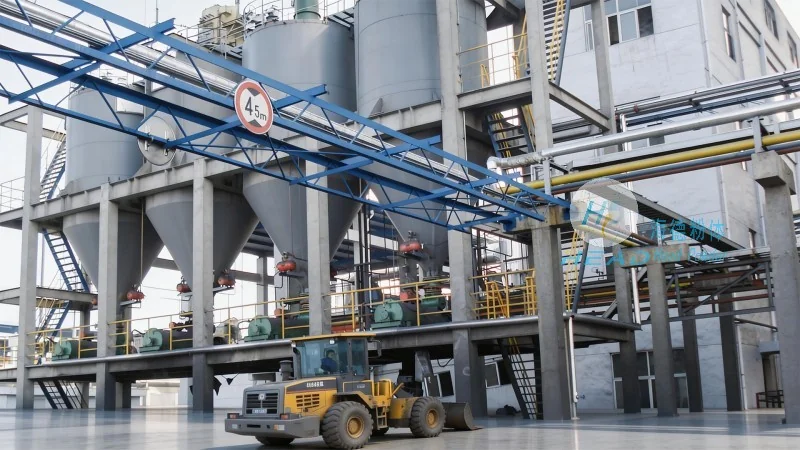
The core working principle of catalyst powder material handling systems revolves around the use of specialized equipment to transport catalyst powders from one location to another while maintaining their integrity and preventing contamination. The process typically begins with the storage of catalyst powders in bulk containers or silos. From there, the powders are transferred to a conveying system, which may include pneumatic conveying, screw conveyors, or belt conveyors, depending on the specific requirements of the application.
Pneumatic conveying systems, for instance, utilize air or other gases to move catalyst powders through a network of pipes. This method is particularly effective for handling fine powders and can be designed as either positive or negative pressure systems. Positive pressure systems blow air into the conveying line, while negative pressure systems create a vacuum to draw the powder. The choice between these systems depends on factors like the distance of transport, the volume of material, and the need to prevent dust emissions.
Screw conveyors, on the other hand, use rotating screws to move catalyst powders through a closed tube. This method is suitable for horizontal or slight incline transport and is often used in applications where the powder needs to be mixed or blended during transport. The screw design can be customized to handle different particle sizes and flow characteristics, ensuring efficient movement without causing excessive wear or degradation of the powder.
Belt conveyors are another option, especially for longer horizontal distances or when transporting larger quantities of catalyst powders. These systems use a continuous belt to move the material, and they can be equipped with additional features like vibrators or feeders to improve material flow and prevent blockages. The selection of the conveying method depends on the specific properties of the catalyst powder and the operational requirements of the facility.
Key Features of Catalyst Powder Material Handling Systems
Several key features distinguish effective catalyst powder material handling systems, ensuring they meet the stringent demands of industrial applications. These features are designed to enhance efficiency, safety, and product quality, making them indispensable in the production and processing of catalysts.
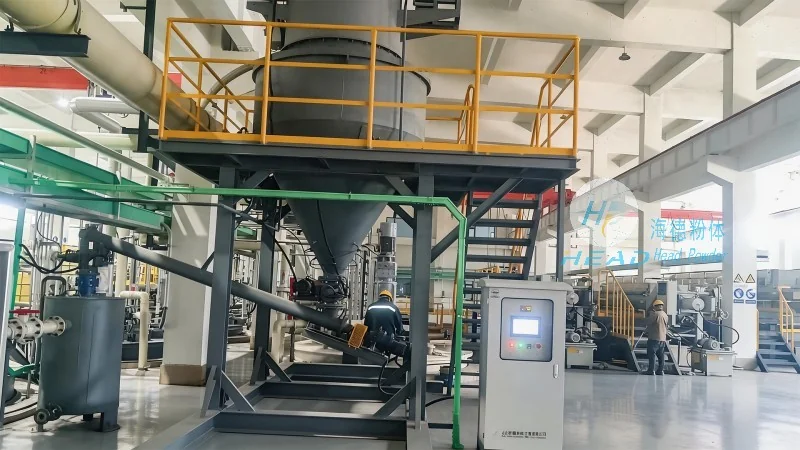
Firstly, dust control is a critical feature. Catalyst powders are often fine and can generate significant dust during handling, which poses health and safety risks. Advanced systems incorporate dust collection and filtration systems, such as cyclones or baghouses, to capture and remove airborne particles. This not only protects workers but also prevents contamination of the environment and other materials in the facility.
Secondly, material containment is essential to maintain the purity of catalyst powders. These systems are typically equipped with sealed containers and enclosed conveying lines to prevent cross-contamination and exposure to moisture or other contaminants. The use of stainless steel or other corrosion-resistant materials in the construction of the equipment further ensures that the catalyst powders remain free from degradation or contamination.
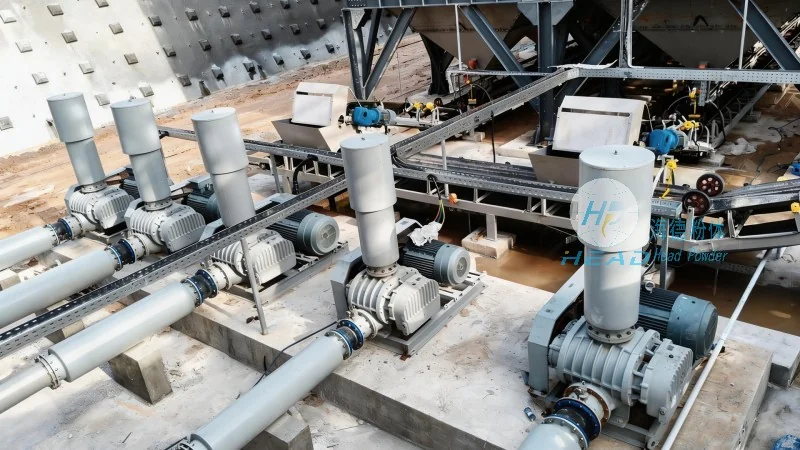
Thirdly, the systems are designed for high precision and minimal product loss. This is achieved through features like adjustable feed rates, variable speed drives, and precise control of the conveying process. By maintaining consistent flow rates and preventing overloading, the systems minimize the risk of material degradation, clogging, or spillage, which can lead to significant economic losses.
Fourthly, safety features are integrated into the design to mitigate risks associated with handling potentially hazardous materials. This includes explosion-proof components, emergency stop mechanisms, and monitoring systems that detect abnormal conditions like pressure buildup or temperature spikes. These safety measures are crucial for protecting personnel and equipment in the event of an incident.
Applications and Benefits in Industrial Settings
Catalyst powder material handling systems are widely used in various industrial sectors, including chemical manufacturing, petrochemical processing, and pharmaceutical production. In these industries, the efficient and safe transportation of catalyst powders is vital for maintaining production efficiency and product quality. The systems help streamline the production process by reducing downtime caused by material handling issues and minimizing the risk of accidents.
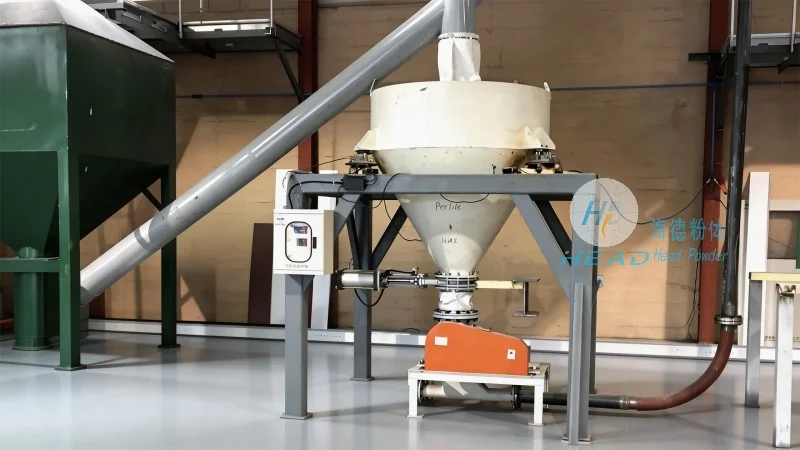
One of the primary benefits of these systems is improved operational efficiency. By automating the material handling process, industries can reduce labor costs and increase throughput. The precise control over the conveying process ensures that the right amount of catalyst powder is delivered to the next stage of production, optimizing the overall process and reducing waste.
Another significant benefit is enhanced safety and compliance. The advanced dust control and containment features help industries meet regulatory requirements and protect their workforce from the health hazards associated with handling fine powders. This not only reduces the risk of accidents but also improves the overall working environment, leading to higher employee satisfaction and productivity.
The systems also contribute to cost savings by minimizing material loss and reducing the need for frequent equipment maintenance. By preventing clogging and degradation of the catalyst powders, the systems extend the lifespan of the equipment and reduce downtime for repairs. This results in lower operational costs and higher return on investment for the companies using these systems.
Conclusion
In conclusion, catalyst powder material handling systems are sophisticated solutions designed to address the unique challenges of transporting catalyst powders. Their working principles, which may involve pneumatic conveying, screw conveyors, or belt systems, are tailored to the specific properties of the material and the operational needs of the facility. The key features, including dust control, material containment, precision, and safety, ensure that these systems provide reliable and efficient service in industrial settings. By leveraging these systems, industries can enhance their production processes, improve safety, and achieve cost savings, making them an essential component of modern catalyst manufacturing and processing operations.