

Working Principle and Characteristics of Pneumatic Conveying for Chromium(III) Oxide Materials
Chromium(III) oxide, also known as chromium sesquioxide, is a common inorganic compound widely used in various industrial applications such as pigments, catalysts, and coatings. The efficient and safe transportation of this material is crucial for industrial processes, and pneumatic conveying systems have emerged as a preferred method for handling such powders. This article explores the working principle and key characteristics of pneumatic conveying for chromium(III) oxide materials, providing insights into the technology's application and benefits.

Introduction to Pneumatic Conveying Systems
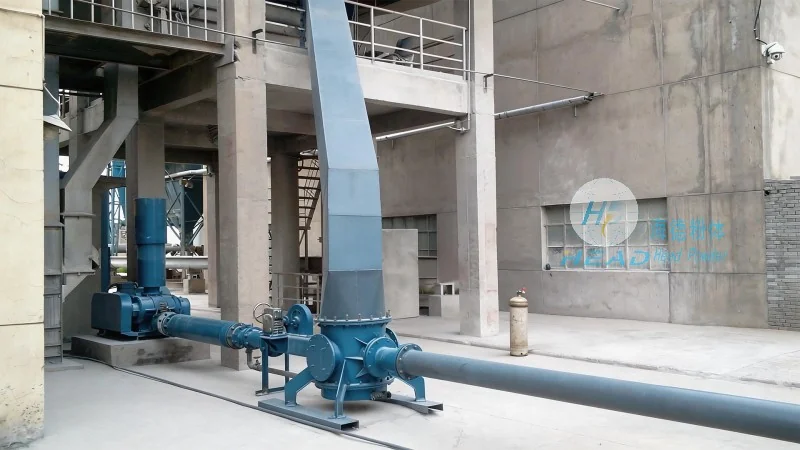
Pneumatic conveying, or air conveying, is a method of transporting bulk materials through a pipeline using a stream of air or gas. This technology is particularly suitable for handling fine powders like chromium(III) oxide due to its ability to minimize material degradation, reduce dust emissions, and maintain a controlled environment. The system typically consists of several key components, including a material feed hopper, a conveying line, a fan or blower to generate airflow, and a separation unit to collect the material at the destination.
Working Principle of Pneumatic Conveying for Chromium(III) Oxide
The operation of a pneumatic conveying system for chromium(III) oxide involves several stages. Initially, the material is fed from a hopper into the conveying line. A fan or blower then generates a high-velocity air stream that pulls the powder particles into the pipeline. The mixture of air and powder travels through the pipeline to the receiving hopper or storage tank. At the destination, a separator, such as a cyclone or bag filter, separates the material from the air stream, allowing the powder to be collected while the air is either recirculated or discharged. The entire process is driven by the pressure and velocity of the air flow, which must be carefully controlled to ensure efficient transport without causing material degradation or excessive energy consumption.
Key Characteristics and Advantages
Several notable characteristics define the performance of pneumatic conveying systems for chromium(III) oxide materials. First, the system offers high efficiency in material transport, often achieving long-distance conveying with minimal loss. Second, it provides excellent dust control, as the material is contained within the pipeline, reducing the risk of airborne contamination and improving workplace safety. Third, the technology is relatively compact and can be integrated into existing industrial setups, making it a flexible solution for various production environments. Additionally, pneumatic conveying minimizes material handling time and labor costs compared to traditional methods like bucket elevators or belt conveyors.
Technical Considerations for Optimal Performance
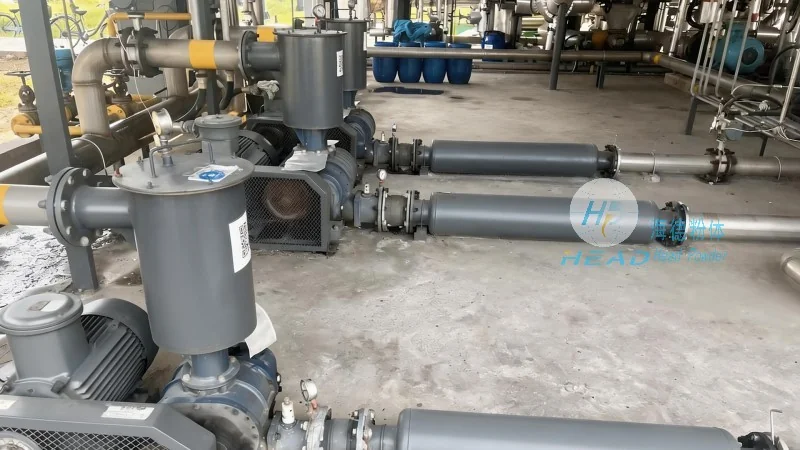
For optimal performance in pneumatic conveying of chromium(III) oxide, several technical factors must be considered. The particle size and density of the material significantly impact the system's efficiency; finer particles may require higher air velocities to maintain suspension. The system's design, including pipeline diameter, length, and bends, must be optimized to minimize pressure drop and energy consumption. Moreover, the choice of fan or blower type (positive displacement or centrifugal) affects the system's capacity and pressure capabilities. Regular maintenance of components, such as filters and seals, is also essential to prevent material buildup and ensure consistent operation.
Application Examples and Industry Impact
Pneumatic conveying of chromium(III) oxide is widely used in industries where the material is processed or transferred between production stages. For instance, in pigment manufacturing, the system efficiently transports the oxide from storage to mixing and coating equipment. In catalyst production, it ensures precise dosing of the material into reactors. The technology's ability to handle fine powders without agglomeration or degradation makes it invaluable in applications requiring high purity and consistency. By improving material handling efficiency and safety, pneumatic conveying contributes to enhanced productivity and reduced operational costs in industrial settings.
Conclusion
In summary, pneumatic conveying systems offer a reliable and efficient method for transporting chromium(III) oxide materials. The working principle, which relies on air flow to move the powder through a pipeline, combined with key characteristics such as high efficiency, dust control, and flexibility, makes it a preferred choice for industrial applications. With proper design and maintenance, these systems can deliver consistent performance, supporting the smooth operation of processes that rely on chromium(III) oxide. As a leading provider in this field, Shandong HeadPowder Engineering Co., Ltd. specializes in developing tailored pneumatic conveying solutions to meet the specific needs of clients, ensuring optimal material handling and process efficiency.